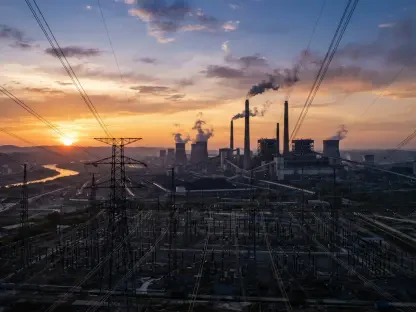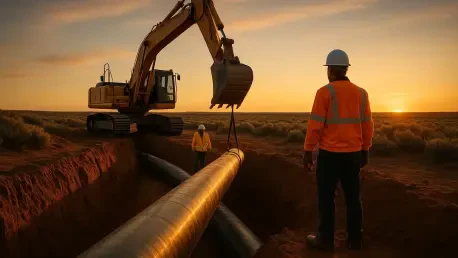

Public health advocates are focusing on how the removal of coal-fired boilers will alter the local air quality profile in the regions surrounding the town of Green River. This environmental transition is a central component of the Green River West Expansion Project, which recently entered its federal scoping phase under the guidance of the Federal Energy Regulatory Commission. Managed by MountainWest Overthrust Pipeline, the proposal intends to overhaul the energy supply for the Westvaco facility, a major trona processing plant in Sweetwater County. By transitioning from coal to natural gas, the project aligns with modern industrial standards that prioritize lower emissions and operational efficiency. The opening of the scoping period until October 1 represents a critical opportunity for the public to influence the environmental review process. This phase ensures that the federal government considers local concerns regarding air quality, water resources, and wildlife before any construction begins on this vital infrastructure.
Engineering Standards and Environmental Footprint
Infrastructure Design: Reliability and Redundancy
The engineering specifications for the project emphasize a robust design that prioritizes system reliability through the installation of two 12-inch delivery taps. These taps will be situated on the existing MountainWest Overthrust Mainline 116 and Mainline 133, creating a redundant connection that ensures the Westvaco Plant has a continuous supply of natural gas. Such redundancy is vital for industrial facilities where even a minor interruption in energy can lead to significant production delays and safety concerns. By utilizing two separate mainline connections, the project provides the facility with the flexibility to manage varying loads and maintain steady operations during periods of routine maintenance on the primary grid. This mechanical configuration reflects a sophisticated approach to energy delivery, ensuring that the heavy industrial processes of trona refining are supported by a resilient and modern infrastructure that meets the specific demands of the Wyoming energy market.
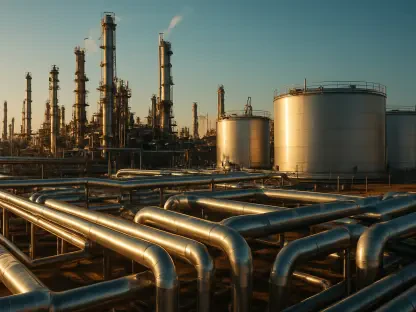
Complementing the delivery taps is the construction of a new 6.78-mile jurisdictional pipeline, designated as JTL150, which is capable of transporting up to 64,000 dekatherms of natural gas per day. This high-capacity lateral is designed to meet the peak energy requirements of the plant’s calcining units, which are the most energy-intensive parts of the soda ash production process. Additionally, the project includes the development of a metering and regulating station that will be located entirely within the existing plant footprint. This station is equipped with advanced monitoring technology to track flow rates and pressure levels, ensuring that the natural gas is delivered at the precise specifications required by the facility’s new boilers. By integrating these systems into the current industrial landscape, the developer seeks to maximize efficiency while minimizing the need for new surface infrastructure outside of the immediate pipeline corridor, streamlining the plant’s overall energy transition.
Ecological Stewardship: Land Disturbance and Restoration
Managing the land impact of the expansion is a primary focus of the environmental review, as construction is expected to involve approximately 114 acres of total surface disturbance. This temporary footprint is necessary for the safe installation of the pipeline, providing enough space for trenching, welding, and the movement of heavy machinery. In the arid and sensitive high-desert environment of Sweetwater County, such activities require careful soil management to prevent long-term degradation. Federal regulators require a comprehensive plan for soil segregation, where topsoil is removed and stored separately to be replaced once the construction is finished. This practice is essential for preserving the biological potential of the soil, which supports the native vegetation that local wildlife depends on for survival. By adhering to these strict construction protocols, the project aims to mitigate the immediate physical impact on the landscape while preparing the site for successful reclamation.
Once the pipeline is buried and operational, the permanent footprint of the project will be reduced to roughly 44 acres, allowing approximately 70 acres of previously disturbed land to undergo full restoration. This reclamation process is a long-term commitment that involves reseeding the area with native plant species and monitoring the site for several years to ensure that the ecosystem returns to a functional state. Successful restoration is vital for maintaining the continuity of wildlife habitats and preventing the spread of noxious weeds that often colonize disturbed ground. The transition from a large-scale construction zone to a modest operational corridor demonstrates a strategy of minimizing long-term ecological impact. Environmental experts emphasize that the success of this effort depends on the timing of the seeding and the use of site-specific plant varieties that are adapted to Wyoming’s harsh climate, ensuring that the reclaimed land can eventually support the same level of biodiversity as before.
Regulatory Framework and Regional Implications
Federal Oversight: Navigating the Scoping Process
The federal scoping phase is the cornerstone of the regulatory process, serving as the primary mechanism for identifying the environmental and social issues that require in-depth analysis. During this period, the Commission invites public agencies, tribal nations, and local residents to submit formal comments that shape the scope of the upcoming environmental report. This is not merely a formality but a legal requirement that ensures transparency and accountability in the decision-making process. For community members, this window represents the most effective time to voice concerns about specific local resources, such as groundwater wells, ranching operations, or sensitive wildlife corridors. By providing detailed and geographically specific feedback, stakeholders can compel the Commission to investigate nuances that might be missed in a broader study. This collaborative approach allows for a more balanced evaluation of the project, ensuring that the final decision is informed by the people most affected.
A significant part of the scoping review involves the protection of sensitive biological and cultural resources, including the Greater Sage-Grouse and its critical breeding leks. The Commission must evaluate how construction noise and activity might disrupt these birds during their nesting season, potentially leading to specific timing restrictions on work. Furthermore, the review includes consultation with the State Historic Preservation Office and tribal nations to identify and protect archaeological sites or ancestral lands that could be impacted by the pipeline route. This multi-layered assessment ensures that the project complies with federal laws like the National Historic Preservation Act and the Endangered Species Act. If potential impacts are identified, the developer may be required to implement mitigation measures, such as rerouting sections of the pipeline or using specialized construction techniques. This rigorous vetting process is designed to balance the need for energy infrastructure with the preservation of heritage.
Strategic Outlook: Property Rights and Market Evolution
Under the Natural Gas Act, the project’s legal standing is solidified by the power of eminent domain, which is granted to developers who receive a federal certificate of public convenience and necessity. While this authority allows for the acquisition of land for the project, it also requires a complex legal process if voluntary easements cannot be reached between the company and landowners. Affected parties are encouraged to seek intervenor status, a formal designation that provides them with legal standing to challenge the project’s necessity or the adequacy of the environmental review. This status is a powerful tool for residents who wish to have a direct voice in the proceedings and the right to appeal decisions in federal court. Beyond the legalities, the project is framed by broader economic trends, including WE Soda’s $1.4 billion investment in the Westvaco facility. This modernization is intended to secure the plant’s role as a global leader in soda ash production.
The transition toward a natural gas-based energy model at the Westvaco facility highlighted the complex intersection of global market demands and local environmental priorities. As the scoping period concluded, the focus shifted toward the long-term sustainability of the regional economy and the protection of private property rights. Stakeholders recognized that proactive participation in the federal process remained the most effective way to ensure that industrial expansion did not come at the cost of community well-being. Looking forward, the integration of modern energy systems offered a potential blueprint for other heavy industries in the Green River Basin to modernize their operations while reducing their carbon footprints. The regulatory framework proved to be an essential venue for balancing these competing interests, as the decision-making process moved into the detailed analysis of the environmental report. Ultimately, the successful management of this project depended on a continued commitment to transparent data and the inclusion of local voices.