
The reactivation of the massive Kashiwazaki-Kariwa facility marks the end of a long and expensive era of fossil fuel reliance that redefined Japan’s economic strategy following the events of 2011. This monumental shift signals a departure from the precautionary total shutdown of the nation’s nuclear fleet, which once provided nearly a third of the country’s electricity. For years, Japan operated as one of the most vulnerable energy markets in the developed world, forced to compensate for the sudden loss of nuclear power by becoming the premier global importer of liquefied natural gas. The return of the world’s largest nuclear station is not merely a technical accomplishment; it is the cornerstone of a broader industrial recovery aimed at stabilizing a grid that has been pushed to its limits by the high costs of imported hydrocarbons.
A Strategic Pivot in the Japanese Energy Landscape
The trajectory of Japanese energy policy over the last decade has been defined by a precarious balancing act between public safety concerns and the harsh realities of resource scarcity. After the Fukushima disaster, the systematic deactivation of 54 reactors created a massive void in the national energy mix, leading to a decade-long dependence on coal and natural gas. This reliance introduced significant fiscal strain as the government and utility providers scrambled to secure enough fuel to keep the lights on in Tokyo and other major industrial hubs. The current strategy represents a calculated return to nuclear power as a primary baseload source, recognizing that a modern economy cannot sustain its manufacturing prowess solely on volatile fossil fuel imports.
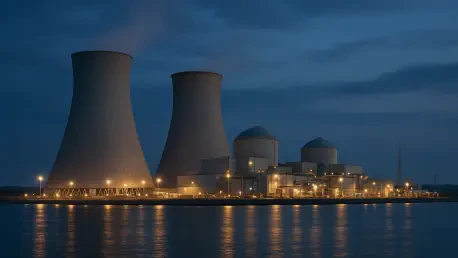
The Kashiwazaki-Kariwa station, located in the Niigata Prefecture, stands as a symbol of this national recovery. As the world’s largest nuclear facility by capacity, its idle status was a constant reminder of the inefficiencies in the post-disaster energy model. Reintegrating this massive asset into the national grid is essential for reducing the carbon intensity of the Japanese economy while providing the cheap, reliable power necessary for the semiconductor and automotive sectors to remain globally competitive. The transition back to nuclear power is also a response to the shifting global energy context, where reliance on liquefied natural gas has become increasingly risky due to supply chain disruptions and geopolitical conflicts.
Tokyo Electric Power Company, better known as TEPCO, has operated under intense scrutiny throughout this reactivation process. The utility has been forced to navigate the most rigorous regulatory environment in the history of the nuclear industry, implementing safety standards that go far beyond international benchmarks. These protocols were not just about mechanical upgrades; they were about rebuilding the institutional trust that was shattered years ago. By demonstrating that it can safely manage a facility of this magnitude, TEPCO is attempting to prove that the lessons learned from the past have been fully integrated into the operational DNA of the company.
Market Dynamics and the Drive for Energy Sovereignty
Emerging Trends: Resource Displacement and Pricing
The push for energy sovereignty is driven by a desire to mitigate the geopolitical volatility that has plagued the energy markets recently. Japan has historically been at the mercy of events in the Middle East and Eastern Europe, where disruptions like the closure of shipping lanes can cause immediate and painful price spikes for natural gas. By restarting massive domestic reactors, the Japanese economy gains a significant shield against these external shocks. Nuclear energy provides a predictable cost structure that fossil fuels simply cannot match, allowing for more stable long-term planning for both the government and private industry.
The economic impact of displacing liquefied natural gas cannot be overstated, as the reactivation of a single major reactor like Unit 6 can replace approximately 1.3 million tons of natural gas imports annually. This displacement translates into billions of dollars in savings on the national trade balance, funds that can be redirected toward infrastructure and technological innovation. The government has set a clear objective to reach a 20 percent nuclear energy share by 2040, a goal that requires the steady reactivation of the remaining dormant fleet. This shift is not just about cost; it is about ensuring that the Japanese energy market is no longer a hostage to global spot-market pricing for gas.
Growth Projections: Grid Performance Indicators
Operational output statistics for the newly reactivated Unit 6 are impressive, with its 1,356-megawatt capacity capable of providing a significant portion of the electricity required by the Tokyo metropolitan area. This output is critical for maintaining grid stability during peak summer and winter months when demand often threatens to exceed supply. The successful performance of this unit serves as a leading indicator for the health of the broader Japanese grid, proving that older assets can be modernized to meet contemporary performance standards. This success has also allowed market analysts to refine their forecasts for energy prices, with many predicting a gradual downward trend as more nuclear capacity comes online.
The reactivation pipeline for other dormant reactors is now being assessed with renewed optimism, as the technical success at Kashiwazaki-Kariwa provides a blueprint for other utilities. As the timeline for these reactivations accelerates, the projected impact on market prices becomes even more pronounced. For the manufacturing sector, this trend is a vital lifeline. Stable, low-cost baseload power is the foundation of industrial competitiveness, and the return to nuclear power is seen as a way to prevent the hollowing out of Japan’s industrial base to countries with lower energy costs.
Navigating Technical Hurdles and Grid Integration Dilemmas
Reviving assets that have remained dormant for over a decade is a technical challenge of immense complexity. TEPCO engineers encountered a variety of issues during the restart of Unit 6, ranging from mechanical failures in the control rod systems to electrical leaks in the generating equipment. These setbacks served as a reminder that a nuclear plant is not a machine that can simply be switched back on after years of inactivity. The aging of components while stationary presents unique maintenance hurdles that require specialized expertise and a cautious, step-by-step approach to testing and synchronization.
Furthermore, the integration of steady nuclear power into a grid that has increasingly relied on variable renewable energy has created a solar curtailment paradox. Because nuclear reactors are generally inflexible and designed to run at a constant output, they can clash with the surges of power produced by solar farms on sunny days. When the grid is flooded with electricity and there is no room to store the surplus, utility operators are often forced to shut down renewable sources to prevent the grid from overloading. This phenomenon highlights a significant infrastructural limitation: the lack of large-scale energy storage and robust interregional transmission lines.
To address these dilemmas, Japan must find a way to balance its nuclear legacy with its green energy ambitions. The current inability to move power efficiently between different regions of the country means that surplus energy in one area often goes to waste while another region faces a shortage. Solving this will require massive investment in the physical grid, including advanced battery storage systems and high-voltage direct current lines. Without these improvements, the benefit of having the world’s largest nuclear plant could be partially offset by the inefficiency of wasting the renewable energy that Japan has worked so hard to deploy.
The Regulatory Framework and Safety Compliance Standards
The post-2011 regulatory environment in Japan is among the most stringent in the world, characterized by an independent oversight body that has the power to delay or halt operations at the slightest sign of non-compliance. These enhanced safety protocols were the primary reason why the commercial operation of Unit 6 was delayed for so long. Every component, from the thickness of the containment walls to the reliability of backup cooling systems, underwent exhaustive testing. This rigorous oversight is essential for maintaining the integrity of the nuclear program, ensuring that economic pressure never overrides the commitment to public safety.
Public trust remains a volatile factor in the reactivation process, with local prefectures and community leaders holding significant influence over the fate of nuclear stations. Consent from the local governor and the surrounding municipalities is often as important as the technical certification from federal regulators. TEPCO and the national government have had to engage in extensive transparency campaigns, hosting community forums and providing detailed reports on safety measures to win over a skeptical public. This decentralized power structure ensures that the concerns of those living closest to the facilities are taken into account, though it also adds layers of political complexity to the energy transition.
In addition to traditional safety concerns, modern nuclear infrastructure must now be protected against a new generation of threats, specifically in the realm of cybersecurity. The digital systems that control the plant’s operations are potential targets for state-sponsored actors and cybercriminals, necessitating a robust and ever-evolving defense strategy. Physical protection has also been upgraded, with enhanced surveillance and rapid-response teams designed to protect against unconventional attacks. These security measures are now a permanent and costly part of the operational budget, reflecting the reality of managing critical infrastructure in an increasingly digitized and hostile global environment.
Future Outlook: Sustainability, Waste, and Innovation
One of the most persistent challenges facing the Kashiwazaki-Kariwa site is the management of spent nuclear fuel, a problem often referred to as the full-pool crisis. The cooling pools where used fuel is stored are reaching their maximum capacity, and without a clear path toward permanent disposal, the long-term operation of the plant remains in question. While there are plans to move fuel to dry cask storage or to a centralized interim facility, the search for a permanent underground repository in Japan has been met with significant local opposition. This issue remains the primary obstacle to the sustainability of the nuclear sector, requiring a political solution that has eluded successive governments.
Technological disruptors could provide a way forward, with Small Modular Reactors and advanced battery storage offering the potential for a more flexible and resilient grid. SMRs are designed to be more adaptable than the massive reactors of the past, allowing them to complement the variable nature of wind and solar power more effectively. At the same time, the development of domestic battery manufacturing could mitigate the need for curtailing renewable energy, allowing the surplus generated during the day to be used at night. These innovations represent the next phase of Japan’s energy evolution, moving away from a rigid baseload model toward a more dynamic and integrated system.
Consumer sentiment is also evolving, driven by the dual pressures of rising energy surcharges and growing environmental awareness. While there was once widespread opposition to any form of nuclear power, the high cost of electricity has forced many households to reconsider the nuclear-renewable mix. Most people now recognize that achieving carbon neutrality without a nuclear component is likely impossible given Japan’s geography and high industrial demand. This pragmatic shift in public opinion is providing the political cover necessary for the government to move forward with its long-term energy goals, provided that safety and waste issues are addressed with total transparency.
Balancing Economic Stability with Modern Energy Goals
The strategic decision to bring Unit 6 back online served as a definitive turning point for Japan’s energy security. By successfully reintegrating the world’s largest nuclear asset, the government effectively lowered the nation’s reliance on expensive, imported liquefied natural gas. This move provided an immediate boost to the national trade balance and offered a much-needed buffer against the geopolitical instability that characterized the energy markets. The technical success of the restart also demonstrated that the rigorous safety protocols established in the previous decade were capable of managing the risks associated with large-scale fission.
Policy makers recognized that the return to nuclear power was only one part of a much larger equation. The experience with solar curtailment clarified that the grid required urgent investment in flexibility to prevent the rejection of clean, renewable energy. The industry realized that the old model of inflexible baseload power needed to be updated with better storage solutions and more robust interregional transmission lines. These steps were identified as essential for ensuring that the economic benefits of the nuclear restart did not come at the expense of Japan’s long-term environmental commitments.
Ultimately, the reactivation of Kashiwazaki-Kariwa reflected a broader national consensus on the necessity of a diversified energy portfolio. While the challenges of waste disposal and public trust remained unresolved, the immediate need for economic stability and carbon reduction drove the agenda forward. The project confirmed that Japan’s industrial future depended on its ability to integrate its nuclear legacy with modern, sustainable technologies. By taking this path, the nation took a significant step toward a more secure and predictable energy future, albeit one that required constant vigilance and ongoing innovation.