
The United Mine Workers of America members at the Kemmerer site face an uncertain future as the mine’s largest customer shifts to cleaner energy. This shift represents a seismic change for a region that has long defined its economic identity through the extraction of fossil fuels. As the Kemmerer
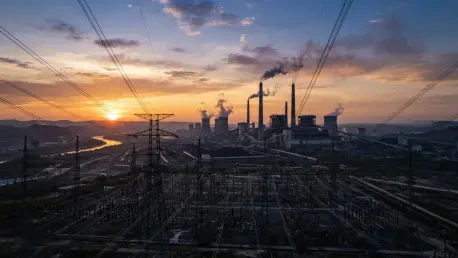
The tactical repurposing of a Korean War-era emergency statute has fundamentally reshaped the U.S. industrial landscape by turning military defense tools into aggressive financial vehicles for traditional energy expansion. By leveraging the Defense Production Act, the administration has moved

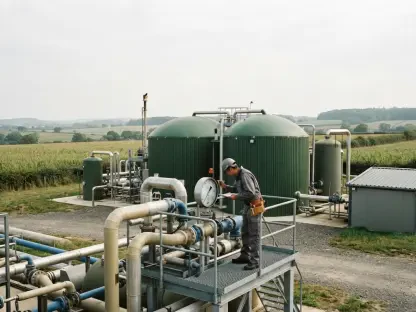
The success of the biomethane transition depends on aligning agricultural subsidies with renewable energy goals to ensure long-term market certainty. As of early 2026, European nations are accelerating their efforts to redefine the relationship between the energy sector and the agricultural

The failure to reach a compromise on the Supplemental Nutrition Assistance Program continues to stall the 2026 Farm Bill, leaving long-term agricultural subsidies in limbo. This legislative gridlock has forced the executive branch to bypass traditional congressional pathways, utilizing direct

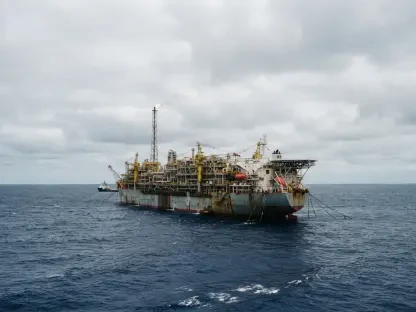
The tension between national energy policy and the urgent necessity to address the global climate crisis has reached a boiling point following the greenlighting of the Jackdaw site. This specific offshore development, situated in the North Sea, has emerged as a symbol of the widening chasm between

Critics from the Union of Concerned Scientists claim that the approval process failed to properly evaluate more sustainable and cost-effective energy alternatives. As Wisconsin navigates a period of unprecedented industrial growth in 2026, the state’s Public Service Commission has unanimously