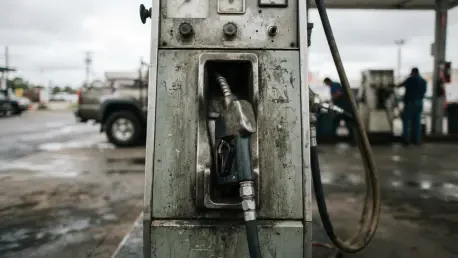

Drivers pulling into gas stations across Kerala are suddenly looking at the pump nozzle with a newfound sense of skepticism as state authorities launch a massive crackdown on suspected fuel adulteration that may be damaging engines. This intensive quality check addresses rising complaints that gasoline is being blended with ethanol far beyond the legal limits set by federal regulations.
The urgency of these inspections stems from the potential mechanical and financial risks posed to millions of vehicle owners. If the allegations of excessive blending are accurate, the state faces a significant challenge in regulating energy markets while attempting to meet national green energy goals.
Fuel Quality Scrutiny Hits Kerala Gas Stations
The Kerala Civil Supplies Department initiated a comprehensive inspection of gas stations following growing public anxiety over the chemical composition of E20 fuel. Minister Anoop Jacob authorized rigorous checks to ensure that ethanol levels in gasoline remain within the legally permitted limits.
Inspectors focused their efforts on major urban hubs, including Thiruvananthapuram, Ernakulam, Kozhikode, and Kannur. This widespread operation verified that retail outlets were not inadvertently or intentionally selling fuel that deviates from national standards, protecting the interests of the motoring public.
The Regional Momentum Behind Fuel Monitoring Efforts
The impetus for this sudden vigilance originated from alarming reports in neighboring Karnataka, where state officials identified ethanol concentrations as high as 31%. Such levels significantly exceed the E20 mandate, raising immediate red flags regarding the long-term health of internal combustion engines.
High ethanol blends can be corrosive to components in older vehicles, potentially leading to expensive mechanical failures and reduced fuel efficiency. The issue gained further traction when national political leaders demanded greater accountability from oil marketing companies, questioning the oversight mechanisms currently in place.
State Action and the Laboratory Testing Process
To provide definitive answers, the department began a systematic collection of fuel samples from various distribution points across the state. These samples were carefully documented and transported to specialized analytical chemical laboratories in Kakinada and other facilities accredited by the NABL.
The primary objective of these laboratory tests is to measure the precise percentage of ethanol in the fuel supply. By using independent, high-precision equipment, the state hopes to identify any discrepancies between the advertised E20 grade and the actual product being dispensed into vehicle tanks.
Federal Rebuttals and Industry Quality Control Standards
In response to the state-led investigations, the Ministry of Petroleum and Natural Gas, along with major public sector oil companies, defended the integrity of their supply chains. Organizations like Indian Oil and Bharat Petroleum asserted that ethanol blending is a highly automated process managed with modern digital controls.
Federal data suggested that nearly 900 samples tested across the country from 2026 to 2028 maintained a consistent range between 19% and 21%. Industry representatives argued that the testing methods used by state officials were flawed, leading to inaccurate readings that did not reflect the actual quality of the fuel.
Moving Toward Standardized Fuel Verification Protocols
To resolve these conflicting findings, stakeholders emphasized the need for a unified testing framework that allowed for transparent, third-party verification. Establishing a joint sampling protocol between state regulators and federal oil companies was identified as a critical step toward restoring consumer confidence in the fuel infrastructure.
Legislators also considered implementing real-time monitoring systems at retail outlets to provide immediate alerts if blending levels fluctuated. The transition to a more reliable verification system aimed to bridge the gap between policy mandates and local execution, ensuring that every liter of fuel met the required technical specifications.