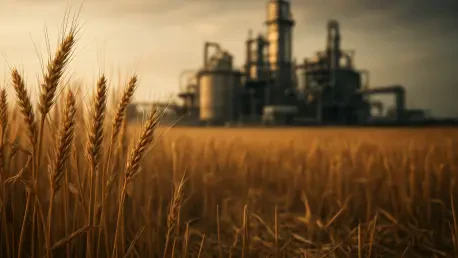

The success of the biomethane transition depends on aligning agricultural subsidies with renewable energy goals to ensure long-term market certainty. As of early 2026, European nations are accelerating their efforts to redefine the relationship between the energy sector and the agricultural heartlands. This shift is prompted by a critical need to bolster energy sovereignty while simultaneously meeting stringent decarbonization milestones. Agricultural waste, once viewed merely as a disposal challenge for farmers, has emerged as a high-value strategic asset. By processing livestock manure, crop residues, and other by-products, the continent seeks to produce biomethane—a renewable gas indistinguishable from conventional natural gas. This transition requires more than just technical innovation; it demands a fundamental restructuring of rural economies and supply chains. The promise of biomethane lies in its versatility, as it provides a drop-in solution for heavy industry, residential heating, and high-performance transportation without necessitating an immediate overhaul of existing pipeline infrastructure.
Feedstock Classification and Sustainable Potential
Strategic Management of Livestock Manure
Livestock manure stands as the primary pillar of the European biomethane strategy because it represents a consistent, unavoidable output of the dairy and meat industries. When this organic matter is processed through anaerobic digestion, it prevents the uncontrolled release of methane, a potent greenhouse gas, into the atmosphere. In traditional agricultural settings, open lagoons or storage pits are significant sources of fugitive emissions; however, capturing these gases in sealed digesters turns an environmental liability into a reliable energy stream. Despite this clear benefit, the high water content of manure introduces a logistical hurdle known as the transportation paradox. Because the material is heavy and has relatively low energy density per ton, hauling it over long distances becomes economically and environmentally counterproductive. This reality dictates a decentralized approach where small-scale digesters are located directly on farms or within localized clusters, allowing for efficient processing before the resulting gas is moved to centralized upgrading facilities.
Industrial Potential of Crop Residues
Beyond livestock, the material left in fields following the harvest of primary food crops—such as wheat straw, corn stalks, and husks—offers a massive and largely untapped energy reservoir. Utilizing these residues sidesteps the ethically complex food vs. fuel debate because the land is already being used for food production, and the energy content is derived from by-products that would otherwise decay. These carbon-rich materials are chemically complex, often requiring advanced hydrothermal or chemical pretreatment to break down lignocellulosic structures before they can be effectively utilized by microorganisms in a digester. A significant challenge for the industry from 2026 to 2028 involves establishing precise sustainable removal rates. Removing too much residue from the fields can deplete soil organic matter, leading to erosion and reduced biodiversity. Consequently, agronomic experts are working to develop region-specific guidelines that balance the immediate demand for energy feedstocks with the long-term necessity of maintaining healthy, productive farmland.
Role of Sequential and Cover Crops
The integration of cover and sequential crops into traditional rotations offers a third stream of feedstock that protects the soil during winter months while providing additional biomass. These crops are planted between primary harvest cycles, serving to fix nitrogen in the soil and prevent nutrient leaching into groundwater. When harvested for biomethane production, they provide a significant boost to a facility’s total methane output without requiring the conversion of new land to agricultural use. However, the use of these crops must be strictly regulated to ensure that their cultivation does not increase water demand or negatively impact the local ecosystem’s biodiversity. In regions with water scarcity, the benefits of energy production must be weighed against the potential strain on local resources. As the industry matures, the focus is shifting toward “catch crops” that can thrive in local climates with minimal intervention, ensuring that the energy transition supports, rather than stresses, the underlying environmental framework of the rural landscape.
Preserving Soil Integrity and Productivity
A central concern for environmental scientists is ensuring that the drive for biomethane does not lead to the long-term degradation of European soil health. Soil organic matter is essential for water retention, nutrient cycling, and the overall resilience of the agricultural system. If residues are extracted aggressively to meet energy targets, there is a risk that the soil will lose its carbon-sequestration capacity, necessitating a higher reliance on synthetic fertilizers and irrigation. To mitigate this, many producers are now adopting sophisticated monitoring systems that use satellite data and soil sensors to determine the optimal amount of biomass that can be safely removed. This data-driven approach allows for a “precision bioenergy” model where feedstock collection is tailored to the specific needs of each field. By maintaining this delicate balance, the biomethane industry can ensure that it contributes to a circular economy where the production of renewable energy actually enhances the sustainability of the food production system rather than competing with it for vital resources.
Technical Pathways and Grid Integration
Anaerobic Digestion and Biogas Production
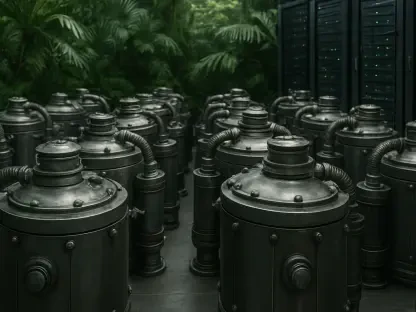
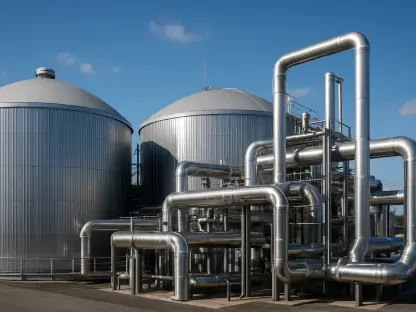
The primary technical pathway for converting agricultural waste into usable energy is anaerobic digestion, a biological process where microorganisms break down organic matter in an oxygen-free environment. This occurs in large, sealed vessels called digesters, where temperature and pH levels are carefully controlled to maximize microbial activity. The initial output of this process is biogas, a mixture of roughly sixty percent methane and forty percent carbon dioxide, along with small amounts of water vapor and hydrogen sulfide. While biogas can be burned on-site to produce heat and electricity, its utility is limited by its lower energy density compared to natural gas. To unlock the full potential of this resource, the biogas must be refined into biomethane. This transformation is critical for energy security, as it allows the resulting fuel to be injected into the existing natural gas grid, where it can be stored and transported across the continent to meet demand in urban centers and industrial hubs.
Advanced Upgrading for Grid Injection
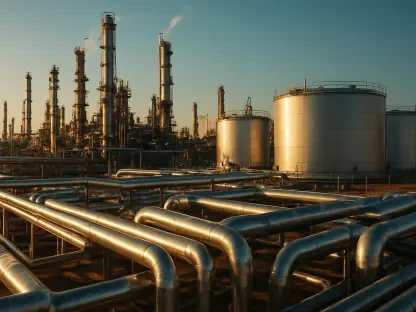
Refining biogas into grid-ready biomethane requires sophisticated upgrading technologies that remove carbon dioxide and other impurities to achieve a methane concentration of at least ninety-seven percent. Modern facilities utilize several different methods to accomplish this, including membrane separation, water scrubbing, and amine scrubbing. Membrane separation has become increasingly popular due to its high efficiency and relatively low energy footprint, using specialized polymer fibers to “sieve” out carbon dioxide molecules. This upgrading process is the key to creating a drop-in fuel that is chemically identical to fossil-derived natural gas. Once the gas is purified, it must be compressed and odorized to meet the stringent safety and caloric standards required by national grid operators. By leveraging the trillions of dollars already invested in gas pipelines, the biomethane industry can scale rapidly without the need for the massive infrastructure build-outs required by hydrogen or electric heavy-transport solutions.
Expanding Pipeline and Virtual Infrastructure
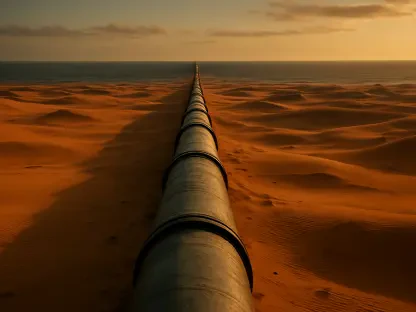
One of the most significant hurdles to widespread biomethane adoption is the geographical mismatch between rural production sites and the existing gas distribution network. Many large-scale farms and cooperatives are located in remote areas where laying new physical pipelines is cost-prohibitive. To address this, the industry is increasingly turning to “virtual pipelines,” which involve compressing or liquefying the biomethane and transporting it by truck to the nearest grid injection point. This hybrid model allows remote producers to participate in the energy market while the physical infrastructure catches up to production capacity. Furthermore, the development of decentralized micro-grids is gaining traction, where localized clusters of farms share a single upgrading facility and a small-scale distribution network. These innovative logistical solutions are essential for reaching the 2030 targets, as they allow for the rapid expansion of the sector even in regions where traditional grid access is currently limited.
Integrating Digestate into the Circular Economy
The conversion of waste to energy produces a vital secondary product known as digestate, the nutrient-rich material that remains after the organic matter has been processed in the digester. Digestate contains high levels of nitrogen, phosphorus, and potassium, making it an excellent organic fertilizer that can be returned to the fields where the feedstocks were originally grown. This process effectively closes the nutrient loop, reducing the agricultural sector’s dependence on synthetic fertilizers derived from fossil fuels. By replacing energy-intensive chemical fertilizers with digestate, farmers can significantly lower their operational costs and reduce the overall carbon footprint of their operations. Furthermore, because the anaerobic digestion process stabilizes the organic matter, digestate is often easier for plants to absorb than raw manure, leading to improved crop yields and reduced nutrient runoff into local waterways. This circularity is a defining feature of the biomethane transition, transforming the entire agricultural process into a more resilient and self-sustaining system.
Strategic Ambitions and Economic Hurdles
Scaling Capacity for REPowerEU Targets
The European Union has established an ambitious roadmap through the REPowerEU plan, which targets the annual production of 35 billion cubic meters of sustainable biomethane by the end of the decade. As the industry moves through 2026, the focus has shifted toward achieving a massive acceleration in production capacity, as current output remains only a fraction of the final goal. To bridge this gap, the industry must see the construction of hundreds of new anaerobic digestion and upgrading plants across the continent. This scale-up is not evenly distributed; countries with high livestock densities and established gas networks, like Denmark and France, are currently leading the transition, while other regions are still in the early stages of project development. Achieving the 2030 target will require a coordinated effort to streamline permitting processes and provide clear investment signals to the private sector, ensuring that the necessary capital is deployed to projects with the highest potential for impact.
Overcoming Capital and Operational Barriers
The financial landscape for biomethane projects remains challenging due to the significant upfront capital expenditures required to build modern facilities. For many small and medium-sized farms, the cost of a high-efficiency digester and upgrading unit is prohibitive without access to low-interest loans or direct government grants. Beyond the initial construction costs, operational expenses are highly sensitive to fluctuating energy prices and the logistical costs of feedstock collection. To ensure long-term viability, many producers are forming cooperatives that allow them to pool resources and share the costs of a centralized processing facility. This collaborative model not only reduces the financial burden on individual farmers but also creates a more stable and predictable feedstock supply for the upgrading plant. As the market matures, the standardization of technology and the entry of larger industrial players are expected to drive down costs, but for the immediate future, robust policy support remains a critical requirement for sector growth.
Diversifying Revenue through Carbon Markets
To achieve economic sustainability, biomethane producers are increasingly looking beyond the direct sale of gas to diversify their revenue streams through environmental certificates and carbon credits. The ability of biomethane to provide “carbon-negative” energy—especially when utilizing manure that would otherwise emit methane—makes it a highly valuable asset in the global effort to offset industrial emissions. In the current market, producers can sell Guarantees of Origin (GOs), which certify that a specific unit of energy was produced from renewable sources, providing a premium over the base price of natural gas. Additionally, the sale of carbon credits on voluntary or compliance markets offers a secondary income source that can help offset the high operational costs of upgrading and grid injection. This multi-layered economic model is essential for attracting the large-scale institutional investment needed to transition the sector from a collection of niche projects to a core component of the European energy mix.
Strategic Evolution: The Road Beyond Initial Integration
The integration of agricultural waste into the energy grid required a fundamental shift in perspective among both farmers and policymakers. The industry demonstrated that by viewing manure and crop residues as strategic assets rather than waste products, it was possible to create a decentralized energy system that strengthened local economies. It was determined that the successful scaling of this technology relied on the development of regional hubs where feedstock collection was optimized and grid access was prioritized. Moving forward, the focus must remain on the deployment of “third-generation” digesters that can process a wider variety of materials, including lignocellulosic waste that was previously difficult to digest. This technical evolution, paired with the expansion of the circular nutrient economy, positioned the agricultural sector as a cornerstone of the broader energy transition. The lessons learned during this period of rapid expansion established a framework for integrating renewable gas into the global economy, ensuring that the pursuit of energy security also supported the long-term health of the planet.