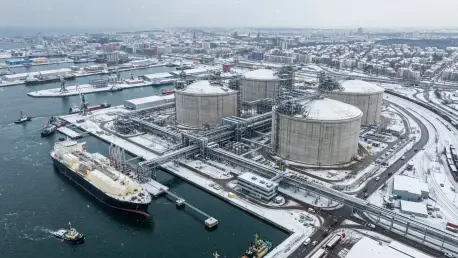

Geopolitical tensions in the Middle East have effectively halted eight percent of the European Union’s LNG imports, forcing nations to compete for expensive spot market cargoes. This sudden disruption has exposed the lingering fragility of the European energy landscape, which is currently grappling with a profound sense of insecurity as a new supply crisis unfolds. Despite ambitious efforts to sever ties with volatile regions and achieve energy independence following the shocks of 2022, the continent remains deeply vulnerable to external geopolitical conflicts. While public attention often gravitates toward oil and diesel prices, a far more dangerous squeeze is manifesting in the natural gas sector in 2026. As temperatures begin to drop, Europe is entering the peak heating season with storage levels at historic lows, threatening both the financial stability of households and the broader regional economy. The irony is stark: four years into a massive transition, the continent is again at the mercy of distant maritime routes.
Market Volatility and Geopolitical Maritime Bottlenecks
The primary barometer for European gas costs, the Dutch TTF contract, recently provided an alarming picture of market volatility that unsettled industrial stakeholders across the continent. At the beginning of the current calendar year, the benchmark price sat at a relatively manageable €28 per megawatt-hour, offering a deceptive sense of stability. However, by late October, these prices had surged to approximately €96, briefly peaking at over €97 during high-volume trading sessions. This represents a staggering 234% increase within a single year, a trend that caught many analysts by surprise despite the general awareness of global supply risks. While these figures were lower than the extreme peaks of 2022, the rapid upward trajectory signaled a market that was increasingly nervous about the adequacy of supply as the primary heating season commenced. This shift from a stable pricing environment to one characterized by rapid escalation suggested that the energy peace Europe hoped for had not yet materialized.
This dramatic surge was largely driven by a convergence of maritime and geopolitical disruptions that effectively choked off several vital supply lines simultaneously. A significant blow to regional stability came from the closure of the Strait of Hormuz, a critical maritime bottleneck that completely halted liquefied natural gas shipments from Qatar to European ports. While Qatar provides roughly 8% of the European Union’s total LNG, the global gas market currently operates on such thin margins that even minor losses create massive ripple effects throughout the supply chain. Every missing Qatari cargo necessitated a replacement from the competitive spot market, where European nations were forced to outbid aggressive Asian buyers. This global competition drove prices upward across all regions, leaving Europe in a precarious position where it had to pay a premium to secure its energy needs. The loss of these stable flows meant that the seasonal storage strategy relied on unpredictable and expensive alternatives.
Strategic Transitions: Navigating the Russian Import Ban
Compounding the loss of Middle Eastern supply was the European Union’s strategic pivot away from Russian energy, a transition that neared its final phase in 2026. As recently as the second quarter of this year, Russian gas still accounted for approximately one-fifth of the total LNG imports within the bloc, illustrating a persistent dependency that proved difficult to sever entirely. With a full ban on these imports scheduled to take effect by January 2027, the regional market faced a tightening window to secure alternative sources without causing significant economic disruption. Energy experts warned that this transition required a substantial reduction in total gas consumption to be sustainable over the long term. Europe currently faced a double-gap in its supply chain, attempting to phase out its traditional Russian provider while simultaneously being involuntarily cut off from Qatari resources. This synchronized loss of two major suppliers left the energy grid without its traditional buffer zones.
To manage this supply deficit, analysts from the Institute for Energy Economics and Financial Analysis suggested that a 7% reduction in total gas consumption was necessary compared to the previous winter. Achieving this target relied heavily on both industrial efficiency and individual behavioral changes, such as lowering thermostats and optimizing the timing of high-energy industrial processes. Although EU gas demand had already trended downward over the past few years, the current crisis demonstrated that further reductions were essential to avoid involuntary blackouts or rationing. The challenge remained that while some sectors could easily transition to electricity or alternative fuels, many specialized industries were still locked into gas-dependent infrastructure. Consequently, the focus shifted toward aggressive demand management strategies that could provide a temporary bridge until new renewable projects came online. This approach emphasized the need for a coordinated effort across all member states.
Storage Shortfalls and the Resulting Consumer Financial Burden
The most distressing indicator of the current crisis was the state of European gas reserves, which failed to reach the typical safety targets during the summer refilling months. As of late October, EU storage facilities were only 74.6% full, a sharp decline from the 82.9% recorded during the same period in the prior year. This volume represented the lowest storage level for this time of year since 2011, leaving the continent with virtually no margin for error if the region faced an exceptionally cold winter. Even more concerning was the fact that some nations, such as Austria, had already begun drawing from their winter stocks prematurely due to the absence of consistent Qatari imports. If weather patterns like El Niño were to bring prolonged freezing temperatures across Northern Europe, storage levels could realistically plummet to as low as 17% by the end of March. Such a scenario would leave the market with almost no inventory to begin the next refilling cycle, creating a multi-year deficit.
For the average European consumer, these wholesale market fluctuations translated directly into significantly higher utility bills that placed a strain on household budgets. With winter futures trading at three times the average of the previous year, the cost of heating a standard home was expected to rise by hundreds of euros before the end of the season. While some households were temporarily shielded by fixed-rate contracts or regulated tariffs, the overall trend toward higher energy costs remained undeniable and pervasive. By September, energy prices in major EU capitals had already climbed by 12%, and the full weight of the wholesale surge was expected to hit the public as the heating season intensified. This financial pressure forced many families to prioritize heating over other essential expenses, leading to calls for increased government intervention. The disparity in energy costs across different member states further complicated the regional response.
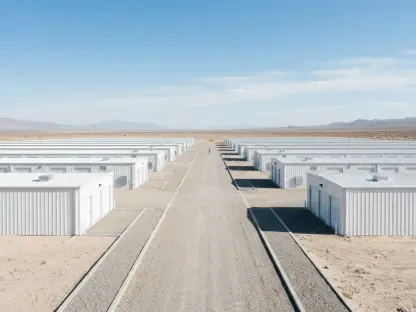
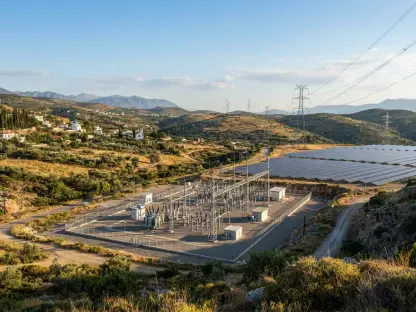
The energy crisis of 2026 demonstrated that simply swapping suppliers was insufficient for long-term stability. Policymakers recognized that the vulnerability of the grid remained tied to international maritime safety and volatile spot markets. Consequently, the transition prioritized domestic infrastructure projects, such as offshore wind arrays and expanded battery storage capacity, which successfully reduced the reliance on liquefied gas imports. Community-led initiatives for home weatherization provided immediate relief to families who struggled with the sudden escalation of heating costs. This period served as a turning point where the European Union finally moved beyond reactive measures and began implementing a proactive, decentralized energy strategy. The lessons learned from the storage lows of late October fueled a rapid modernization of the power sector that ensured future winters would be managed through local generation rather than distant, conflict-prone sources.