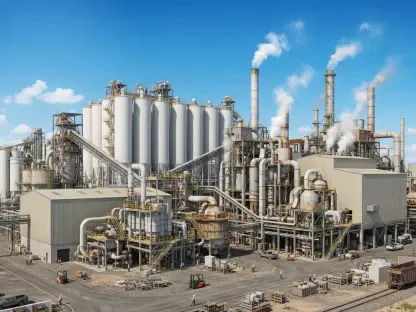

TruAlt’s shift toward high-value biofuel segments includes a proposed aviation fuel facility designed to bridge the gap between waste and clean energy. India’s energy landscape is currently undergoing a massive structural shift, and the rapid expansion of biofuel infrastructure is at the heart of this change. For the second quarter, the company reported an impressive revenue of ₹811 crore, which marks a significant jump from the ₹115 crore seen during the same period in the previous year. This growth is not merely a financial milestone but a testament to a broader operational evolution from seasonal production to a year-round industrial model. By moving away from a reliance on sugarcane cycles, the organization has effectively stabilized its supply chain and output. This strategic transition allows for a consistent monthly ethanol production of nearly 6 crore liters, providing a steady flow of renewable energy to a market that is increasingly hungry for sustainable alternatives to imported petroleum products.
Operational Scaling Through Technological Integration
The core of this operational success lies in the successful commissioning of dual-feed grain integration across various manufacturing facilities. Historically, the biofuel industry in the region suffered from a mono-feed dependency, where production would halt once the sugarcane season ended. By integrating grain as a secondary feedstock, the company has bypassed these seasonal limitations, ensuring that capacity utilization remains high throughout the entire year. This technical pivot has allowed the plants to maintain a monthly ethanol output of approximately 5.5 to 6 crore liters regardless of the harvest calendar. Such consistency is vital for building trust with national energy distributors who require a predictable supply for blending mandates. Furthermore, the ability to switch between different raw materials based on market availability and price points has created a more resilient cost structure, protecting the bottom line from the volatility inherent in the agricultural sector.
Expanding the production scale also involves a focus on optimizing the throughput of existing assets to maximize return on investment. The move toward a multi-product clean energy platform has fundamentally changed how agricultural waste is viewed within the industrial cycle. Instead of being a byproduct, residues are now high-value inputs for a variety of energy streams, including both liquid fuels and gas. This diversification strategy ensures that the company can pivot its output based on shifting demand in the transportation and industrial sectors. The financial trajectory observed over the past few quarters demonstrates that scaling production is not just about building more plants, but about making each facility more efficient through technological upgrades. This approach has led to a dramatic increase in the top-line figures, proving that the integration of agricultural supply chains with modern chemical engineering can produce a sustainable and highly profitable business model.
Strategic Partnerships and Sustainable Aviation Frontiers
A major component of the current roadmap is the strategic rollout of Compressed Biogas facilities across multiple locations, with a target production capacity of 162.2 tons per day. To achieve this, the firm has leveraged high-profile partnerships, including a joint venture with GAIL (India) Limited. GAIL’s acquisition of a 49% stake in the Leafiniti Bioenergy subsidiary has provided the necessary capital structure for the execution of these commercial-scale plants. This collaboration aligns with national mandates for gas blending and significantly reduces the nation’s dependence on foreign fuel imports. Additionally, working with international partners like Sumitomo Corporation has introduced global standards for waste management and gas production. These partnerships serve a dual purpose: they provide the financial muscle for rapid infrastructure deployment and ensure that the technology used in these facilities is at the cutting edge of the global industry as we progress from 2026 into 2028.
The transition toward a multi-product clean energy platform established a resilient framework for the future of the industry. By integrating dual-feed technology and securing robust institutional capital, the organization demonstrated that biofuel production was both scalable and economically viable. Stakeholders focused on developing decentralized infrastructure that minimized waste while maximizing output across diverse fuel segments. It was observed that the marriage of agricultural policy and industrial innovation provided the most effective way to secure a sustainable energy future. Moving forward, the focus shifted toward refining these technologies to ensure that clean energy remained accessible for the entire economy. Ultimately, the successful execution of these strategies proved that agricultural waste could be transformed into a strategic national asset, providing a sustainable path for energy security and stewardship. This growth set the stage for more breakthroughs.