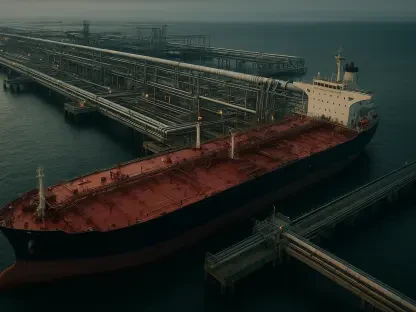

The shattering of the six-dollar-per-gallon price barrier has sent a seismic shock through the structural foundations of American commerce, transforming a fuel cost concern into a pervasive national emergency. As of early 2026, the national average for diesel has officially reached $6.06 per

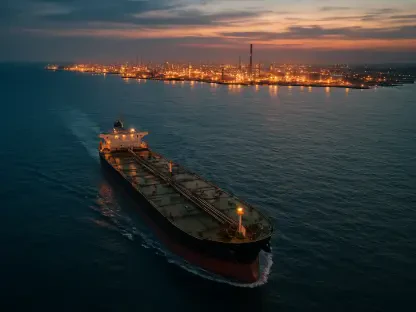
The sudden evaporation of millions of barrels of crude oil from the daily global supply has transformed the Strait of Hormuz from a quiet maritime artery into a paralyzed bottleneck of historical proportions. This unprecedented disruption has sent ripples through the global economy, forcing nations
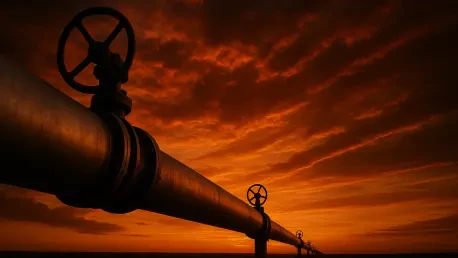
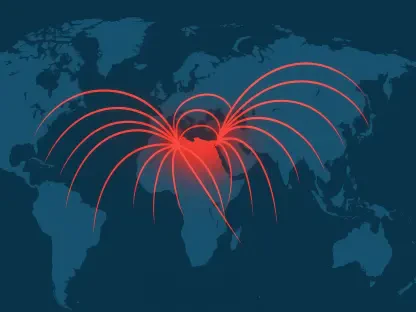
The Fragility of Modern Energy Infrastructure The sudden collapse of Saudi Arabia's primary inland energy artery has sent a massive shockwave through the delicate architecture of international trade and resource security. The global energy landscape is currently grappling with a profound period of
JERA CEO Yukio Kani recently warned that Europe lacks a sufficient storage buffer to withstand further supply shocks as the high-demand winter season begins. This stark assessment arrives as benchmark natural gas contracts in both the United Kingdom and continental Europe witness an aggressive

The inherent two-way risk of the energy market means companies often endure periods of significant financial loss when oversupply causes global prices to collapse. This volatility has become a central point of contention as the United States navigates the complexities of the current energy

Sanctions enforcement and the threat of direct attacks on critical energy infrastructure have effectively decoupled long-term political goals from short-term market risks. The global energy market has entered a period of extreme volatility as the gap between political rhetoric and physical market