
The persistent hum of backup generators has replaced the traditional silence of the tropical night as the Cuban electrical grid descends into a cycle of cascading failures that threaten the very fabric of daily life. This systemic collapse represents the cumulative effect of decades of underinvestment and the immediate failure of the state utility to maintain synchronization across its aging network.
The Fragile State of Cuba’s National Energy Infrastructure
The recurring failure of the Union Electrica de Cuba reveals a systemic inability to manage technical oscillations during reconnection. When the national grid collapses, the state of the infrastructure makes recovery a painstaking process, often resulting in secondary failures shortly after power is partially restored.
The technological landscape is dominated by aging thermoelectric plants and gas-fired units like the Boca de Jaruco facility. Most of these units have far exceeded their intended operational lifespan, leading to frequent unplanned outages that ripple through the entire energy sector without warning.
This crisis functions as a significant bottleneck for the nation’s broader economic stability. Without reliable electricity, the primary segments of the utility system fail to support decentralized generation, leaving critical services and public welfare in a state of constant vulnerability.
Deciphering the Patterns of Instability and Performance Metrics
Emergent Trends in Grid Resilience and Micro-Grid Implementation
Authorities have shifted toward creating isolated micro-grids to safeguard essential infrastructure such as hospitals and food processing centers. These localized power pockets attempt to maintain core functions when the national synchronization fails, providing a limited buffer against total darkness.
Evolving consumer behaviors reflect this chronic energy scarcity, with citizens adopting alternative cooking methods and private power solutions where possible. This push for modernization is a direct reaction to the frequent technical oscillations that have made centralized reliance increasingly untenable.
Performance Indicators and the Widening Deficit in Energy Production
Historical data on grid failures indicates an alarming frequency of nationwide blackouts during peak demand periods. The gap between national demand and actual generation capacity has widened significantly as the country loses consistent fuel shipments, making grid stability nearly impossible to forecast.
Short-term stability remains precarious based on current fuel reserves and maintenance cycles. The production deficit persists because the total capacity of the remaining functional units cannot compensate for the frequent breakdown of larger, more centralized thermoelectric plants.
Addressing the Compound Crisis of Mechanical Decay and Fuel Scarcity
The physical degradation of thirty-year-old power plants creates a logistical nightmare for sourcing specialized replacement parts. Maintenance teams often have to fabricate components locally or cannibalize older machinery, which only provides temporary fixes to deep-seated mechanical issues.
Furthermore, the energy-water nexus ensures that power failures lead to the total disruption of municipal water supplies. This compounding effect intensifies the human impact, as the lack of pumping capacity leaves major urban centers without potable water for extended durations.
Geopolitical Constraints and the Impact of International Sanctions
United States sanctions and oil blockades continue to restrict access to global financing and energy markets. These regulatory hurdles prevent the procurement of modern equipment and technical expertise from international vendors, leaving the energy sector isolated from global technological advances.
Shifting diplomatic relations with traditional oil suppliers like Venezuela and Mexico have further compromised national energy security. As these partners face their own internal challenges, the reliable flow of petroleum has dwindled, forcing the state to seek expensive and irregular spot-market shipments.
Navigating the Path Toward Long-Term Energy Sovereignty
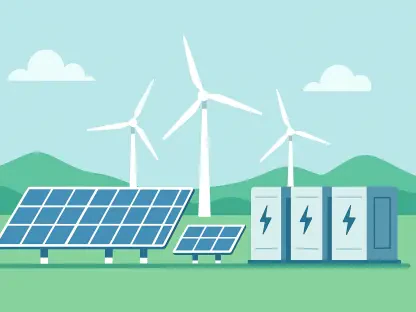
Renewable energy integration has emerged as a potential market disruptor to reduce dependence on imported fuel. Innovation in grid management software is also becoming a priority to better handle technical oscillations during the complex process of synchronizing various power sources.
Prospects for future investment remain tied to whether geopolitical tensions ease or internal economic policies shift toward privatization. A more flexible regulatory environment could attract the capital necessary to overhaul the grid and incorporate sustainable generation technologies.
Evaluating the Human Cost and Strategic Path Forward
The causes of this crisis were a multifaceted blend of internal mismanagement and external economic pressure. This combination created a perfect storm where mechanical decay met fuel scarcity, resulting in a system that was unable to sustain itself under even moderate demand.
Strategic planners determined that a stable recovery required an immediate and comprehensive infrastructure overhaul rather than temporary repairs. They prioritized securing sustainable fuel pipelines and decentralized solar arrays, which eventually provided a more resilient foundation for the national grid. These efforts served to mitigate future systemic collapses and protected the most vulnerable sectors of society.