
The era of unchecked expansion in the global energy market has reached a definitive turning point as the world’s largest importer begins to dismantle its historic dependence on foreign crude oil supplies. For decades, the engine of international oil demand relied almost exclusively on the relentless industrialization and urban growth occurring within the borders of a single nation. Importing upwards of eleven million barrels of crude every day at an annual cost exceeding three hundred billion dollars, the Chinese economy remained critically exposed to the whims of international price volatility and the complex geopolitical tensions of oil-producing regions. However, current data suggests that the peak of this demand has already passed, marking a structural plateau that signifies a permanent shift in energy consumption patterns. This transformation is not a byproduct of temporary economic slowdowns but rather the result of a deliberate, multi-year engineering project aimed at achieving total energy independence through technological substitution. By implementing a sophisticated policy architecture, the state is intentionally decoupling growth from foreign oil to secure its long-term economic sovereignty.
Transforming the Power Sector into an Industrial Asset
Scaling Renewables as a New Industrial Pillar
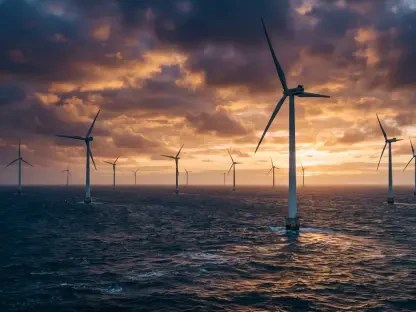
The expansion of renewable energy across the vast landscapes of the interior represents the most significant infrastructure undertaking in modern history, fundamentally altering the national perception of power. Instead of viewing energy as a recurring commodity expense purchased from foreign entities, policymakers have successfully rebranded it as a domestic industrial output generated by home-grown technology. By commissioning hundreds of gigawatts of new solar and wind capacity every year, the state is effectively building a massive capital asset that provides electricity at a near-zero marginal cost once the initial construction is complete. This shift allows the industrial sector to decouple its operational costs from the fluctuations of the Brent and WTI crude benchmarks. The move toward a self-sustaining energy loop has turned the nation into a global leader in clean tech manufacturing, ensuring that the components for this transition—from silicon wafers to turbine blades—are produced within a domestic ecosystem that feeds back into the national gross domestic product.
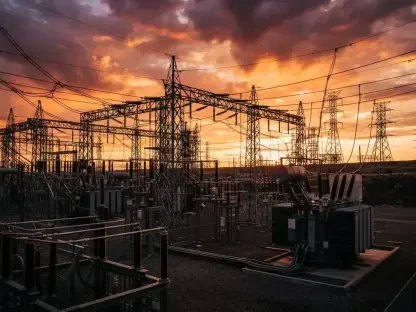
While the massive infusion of clean energy has added trillions of dollars to the national economy, the sheer scale of the rollout has introduced a series of complex technical challenges that require immediate attention. As intermittent sources like wind and solar become the dominant contributors to the national energy mix, the traditional grid architecture must be completely reimagined to handle the inherent variability of these resources. The government has prioritized the construction of ultra-high voltage transmission lines to bridge the thousands of miles between resource-rich inland regions and the power-hungry industrial hubs along the coast. Maintaining stability during peak demand requires a sophisticated integration of artificial intelligence and massive battery storage systems to ensure that surplus energy is not wasted or lost during transmission. Resolving these logistical hurdles remains a top priority, as the success of the entire energy transition depends on the ability to deliver reliable, carbon-free electricity to every corner of the country without interruption or failure.
Securing Baseload Stability: Advanced Nuclear Power
To provide a consistent counterweight to the intermittent nature of renewable energy, the state has positioned advanced nuclear power as the primary strategic baseload for the twenty-first century. The pace of reactor construction has reached an unprecedented level, facilitated by the widespread adoption of standardized designs like the Hualong One, which streamlines the regulatory and manufacturing processes. By localizing the entire supply chain, from fuel fabrication to heavy component forging, the nation has managed to lower construction costs and shorten project timelines significantly compared to Western counterparts. This aggressive expansion creates a reliable, low-carbon foundation that allows the grid to operate with a high degree of confidence while fossil fuel plants are gradually decommissioned. The strategic objective is to create a predictable energy floor that can support heavy industry and residential needs regardless of weather conditions, further reducing the necessity for imported hydrocarbons in the power sector while enhancing overall domestic security.
Beyond the deployment of current generation reactors, the focus has shifted toward the commercialization of next-generation nuclear technologies that offer even greater versatility and safety. Significant investments in small modular reactors and high-temperature gas-cooled systems have allowed for the deployment of nuclear power in locations where traditional large-scale plants would be impractical. These modular units are designed to provide localized heat for industrial processes and desalination, extending the reach of nuclear energy far beyond the standard electrical grid. Additionally, the development of molten salt reactors using thorium suggests a future where domestic fuel sources are even more abundant and easier to manage than traditional uranium. These innovations represent a broader effort to future-proof the national energy infrastructure, ensuring that the transition away from oil is backed by a diverse portfolio of advanced thermal and kinetic power sources that are entirely immune to maritime blockades or foreign sanctions that might otherwise threaten the state.
Eliminating Foreign Vulnerabilities through Domestic Substitution
Mitigating Strategic Risks: Coal-to-Liquid Technology
A primary driver behind the current energy strategy is the urgent need to mitigate the strategic risk known as the Malacca Dilemma, which involves the extreme vulnerability of maritime oil lanes. To address this concern, the state has invested heavily in coal-to-liquids technology, leveraging its massive domestic coal reserves to create synthetic alternatives to petroleum and diesel. This process allows the nation to transform a solid, locally available resource into a liquid fuel that can power military assets, heavy machinery, and industrial transport without relying on overseas shipments. By building large-scale conversion facilities in coal-rich provinces, the government is creating a parallel energy system that serves as a vital strategic buffer against potential global supply shocks. This internal fuel production capability ensures that critical infrastructure can continue to function even if access to international crude markets is restricted by geopolitical conflict or physical blockades in the South China Sea, providing a necessary layer of protection for the national interest.
While the conversion of coal into synthetic liquid fuels is undeniably carbon-intensive and places a significant strain on local water resources, it clearly illustrates the hierarchy of national priorities. For the leadership in Beijing, the immediate imperatives of energy security and the preservation of economic sovereignty take precedence over short-term environmental benchmarks in the national energy mix. This pragmatic approach ensures that the country maintains a diversified energy portfolio where every domestic resource is utilized to its maximum potential. The strategy effectively turns coal—a legacy fuel—into a modern strategic asset that protects the domestic economy from the inflationary pressures of global oil shortages. By maintaining this capability, the state demonstrates a willingness to accept higher localized environmental costs in exchange for a guaranteed supply of liquid fuels. This trade-off is viewed as a necessary component of a broader plan to ensure that the nation remains resilient against any external attempts to weaponize energy supplies.
Reducing Petroleum Demand: Widespread Electrification
The most immediate and profound impact on national oil demand has originated from the rapid and comprehensive electrification of the transportation sector over the past few years. Through a combination of aggressive manufacturing incentives and the establishment of the world’s most extensive charging network, electric vehicles have moved from a niche market into the mainstream. Sales of battery-electric and plug-in hybrid vehicles now represent a majority of all new passenger car registrations, fundamentally altering the composition of the national fleet. This transformation is not limited to private vehicles; entire cities have successfully transitioned their public bus and taxi systems to run exclusively on electricity. The widespread adoption of electric trucks for logistics and short-haul freight further reduces the daily consumption of diesel, which was previously the backbone of the domestic transportation industry. This systematic shift has created a feedback loop where increased demand for EVs drives further investments in battery technology and infrastructure.
This fundamental change in mobility has significantly altered the trajectory of global petroleum markets by displacing millions of barrels of crude oil that would otherwise have been imported. By synchronizing the mass adoption of electric vehicles with the expansion of a clean, domestic power grid, the nation is successfully severing the link between economic mobility and foreign fuel. The result is an entirely new economic model where national growth is fueled by domestic innovation, semiconductor production, and renewable electricity rather than a reliance on unstable commodity markets. This transition effectively insulates the country from the sudden price swings of the global oil trade, ensuring that transportation costs remain stable for both businesses and consumers. As more vehicles transition to the grid, the potential for vehicle-to-grid technology also increases, allowing the national fleet to act as a massive, decentralized battery. This secondary benefit enhances grid stability and provides a pathway for an even more efficient use of renewable energy sources nationwide.
Advancing Sovereignty through Technological Integration
The strategic pivot away from foreign crude oil established a comprehensive blueprint for how a major industrial power could engineer its way out of energy dependency. By integrating renewable expansion, nuclear baseload stability, and advanced synthetic fuel production, the government successfully neutralized the geopolitical risks associated with maritime energy corridors. This multi-faceted approach transformed the national energy sector from a source of external vulnerability into a primary engine of domestic industrial growth and technological leadership. Looking ahead, the focus remained on refining grid integration and scaling up next-generation energy storage solutions to accommodate a fully electrified economy. The transition proved that decoupling economic advancement from hydrocarbon consumption was not only a logistical possibility but a strategic necessity for long-term sovereignty. As these systems matured, they provided a template for other nations seeking to prioritize domestic energy security while navigating the complexities of a changing global landscape. The final implementation steps emphasized the necessity of a unified digital management system to optimize energy distribution across all sectors.