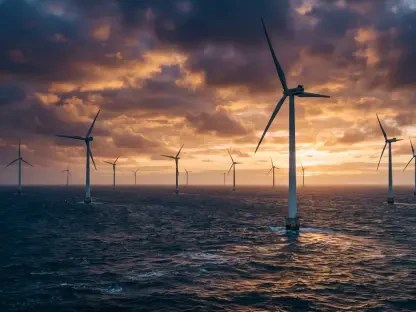

The Atlantic horizon off the coast of Virginia is no longer just a vast expanse of water but the front line of an industrial revolution that is currently reshaping how America generates its power. By early 2026, the Coastal Virginia Offshore Wind project transitioned from a visionary blueprint into a functioning powerhouse, delivering its first electrons to the regional grid and silencing many skeptics of utility-scale marine energy. This 2.6-gigawatt facility stands as the largest of its kind in the United States, representing a collective gamble by developers, state officials, and federal regulators on the long-term viability of the Atlantic shelf. As this massive undertaking navigates the complexities of modern engineering and volatile market conditions, it serves as a critical reference case for every subsequent offshore wind project in the pipeline. The success or failure of CVOW will likely dictate the pace of private investment and the tone of federal energy policy for the remainder of this decade as the nation moves toward a decentralized and renewable-heavy power grid.
Engineering a New Industrial Standard in the Atlantic
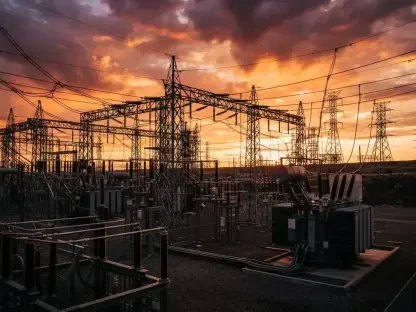
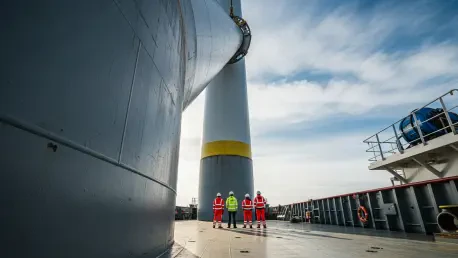
The physical presence of the Coastal Virginia Offshore Wind project is a testament to the sheer scale of modern maritime engineering, with structures that dwarf traditional infrastructure. Each of the 176 Siemens Gamesa turbines reaches the height of a 38-story skyscraper, utilizing massive monopile foundations that are driven deep into the seabed to ensure stability against the unpredictable Atlantic currents. This is not merely a collection of individual units but a highly integrated network of offshore substations and thousands of miles of buried subsea cables designed to funnel massive amounts of electricity back to the mainland. By successfully deploying these colossal components in such a volatile environment, engineers have demonstrated that the technical hurdles of deep-water wind production are manageable with the right investment in specialized equipment. This operational success establishes a blueprint for future deep-water projects that aim to harvest the high-velocity winds found further away from the coastline.
Beyond the sheer mechanics of the turbines, the logistical execution of this project has forced a fundamental maturation of the domestic maritime industry and its supply chains. Central to this evolution is the deployment of the Charybdis, which is the first wind turbine installation vessel built to comply with the Jones Act, ensuring that American maritime labor and shipyards are at the heart of the offshore transition. This $11.5 billion investment has created a ripple effect throughout the regional economy, transforming local ports into specialized hubs for component assembly and maintenance operations. By prioritizing American-made solutions and domestic vessel construction, the project has mitigated some of the global supply chain vulnerabilities that previously hampered the industry. The resulting infrastructure provides enough clean energy to power approximately 660,000 homes, which effectively matches the combined residential electricity needs of major metropolitan areas like Richmond and Norfolk, proving that offshore wind can meet heavy urban demands reliably.
Navigating Regulatory Friction and Strategic Stability
While the technical milestones are impressive, the project has also served as a stress test for the American legal and regulatory frameworks governing renewable energy development. A significant hurdle emerged in late 2025 when a federal stop-work order halted progress, leading to a protracted legal battle that Dominion Energy eventually won but not without incurring hundreds of millions of dollars in additional costs. These types of administrative frictions underscore the inherent risks that developers face when venturing into the relatively new regulatory landscape of U.S. offshore waters. For the industry to thrive beyond this single project, there must be a move toward more streamlined permitting processes that offer greater predictability for long-term capital investments. The legal precedents established during the construction of CVOW will likely inform how future disputes are settled, potentially lowering the barrier for entry for smaller developers who cannot afford the financial burden of extended delays. This focus on regulatory clarity is essential for maintaining investor confidence.
Ultimately, the successful integration of the Coastal Virginia Offshore Wind project into the regional grid provided a vital buffer for national security interests and local energy stability. Because the Hampton Roads area hosts a high concentration of critical military installations, the arrival of a domestic, weather-resilient power source offered a strategic advantage that fossil fuel imports could not replicate. As data center expansion accelerated the demand for electricity across the state, the 5 million tons of annual carbon emissions offset by this project became a cornerstone of regional climate goals. Stakeholders realized that the path forward required a decentralized approach to grid management where offshore assets played a primary role in meeting peak loads. The project demonstrated that large-scale renewable investments succeeded best when paired with aggressive domestic manufacturing incentives and robust federal-state partnerships. It was clear that the lessons learned from this massive endeavor served as the definitive manual for the next generation of American energy leaders to follow.