
The sheer scale of projected electricity consumption in the Lone Star State has fundamentally shifted from a manageable upward trend to an aggressive vertical climb that threatens to outpace current infrastructure capabilities. Recent assessments from the Electric Reliability Council of Texas suggest that peak demand could soar to nearly 150 gigawatts by 2030, a figure that seemed impossible just a few years ago but now represents a looming reality. This surge is primarily fueled by the rapid expansion of energy-intensive industries, including massive data center complexes supporting artificial intelligence and the continued electrification of the oil and gas sector in the Permian Basin. As these high-load consumers connect to the grid, the traditional methods of forecasting are being re-evaluated to ensure that residential neighborhoods do not face the brunt of potential shortfalls. The challenge is about modernizing the physical transmission lines to move energy across the state safely.
Infrastructure Expansion: Upgrading the Backbone of the Lone Star State
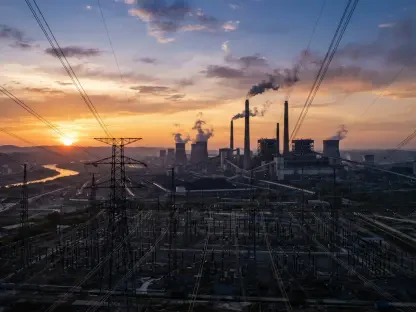
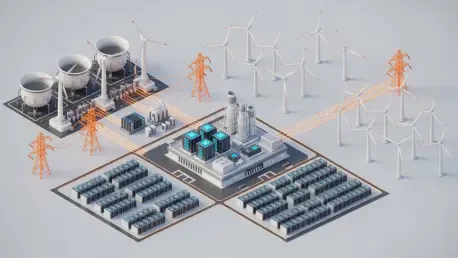
Building a grid capable of handling twice the current load requires a multifaceted approach that integrates both traditional thermal generation and rapidly expanding renewable sources. While Texas leads the nation in wind and solar capacity, the intermittent nature of these resources necessitates a robust backup system, typically provided by natural gas plants that can fire up quickly during peak periods. The Texas Energy Fund has become a pivotal mechanism for incentivizing the construction of new dispatchable generation, aiming to add thousands of megawatts of reliable capacity to the system over the next several years. However, the physical constraints of the existing transmission network often lead to congestion, where power generated in the windy plains of West Texas cannot reach the high-demand urban centers like Dallas. Addressing these bottlenecks involves multi-billion dollar investments in high-voltage lines, a process that frequently encounters regulatory hurdles and local pushback today.
The integration of large-scale data centers and cryptocurrency mining operations has introduced a level of volatility and high-density demand that the regional grid was never originally designed to support. These facilities often operate at a constant high load, unlike residential consumers whose usage fluctuates predictably throughout the day, creating a persistent baseline that leaves little room for error during extreme weather events. To mitigate these risks, ERCOT has implemented more stringent registration requirements for large power users, forcing these entities to coordinate more closely with utility providers before coming online. This collaborative planning ensures that new industrial projects do not inadvertently trigger local outages or destabilize the broader frequency of the grid. Furthermore, many of these tech giants are beginning to invest in their own behind-the-meter generation and storage systems, effectively acting as self-sustaining islands during times of grid stress now.
Strategic Solutions: Balancing Reliability With Rapid Growth
Technological innovation is providing new avenues for managing the widening gap between supply and demand, with battery energy storage systems emerging as a critical component of the state’s reliability strategy. As of 2026, the deployment of utility-scale batteries has accelerated significantly, providing the fast-acting frequency response necessary to stabilize the grid when renewable output drops or when a large power plant unexpectedly trips offline. These storage assets are not just passive participants; they are being utilized in sophisticated demand-response programs that incentivize large industrial consumers to reduce their usage during periods of extreme scarcity. Virtual power plants, which aggregate the capacity of thousands of residential solar-and-battery systems, are also gaining traction as a way to decentralize the energy hierarchy and empower homeowners to contribute to grid stability. This decentralized model offers a more resilient alternative to traditional plant architecture.
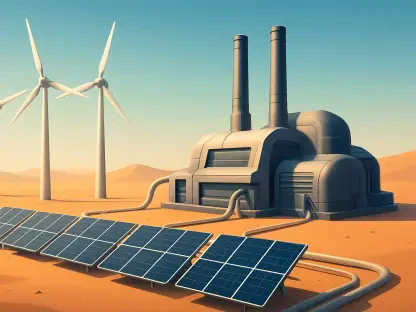
Policymakers and industry leaders recognized that the path forward required a fundamental transition from reactive crisis management to proactive, long-term resource planning that prioritized both scalability and efficiency. They prioritized the streamlining of the permitting process for critical transmission projects, which allowed for the more rapid deployment of essential infrastructure in high-growth corridors. Incentives were successfully aligned to encourage the development of hybrid power plants that combined solar arrays with on-site storage, ensuring a more consistent delivery of electricity regardless of weather conditions. Large-scale energy consumers were integrated into the reliability framework through mandatory participation in automated load-shedding programs, which protected the residential sector during the highest peaks of summer and winter. These combined efforts established a more flexible and robust energy ecosystem that could accommodate the needs of a booming digital economy and the wider society easily.