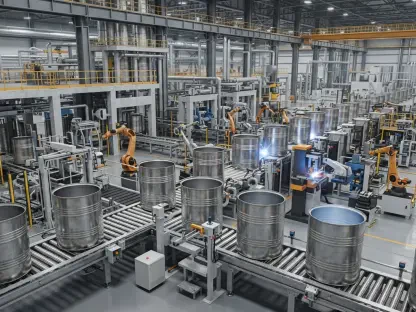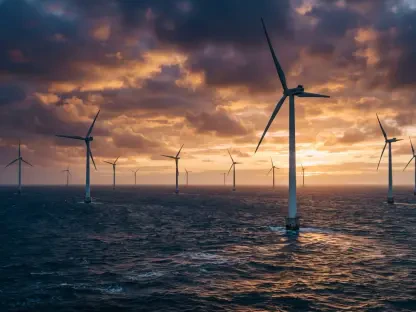
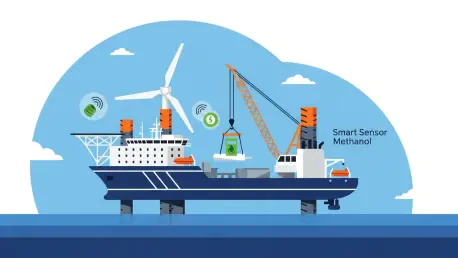
The massive scale of modern wind energy projects has pushed conventional maritime engineering to its absolute limits, necessitating a radical shift in how heavy-lift vessels are designed and deployed. As offshore wind farms migrate further into deeper waters and harsher environments, the industry
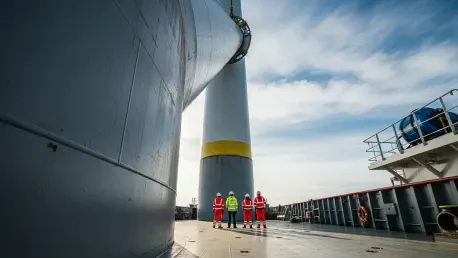
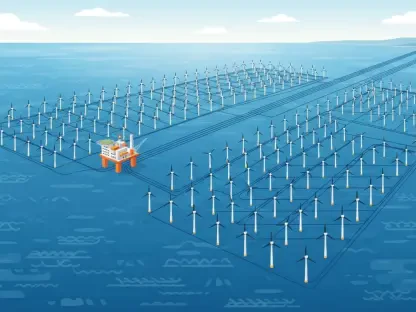
The Atlantic horizon off the coast of Virginia is no longer just a vast expanse of water but the front line of an industrial revolution that is currently reshaping how America generates its power. By early 2026, the Coastal Virginia Offshore Wind project transitioned from a visionary blueprint into
The persistent challenge of securing affordable and reliable energy while meeting stringent carbon neutrality targets has pushed Japan toward a complex crossroads where traditional nuclear reliance and emerging renewable technologies vie for dominance in the national strategy. As the island nation
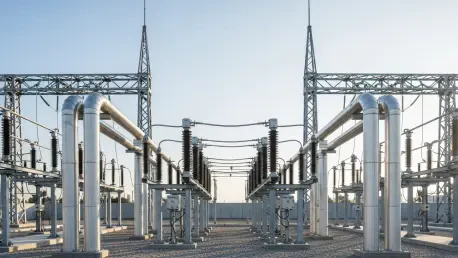
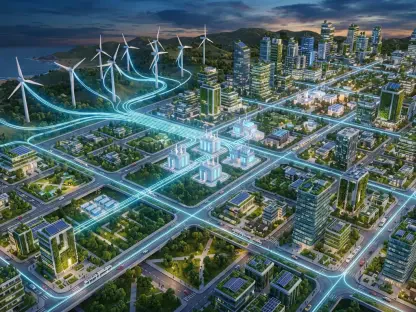
Ireland stands at a pivotal crossroads where the ambition of a green economy frequently collides with the physical limitations of an aging and heavily congested power transmission network. For years, the inability of the grid to absorb new connections without massive infrastructure overhauls has
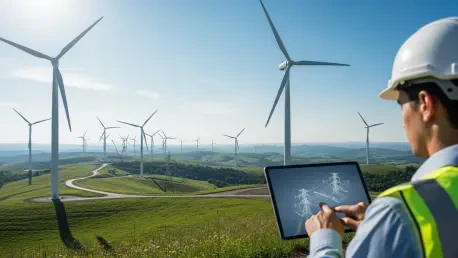
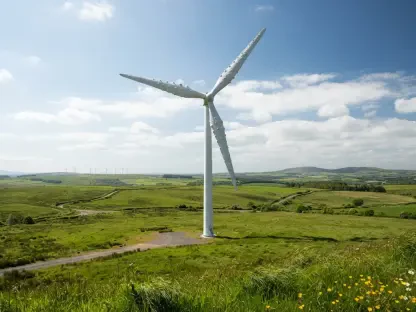
Europe stands at a critical juncture where the ambitious decarbonization targets of the next decade clash directly with the bureaucratic inertia of national administrative frameworks. While the technical capacity for onshore wind generation has never been higher due to advancements in turbine
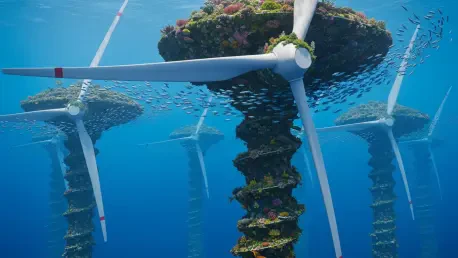
The vast expanse of the Taiwan Strait has historically been characterized by a shifting, featureless sandy seafloor that offered little sanctuary for the diverse marine life found in tropical waters. This stark environmental reality changed dramatically with the development of the Formosa Wind Farm