
Private industry partners currently operate 65 hydropower plants at existing federal sites, contributing an additional 2,500 megawatts of clean capacity to the national electric grid. This collaboration underscores the massive scope of the U.S. Army Corps of Engineers (USACE) hydropower program,

By upgrading to a 16-watt LED standard, the university is achieving a 65% decrease in electricity use per fixture compared to the 46-watt draw of traditional fluorescent systems. This massive transition at Southern Illinois University Carbondale represents a pivotal moment in the institution’s
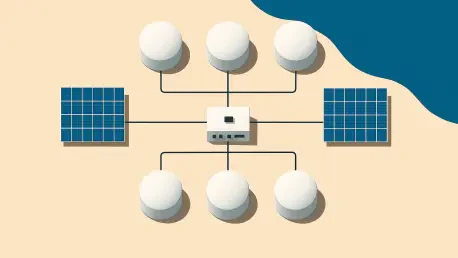
The Denham renewable hydrogen project in Western Australia highlighted the significant technical difficulty of integrating hydrogen hardware with existing legacy grid infrastructure. As remote communities look for alternatives to diesel-heavy energy portfolios, these microgrids represent a shift

The unprecedented density of modern megacities has transformed the electrical grid from a simple delivery mechanism into a complex, living ecosystem that requires constant, intelligent recalibration to survive. As of 2026, the traditional model of one-way energy flow is being replaced by a
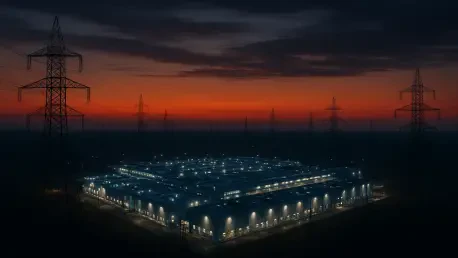
The relentless acceleration of the global digital economy has transformed the fundamental criteria for site selection across the Asian continent, shifting the focus from simple land acquisition toward the absolute availability of high-voltage electrical infrastructure. For several decades, the

Norway relies on hydropower for nearly 90 percent of its total electricity generation, making the resilience of its aging infrastructure a top priority for national energy security. This reliance underscores the critical need for advanced technological interventions as the country navigates a