
The ongoing success of the global garment supply chain currently depends heavily on the industrial resilience of Bangladesh, where the export sector serves as the primary engine for economic stability and national growth. This industry provides employment for millions and generates the vast majority of the country’s foreign exchange earnings, making its operational health a matter of absolute national importance. However, as international brands intensify their focus on ethical sourcing and carbon footprints, the traditional methods that fueled this growth are facing unprecedented scrutiny and physical limitations.
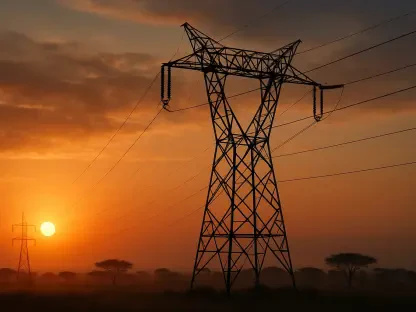
The sector is currently grappling with a looming energy crisis that threatens to undermine its competitive edge. For decades, manufacturers relied on an abundance of domestic natural gas, but these reserves are dwindling rapidly, leading to frequent supply disruptions and a forced reliance on expensive liquefied natural gas imports. This shift has placed an enormous financial strain on factory owners, as the volatility of international fuel prices makes it increasingly difficult to maintain the thin profit margins required by global buyers.
In response to these mounting pressures, a strategic shift toward renewable energy has begun to gain momentum across the industrial landscape. Solar power is transitioning from being viewed as a niche sustainability project to being recognized as a core requirement for industrial survival and long-term energy security. Manufacturers are realizing that diversifying their energy mix is no longer just about environmental stewardship; it is a pragmatic move to shield themselves from the rising costs and unpredictability of the fossil fuel market.
The Economic Backbone and the Energy Imperative
The Ready-Made Garment sector has long been the pillar of export stability for the nation, but the current energy landscape is shifting the ground beneath it. High electricity tariffs and the intermittent nature of the grid have forced many factories to run on diesel generators, which further increases the carbon intensity of their products. This reliance on fossil fuels creates a significant vulnerability, especially as global energy markets remain sensitive to geopolitical tensions that can cause price spikes overnight.
Moreover, the financial burden of importing liquefied natural gas is becoming unsustainable for the broader economy. As the government looks for ways to reduce the national import bill, the industrial sector is being encouraged to seek decentralized energy solutions. Solar energy, particularly through rooftop installations on massive factory buildings, offers a way to utilize existing infrastructure to generate clean power at a fixed cost, providing a level of financial predictability that traditional energy sources simply cannot match.
The transition to solar power is also being driven by the need to future-proof operations against future energy shortages. By investing in on-site generation, garment manufacturers can ensure a degree of autonomy that protects their production schedules from grid failures. This movement toward self-sufficiency is becoming a defining characteristic of the most successful players in the industry, who see renewable integration as a way to enhance their overall energy security.
Navigating Market Dynamics and the Renewable Transition
Emerging Trends in Sustainable Manufacturing and Global Decarbonization
A powerful push for green production is currently reshaping the relationship between manufacturers and Western retail giants. Consumers in Europe and North America are increasingly demanding transparency regarding the environmental impact of their clothing, which has forced brands to set aggressive decarbonization targets. Consequently, factories that fail to adopt renewable energy sources risk being excluded from the supply chains of major global players who are committed to achieving net-zero emissions.
Technological leapfrogging is also playing a significant role in this transition as modern machinery becomes more integrated with renewable energy systems. High-efficiency sewing technologies and advanced laser-cutting tools are being designed to operate within solar microgrids, allowing factories to reduce their overall energy demand while increasing output. This synergy between energy-efficient hardware and clean energy generation is redefining the standard for what a modern factory floor should look like.
Furthermore, the adoption of solar power serves as a critical tool for energy volatility mitigation. By locking in energy costs through solar infrastructure, manufacturers can better navigate the unpredictable fluctuations of the international fuel market. This stability allows for more accurate long-term financial planning and provides a competitive advantage over rivals who remain exposed to the price swings associated with traditional power sources.
Financial Projections and the ROI of Solar Integration
Detailed cost-benefit analyses have shown that integrating solar power can lead to substantial long-term savings for garment manufacturers. Projections indicate that achieving a 30% solar offset can reduce average monthly energy expenditures by over 15%, significantly improving the bottom line. While the initial setup requires a notable investment, the declining cost of solar panels and the long lifespan of the equipment ensure a favorable return on investment over time.
Growth forecasts suggest that the garment sector has the potential to lead a national surge in renewable capacity from 2026 to 2030. Industry leaders are aiming for significant megawatt targets that would transform the industrial belts into massive distributed power plants. This scaling up is expected to create a secondary market for solar maintenance and technical services, further embedding the renewable energy industry into the national economic fabric.
In contrast, the price of inaction is becoming increasingly clear to those who hesitate to transition. Modeling the economic risks of staying with traditional power sources reveals a future of rising costs and potential market exclusion. Factories that rely solely on fossil-fuel-based electricity face not only higher operational expenses but also the threat of carbon taxes and environmental penalties that could erode their competitiveness in the global arena.
Overcoming Structural and Financial Bottlenecks
One of the most significant hurdles to widespread solar adoption is the capital investment gap that many mid-sized manufacturers face. The high upfront costs of high-quality solar hardware and the sophisticated inverters required for industrial use can be prohibitive for businesses already operating with limited liquidity. Bridging this gap will require more innovative financing models and a greater willingness from the local banking sector to provide long-term, low-interest loans for green upgrades.
Land scarcity also remains a major constraint in the densely populated industrial zones of the country. Unlike other nations that can build sprawling solar farms, Bangladesh must rely on maximizing the rooftop potential of its existing factory buildings. Strategies are being developed to optimize these spaces, but structural limitations on older buildings sometimes make it difficult to support the weight of extensive solar arrays, necessitating costly structural reinforcements.
There is also a visible efficiency disparity between large-scale green factories and smaller manufacturers who are still operating with legacy machinery. While the industry leaders have the resources to invest in the latest sustainable technology, smaller players often struggle to make the transition. Closing this technological divide is essential to ensuring that the entire industry moves forward together, rather than leaving a significant portion of the manufacturing base behind.
The Regulatory Framework and Policy Landscape
The current taxation structure has often acted as a barrier to entry for many factories looking to adopt solar technology. High import duties and VAT on solar components have historically inflated the cost of transition, leading to an industry-wide call for a 0% tax regime. Adjusting these fiscal policies would send a strong signal to the market and encourage more rapid investment in renewable infrastructure across the garment sector.
Upcoming mandatory global compliance standards are also forcing a rethink of regulatory alignment. New environmental regulations in the European Union and the United Kingdom will soon make carbon neutrality a basic requirement for market access. To stay competitive, the national regulatory framework must support manufacturers in meeting these international standards, ensuring that the local industry remains a preferred partner for global brands.
Furthermore, there is a pressing need for standardizing green finance to make it more accessible to the average garment factory owner. Current appraisal frameworks within the banking sector are often overly complex or unsuited to the specific needs of solar projects. Simplifying these processes and creating clear, standardized guidelines for green funds would allow more manufacturers to secure the necessary capital for their renewable energy transitions.
The Road Ahead: Innovation and Global Competitiveness
Regional rivalry is intensifying as competitors like Vietnam and India make rapid strides in their own renewable energy transitions. To maintain its market share, Bangladesh must ensure that its progress in solar adoption keeps pace with these neighboring nations. Strategic market positioning now depends on being able to offer not just low-cost labor, but also low-carbon production, which is becoming the new benchmark for global competitiveness.
The role of public-private partnerships will be crucial in scaling up solar output to meet industrial demands. Government-backed initiatives for land allocation and private technical expertise can combine to create large-scale renewable projects that benefit entire industrial clusters. Such collaborations can help overcome the individual limitations of factories and create a more resilient energy ecosystem for the entire garment manufacturing sector.
Future-proofing the industry also requires looking toward diversification and the integration of hybrid energy models. Combining solar power with battery storage and other clean sources can create a more reliable and consistent energy supply. By exploring these advanced technological options and utilizing blended finance models, the industry can create a decarbonized industrial base that is capable of thriving in the evolving global economic environment.
Achieving a Sustainable Competitive Advantage
The analysis of the industrial landscape confirmed that solar power provided a dual solution for manufacturers seeking both cost reduction and international regulatory compliance. It became evident that the financial benefits of renewable integration, particularly the reduction in monthly energy expenditures, offered a clear path toward long-term operational stability. The research indicated that those who moved early to adopt these technologies were better positioned to manage the risks associated with fuel price volatility and shifting global market demands.
The transition necessitated coordinated governance between industrial bodies, energy regulators, and financial institutions to streamline the approval of solar projects. The findings suggested that removing policy bottlenecks and simplifying access to green finance were the most effective ways to accelerate the industrial shift. It was also determined that standardized energy audits across the sector could help identify specific areas where efficiency gains could be maximized alongside solar generation.
Ultimately, the prospect of the garment sector becoming a global leader in sustainable manufacturing appeared highly achievable if the current hurdles were cleared. The move toward solar energy was viewed not as a burden, but as a strategic opportunity to redefine the nation’s industrial identity. By investing in renewable infrastructure, the industry prepared itself for a future where economic growth and environmental responsibility were inextricably linked.