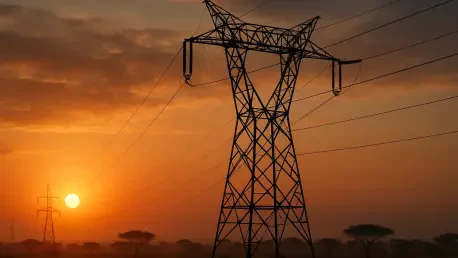

The achievement of five hundred and four consecutive days without national power outages signifies a monumental shift in South African infrastructure, effectively ending an era of economic paralysis that once stripped two percent from the national gross domestic product annually. This milestone is not merely a statistical anomaly but a reflection of a deep-seated transformation within the energy sector, marking a departure from the frequent and unpredictable rolling blackouts that previously defined daily life. For the first time in years, the national grid has demonstrated a level of reliability that matches international industrial standards, providing a much-needed foundation for sustained economic recovery. The transition from a state of constant emergency to operational predictability has fundamentally altered the trajectory of the nation.
Economic resilience has become the hallmark of this new era, as businesses that once struggled to survive under the weight of energy insecurity are now finding the breathing room to expand. The heavy financial burden of running secondary generators and the loss of perishable inventory have largely vanished from the balance sheets of local enterprises. This newfound stability allows for more accurate long-term financial planning, particularly in energy-intensive sectors such as manufacturing and mining. Consequently, the restoration of grid reliability has acted as a silent stimulus package, reinvigorating investor confidence and stabilizing the currency in a global market that once viewed the South African power crisis as a major sovereign risk.
The revitalization of Eskom, the state-owned utility, serves as the technical backbone of this success story, evidenced by the Energy Availability Factor (EAF) climbing to an impressive 68.11%. This improvement reflects an aggressive turn toward disciplined maintenance and the systematic refurbishment of aging coal-fired units that were previously neglected. By prioritizing asset health over short-term output, the utility has managed to secure a stable base load, which is now increasingly complemented by a diverse array of independent power producers. This synergy between traditional state-led generation and private enterprise has created a more robust buffer against systemic failures, ensuring that the grid remains functional even during periods of peak demand.
Transforming the Energy Landscape: From Chronic Crisis to Operational Stability
The end of the load-shedding era has prompted a comprehensive re-evaluation of how South Africa manages its primary resources, shifting the focus from survival to strategic optimization. Analyzing the significance of the 504-day milestone reveals a grid that is no longer reactive but proactive in its management of supply and demand. This shift has allowed the government to pivot its focus toward long-term policy reforms rather than daily crisis communication. The psychological impact on the citizenry and the business community cannot be overstated, as the removal of the constant threat of blackouts has fostered a renewed sense of national stability.
Moreover, the recovery of the Energy Availability Factor has been a catalyst for a broader utility revitalization that extends beyond simple repair work. Eskom has successfully reintegrated nearly 3,000 MW of capacity, which has provided the necessary headroom to conduct deep maintenance without risking the integrity of the national network. This operational shift was made possible by a rigorous management overhaul that emphasized accountability and technical excellence. The resulting stability has allowed the utility to move away from the high-cost, short-term fixes that characterized the previous decade, paving the way for a more sustainable fiscal and operational future.
The strategic segments of the energy market are now characterized by a sophisticated balance between coal-fired base loads and the rapid integration of renewable energy sources. While coal remains the bedrock of the current system, the growing influence of independent power producers has provided the flexibility needed to manage the inherent variability of the grid. This multi-pronged approach ensures that the nation is not overly reliant on any single technology, thereby mitigating the risk of large-scale disruptions. The coordination between state assets and private contributors has become a model for public-private partnerships in the region, demonstrating how shared goals can lead to collective stability.
Market Dynamics and the Shift Toward Sustainable Generation
Technical Recovery and the Decentralization of Power
The technical recovery of the national grid is grounded in a philosophy of asset optimization that has effectively eliminated the need for emergency crisis management. By returning 2,943 MW of capacity to the system through meticulous engineering interventions, the utility has created a surplus that was unthinkable only a few years ago. This surplus has allowed for a more decentralized approach to power distribution, where smaller, localized generation nodes contribute to the overall health of the network. The reduction in unplanned outages is a direct result of this disciplined maintenance regime, which has replaced the “run-to-fail” mentality of the past.
Market liberalization reforms have further accelerated this trend, leading to a sixfold increase in private renewable energy investment across the country. These reforms have dismantled the barriers that previously prevented businesses and independent producers from contributing to the national energy mix. As a result, a surge of solar and wind projects has begun to saturate the market, providing clean energy that is both cost-effective and rapidly deployable. This influx of private capital has not only diversified the energy supply but has also fostered a competitive environment that encourages technological innovation and price efficiency.
Behavioral shifts among consumers have mirrored these industrial changes, as the focus transitions from defensive energy investments to productive capacity expansion. In previous years, residential and commercial consumers spent billions on battery backups and diesel generators simply to keep the lights on; today, that capital is being redirected toward upgrading machinery and expanding operations. This transition signifies a move toward a more sophisticated energy economy where consumers are also producers, or “prosumers,” who contribute excess power back to the grid. The democratization of energy production is fundamentally reshaping the relationship between the utility and the end-user.
Growth Projections and Fiscal Performance Indicators
The financial health of the state utility has undergone a dramatic reversal, with a recorded net profit of R30.3 billion marking a return to profitability for the first time in nearly a decade. This fiscal turnaround is largely attributed to a staggering 80.49% reduction in emergency diesel expenditure, as the reliance on expensive gas turbines has been minimized. By stabilizing the coal fleet and integrating cheaper renewable sources, the utility has managed to slash its operational costs while simultaneously increasing its revenue through improved reliability. This newfound liquidity is being used to pay down debt and fund the next phase of infrastructure expansion.
However, the forecasting of energy sales presents a unique contradiction that requires careful navigation. While generation performance has improved significantly, national electricity sales have seen a slight decline as more industrial players shift toward self-generation and energy-efficient technologies. This trend suggests that while the utility is more efficient, its traditional business model must evolve to remain relevant in a more decentralized market. Reconciling this paradox involves a shift toward providing grid services and transmission infrastructure rather than just selling kilowatt-hours.
Future growth is now being supported by international development loans and private capital aimed at building a modern, flexible energy system. These projects focus on expanding the reach and capacity of the transmission network to accommodate the geographical distribution of renewable energy plants. From 2026 to 2028, the focus will remain on the implementation of smart-grid technologies that can manage the complex flow of power from various sources. These investments are critical for ensuring that the progress made during the 504-day streak is not lost to future bottlenecks in the distribution chain.
Navigating Structural Obstacles and Localized Reliability Gaps
Despite national grid stability, the distinction between a reliable high-voltage network and localized “load reduction” remains a significant hurdle for many communities. This phenomenon occurs when aging neighborhood infrastructure, such as transformers and substations, fails due to overloading or lack of maintenance. While the national “load shedding” has ceased, these localized outages remind us that the distribution network requires the same level of attention as the generation plants. Addressing these gaps is essential for ensuring that every citizen feels the benefits of the national energy turnaround.
The municipal debt burden, which currently stands at R111.6 billion, represents a looming threat to the long-term solvency of the utility and the stability of the entire sector. Local governments often collect payments from residents but fail to pass those funds on to the national utility, creating a massive fiscal hole. Strategies to manage this crisis include stricter enforcement of payment agreements and the potential for the national utility to take over distribution in defaulting municipalities. Resolving this debt issue is not just a financial necessity but a structural requirement for a functioning and fair energy market.
Grid integration challenges continue to emerge as variable renewable sources become a larger part of the centralized transmission network. The technical bottlenecks associated with connecting remote wind farms to distant urban centers require massive upgrades to the existing power lines. Overcoming these obstacles involves the deployment of large-scale battery storage and sophisticated frequency control systems that can stabilize the intermittent nature of solar and wind power. The evolution toward a more complex grid requires a level of technical coordination that is currently being developed through international partnerships and local engineering expertise.
Regulatory Evolution and the Liberalization of the Electricity Market
The transition toward a competitive wholesale electricity market has been significantly accelerated by World Bank-supported reforms designed to break the long-standing state monopoly. These reforms have introduced a new era of transparency and competition, allowing for the unbundling of Eskom’s core functions into separate entities for generation, transmission, and distribution. By creating an independent transmission company, the government has ensured that all power producers have fair and equal access to the grid. This structural separation is a prerequisite for a modern energy economy that rewards efficiency and innovation.
Policy frameworks have also evolved to provide clearer standards for independent power producers, making it easier for new players to enter the market and contribute to national security. These regulations ensure that all participants adhere to strict technical and environmental standards while providing a predictable environment for long-term investment. The unbundling process has allowed for more focused management of the transmission network, which is now being treated as a vital national asset rather than a secondary function of a generation company. This clarity in policy has been instrumental in attracting both local and foreign capital.
Compliance and security have taken center stage as the utility battles the persistent issues of illegal connections and infrastructure vandalism. In high-density provinces like Gauteng, the cost of replacing stolen copper cables and sabotaged transformers remains a significant drain on resources. Strengthening regulations and increasing the presence of specialized security task forces have become necessary steps to protect the integrity of the distribution network. By combating these criminal activities, the utility can reduce the number of localized outages and ensure that the benefits of a stable grid are shared by all law-abiding consumers.
The Future Frontier: Building a Diversified and Resilient Power Ecosystem
The critical need for massive investment in high-voltage lines has become the primary focus for the next stage of energy expansion. As the energy mix becomes more decentralized, the ability to move power from the sun-drenched Northern Cape to the industrial hubs of the northeast is essential. This expansion requires the construction of thousands of kilometers of new transmission lines, a task that will require deep cooperation between the state and private developers. Ensuring that the grid can accommodate the next wave of renewable projects is the single most important factor in maintaining long-term energy security.
Technological innovation is playing a pivotal role in this evolution, with large-scale battery storage systems and smart-grid technologies becoming increasingly common. these tools allow grid operators to store excess energy produced during the day and release it during peak demand periods, effectively smoothing out the supply curve. Furthermore, smart grids enable a more dynamic response to changes in demand, reducing the strain on the system and preventing localized failures. The integration of artificial intelligence in grid management is also being explored to predict maintenance needs and optimize the flow of electricity across the nation.
Industrial competitiveness is set to improve as sustained energy reliability repositions South Africa as a preferred destination for mining and data center investments. These industries require a constant and predictable supply of power to operate efficiently, and the current 504-day streak provides the necessary evidence that the country can meet those needs. By offering a stable and increasingly green energy profile, South Africa can attract high-tech industries that prioritize sustainability and reliability. This shift will not only drive economic growth but will also create high-skilled jobs in the burgeoning green economy.
Strategic Conclusions on South Africa’s Path to Energy Security
The stabilization of the national grid facilitated an environment where long-term planning outweighed immediate survival tactics. Decision-makers prioritized the resolution of the municipal debt crisis as a primary safeguard against future insolvency, recognizing that financial leakage at the local level undermined every technical gain made at the power stations. This realization led to the implementation of more robust revenue collection models that ensured the utility remained liquid enough to fund its own maintenance. The period of stability was used as a window to aggressively pursue the unbundling of the state monopoly, which eventually allowed for the birth of a more competitive and transparent wholesale market.
The transition away from emergency diesel usage allowed for a massive reallocation of capital toward long-term network expansion and the modernization of transmission lines. Stakeholders moved beyond the temporary relief of consistent power and began the arduous work of integrating diverse energy sources into a single, cohesive system. It was discovered that the success of the 504-day milestone was not an endpoint but a proof of concept for a new way of managing national resources. By focusing on asset health and fiscal discipline, the energy sector provided the stability necessary to anchor the wider economy during a period of global volatility.
Future strategies emphasized the necessity of maintaining operational rigor to avoid the complacency that preceded previous energy crises. The focus shifted toward building a redundant and flexible system that could withstand both technical failures and the fluctuations of the renewable energy market. International partnerships were leveraged to bring in advanced battery technologies, while domestic policy focused on protecting the grid from criminal interference. Ultimately, the lessons learned during this transformative period paved the way for a more resilient and diversified power ecosystem that supported both industrial growth and social development across the nation.