
The Paradox of Progress: Record Investment vs. Rising Emissions
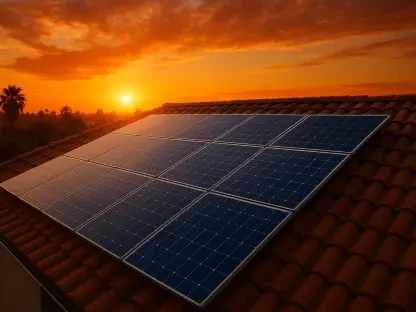
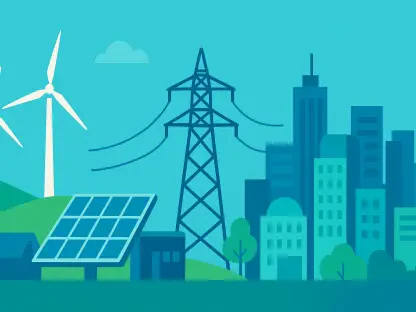
The global energy landscape in the mid-2020s has reached a historic juncture where the unprecedented speed of renewable energy deployment is being fundamentally challenged by an equally aggressive rise in worldwide power consumption. This phenomenon, frequently described as the “progress paradox,” captures a world where annual investments in clean technologies have surpassed multi-trillion-dollar thresholds while aggregate carbon emissions remain stubbornly high. Even as solar arrays and wind farms proliferate across every continent, the total volume of energy required to sustain modern civilization is expanding at a rate that threatens to neutralize these environmental gains.
The core of this challenge lies in the sheer scale of the appetite for electricity and fuel. While the transition away from fossil fuels is technically underway, it is occurring within a global economy that is not stationary. Every new gigawatt of clean energy added to the grid is effectively competing with a surge in new demand from emerging markets, digital infrastructure, and changing climatic conditions. Consequently, the central question for the current era is not whether renewable energy can grow, but whether it can grow fast enough to outpace the mounting requirements of a power-hungry world.
Tracking the Shift: From Fossil Foundations to a Two-Speed Transition
To grasp the current market dynamics, it is necessary to examine the transition from a fossil-dependent past to the present “two-speed” energy economy. For the better part of the last century, economic prosperity was inextricably linked to the combustion of coal, oil, and gas. The move away from this model began in earnest with the maturation of solar and wind technologies, which, by 2026, have become the most cost-effective options for new power generation in the vast majority of global markets. This shift represents a fundamental change in the economics of energy, where capital expenditure on technology is replacing the ongoing operational costs of fuel extraction.
However, this transition is not moving uniformly across all sectors of the economy. A distinct “two-speed” reality has emerged where the decarbonization of light-duty transportation and the power sector is accelerating, while other areas remain largely stagnant. This disparity is rooted in the long lifecycles of industrial infrastructure and the varying levels of technological readiness for different applications. While the technology for a clean power grid is largely available, the legacy systems of heavy industry and global logistics continue to rely on the high energy density and reliability of traditional carbon-based fuels.
The Friction Between Capacity and Consumption
The Surge in Demand Driven by AI and Heavy Industry
A significant driver of the current energy friction is the explosive growth of the digital economy, specifically the energy-intensive nature of artificial intelligence and global data centers. These facilities operate around the clock and require immense amounts of electricity for both computation and cooling. As businesses across all sectors integrate advanced machine learning into their operations, the resulting demand for steady, reliable power often exceeds what local renewable installations can provide. This necessitates a continued reliance on existing fossil fuel plants to maintain grid stability and prevent blackouts.
In addition to digital growth, the expansion of the industrial base in developing nations contributes heavily to rising consumption. As countries strive to improve living standards and build modern infrastructure, the demand for primary materials like steel and cement increases. These processes are inherently energy-intensive and, in many regions, are still powered by the most readily available and cheapest energy sources, which often remain fossil fuels. This means that even as developed economies might reduce their consumption, the global total continues to climb, offsetting regional progress.
The Challenged Track of Hard-to-Abate Sectors
Approximately 40% of global greenhouse gas emissions originate from what is known as the “challenged track,” comprising industries where simple electrification is not yet a viable solution. Aviation, long-haul shipping, and heavy manufacturing require high-density fuels or specific chemical reactions that renewable electricity cannot currently replicate at scale. In these sectors, the “green cost premium” remains the primary obstacle, as sustainable alternatives like green hydrogen or bio-based fuels are significantly more expensive than their traditional counterparts.
The market for these clean alternatives is also hampered by a lack of firm investment decisions. Many developers of clean industrial projects are hesitant to move forward without long-term purchasing agreements that guarantee a return on their investment. Without these commitments, the transition in heavy industry remains in a state of planning rather than execution. This delay is a critical factor in why total emissions have plateaued; the sectors that are the hardest to clean are also those that are seeing some of the most consistent growth in demand.
Infrastructure Hurdles and the Global Grid Bottleneck
Perhaps the most daunting physical obstacle to the energy transition is the state of global power grids, which have become a massive bottleneck for new projects. In the United States and Europe, the backlog of renewable energy and battery storage projects waiting for a grid connection has reached staggering proportions, often involving wait times that span several years. This lack of transmission capacity means that even when renewable projects are funded and ready for construction, they cannot contribute to the energy mix because the physical wires to carry the electricity do not exist.
Furthermore, the intermittent nature of wind and solar requires a level of grid flexibility that most current infrastructure was not designed to handle. In leading markets like China, this has led to “curtailment,” where perfectly good clean energy is wasted because the grid cannot absorb it at the time of production. The mismatch between where clean energy is generated and where it is consumed, combined with the slow pace of permitting for new transmission lines, ensures that fossil fuels remain a necessary component of the energy mix to fill the gaps.
Emerging Trends and the Road Toward 2030
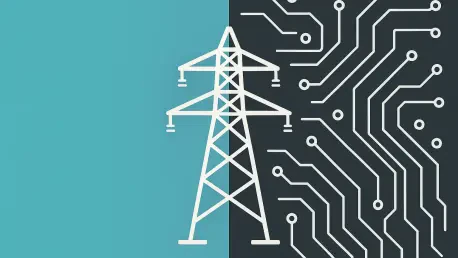
Looking toward the conclusion of this decade, the focus of the energy market is shifting from mere generation to the complex task of system integration. This involves massive investments in smart grid technology and long-duration energy storage that can stabilize the power supply when the sun is not shining or the wind is not blowing. Governments are also beginning to prioritize regulatory reform, recognizing that the speed of the transition is as much a matter of administrative efficiency as it is of technological innovation.
Technological advancements in areas like small modular reactors and enhanced geothermal systems are expected to play a larger role in providing the baseload power required by data centers and heavy industry. These technologies offer the promise of carbon-free energy that is not dependent on weather conditions. Additionally, a new emphasis on “radical efficiency” is emerging, where the goal is to reduce the overall energy intensity of the global economy through better building design, waste heat recovery, and more efficient industrial processes.
Strategies for a Successful Decarbonization Path
For the global energy transition to succeed in the face of rising demand, a coordinated strategy between the public and private sectors is essential. Businesses must look beyond simple carbon offsets and engage in direct green procurement, signing long-term contracts for sustainable materials to help bring down the cost of new technologies. By creating a guaranteed market for green steel or low-carbon shipping, the private sector can provide the financial certainty needed to scale these critical industries.
Policymakers must shift their focus toward the “unaddressed levers” of decarbonization, such as curbing methane leaks from existing oil and gas operations and protecting existing carbon sinks like forests. Simultaneously, the modernization of the electrical grid must be treated as a top-tier national security and economic priority. Streamlining the permitting process for transmission lines and supporting the development of regional energy hubs can help alleviate the bottlenecks that currently trap clean energy and prevent it from reaching consumers.
Closing the Gap Between Growth and Sustainability
The evidence from the mid-2020s indicated that the record-breaking expansion of green energy was a remarkable achievement, yet it remained insufficient to cause a definitive decline in global emissions. The analysis showed that the relentless rise in energy demand, driven by digitalization and industrial expansion, effectively absorbed much of the new clean capacity. It became clear that the technological ability to generate green power was no longer the primary constraint; instead, the limitations resided in the physical infrastructure of the grid and the high costs associated with decarbonizing heavy industry.
In the final assessment, the transition process required more than just the deployment of solar panels and wind turbines. It necessitated a fundamental realignment of how energy was distributed and consumed across the globe. Success in this area depended on the ability of international stakeholders to pair abundant clean power with aggressive efficiency measures and structural reforms. The period demonstrated that while the path to a sustainable future was visible, the speed of travel was dictated by the ability to outpace the world’s growing hunger for energy through innovation and systemic integration.