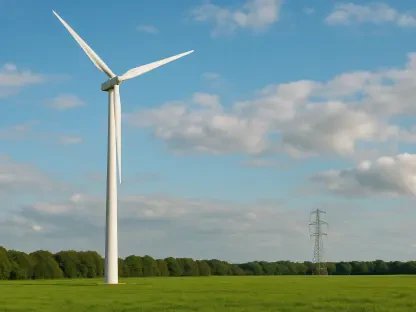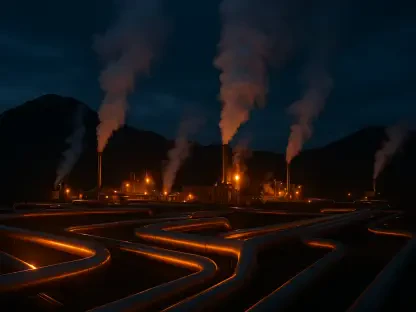

The global power architecture is currently experiencing a tectonic displacement where the traditional dominance of petro-states is being superseded by a new class of industrial titans known as electrostates. This transformation represents more than a simple swap of energy sources; it signifies a fundamental change in how national influence is projected and maintained on the world stage. In this emerging order, the possession of raw fuels like oil and gas is becoming secondary to the control over the sophisticated technologies, financial frameworks, and international standards that govern the electrification of the global economy.
China has positioned itself as the primary architect of this new era by moving aggressively to dominate the entire value chain of the energy transition. While the previous century rewarded those who controlled the flow of liquid energy through geographic chokepoints, the current landscape favors the masters of manufacturing and intellectual property. The electrostate model relies on a sophisticated integration of solar infrastructure, electric vehicle battery supply chains, and power grid innovation. By securing these sectors, Beijing has effectively mitigated the long-standing Malacca Dilemma, which historically left its energy security vulnerable to maritime blockades and foreign interference.
The Paradigm Shift from Petro-Power to Technological Supremacy
The redefinition of the electrostate involves a strategic pivot from the ownership of combustible fuel to the management of transition technology. Influence in the international system now flows from the ability to provide the hardware required for decarbonization. Consequently, the geopolitical leverage once held by resource-rich nations is declining as the ascent of manufacturing capacity and technological patents takes center stage. China recognized early that the future of power would be found in the refinement of minerals and the mass production of high-tech components rather than the mere extraction of crude oil.
This shift has created a new hierarchy where the ability to innovate and scale production defines a nation’s status. The core segments of this dominance include massive investments in solar panels, the creation of efficient lithium-ion batteries, and the development of ultra-high-voltage transmission lines. These technologies do not just provide energy; they establish a framework of dependency that ties the economic health of purchasing nations to the industrial output of the provider. As traditional fossil fuel influence wanes, the control over the electrical “nervous system” of the modern world becomes the ultimate prize in global competition.
Strategic Resilience and Market Domination in the New Energy Era
Industrial Trends and the Logic of Green Statecraft
The ongoing structural shift toward electrification serves as a critical hedge against the inherent volatility of oil prices and the vulnerability of maritime trade routes. The utility of this strategy was vividly demonstrated during the recent 2026 Hormuz crisis, where a major disruption in the Strait of Hormuz caused global oil supplies to plummet. While many nations struggled with soaring energy costs and supply shortages, China successfully utilized its massive strategic reserves and its high domestic adoption of electric vehicles to insulate its economy from the worst of the shock. This event confirmed that clean energy is no longer just an environmental aspiration but a central pillar of national security.
Green statecraft has now become the primary mechanism through which China extends its influence across the globe. By exporting its clean-tech financing and infrastructure to emerging markets, particularly in Southeast Asia, Beijing is creating a vast network of partner states that are technologically and financially aligned with its standards. These investments go beyond mere commerce; they represent the export of a specific economic model that prioritizes state-led industrial planning and renewable integration. This proactive approach ensures that as developing nations grow, their energy futures are inextricably linked to Chinese technology and expertise.
Performance Indicators and Global Market Projections
Recent data highlights the staggering scale of China’s market share in the critical components of the energy transition. Currently, the nation controls approximately 90% of the global production of polysilicon and 86% of the world’s solar modules. This near-monopoly extends into the battery sector, where Chinese firms hold a dominant position in the processing of graphite, anodes, and other essential raw materials. Such a concentration of production capacity means that any global effort to reduce carbon emissions is currently dependent on the stability and openness of the Chinese industrial complex.
The growth forecasts for the electrostate model suggest a widening gap between technology-driven powers and traditional fossil fuel dependencies. As electric vehicle sales continue to rise as a percentage of domestic demand, the requirement for global crude oil is expected to undergo a permanent decline. In China, where EV penetration has reached record levels, the reduction in oil imports is already reshaping trade balances and reducing the geopolitical premium once paid to oil-exporting regions. This trend suggests that the future global economy will be measured by its kilowatt-hour capacity and battery storage density rather than its daily barrel production.
Navigating the Bottlenecks of a Monopolistic Supply Chain
The transition to renewable energy introduces a shift from the risk of price shocks to the risk of hardware blockades. In the traditional energy era, a crisis meant higher costs at the pump, but in the electrostate age, a crisis could mean a total cessation of the hardware required to maintain a modern power grid. The challenge for the rest of the world lies in diversifying the sourcing of raw materials beyond mines and processing facilities that are largely under Chinese control. This dependency creates a new form of geoeconomic deterrence, where the threat of withholding critical rare earth elements or advanced inverters can be used to achieve political objectives.
Middle powers are increasingly finding themselves in a precarious position as they attempt to balance their climate goals with the need for strategic autonomy. To mitigate the long-term risks of hardware reliance, many are exploring local manufacturing incentives and alternative supply routes. However, the sheer lead time and capital intensity required to replicate China’s integrated supply chain mean that total independence is unlikely in the short term. The risk remains that the weaponization of technology exports could become a standard tool of statecraft, requiring a new set of international norms to prevent energy infrastructure from becoming a theater of geoeconomic warfare.
Global Regulatory Responses and the Pursuit of Strategic Autonomy
In response to these vulnerabilities, Western nations have begun to implement aggressive legislative frameworks aimed at curbing dangerous dependencies. The European Union’s Industrial Accelerator Act is a prime example of this trend, seeking to boost domestic production of critical technologies and reduce the continent’s reliance on any single foreign provider. These policies represent a difficult balancing act, as governments must meet ambitious climate deadlines while simultaneously erecting barriers to the most affordable and available technology on the market. National security considerations are now frequently overriding the pure economic efficiency of globalized trade.
Legislative shifts are also focusing on the establishment of rigorous compliance and security standards for energy infrastructure. There is a growing consensus that the components powering the grid—such as sophisticated software-driven inverters and smart meters—must be free from foreign interference. This has led to a focus on securing chokepoint technologies, including advanced semiconductors and refined minerals. By prioritizing selective independence, Western powers hope to build a more resilient energy foundation that can survive diplomatic tensions without collapsing. This move toward regionalized supply chains marks the end of the hyper-globalized era of renewable energy.
The Future of Geopolitics in a Decarbonized World
The emergence of geoeconomic deterrence is fundamentally changing the nature of international power, often replacing traditional naval strength as the primary means of exerting influence. In a world where the primary energy source is the sun and wind, the ability to blockade a harbor becomes less relevant than the ability to disable a software-defined grid or cut off a supply of specialized magnets. Potential market disruptors, such as the commercialization of solid-state batteries or next-generation solar cells with higher efficiency, could eventually shift the balance of power again. These innovations offer a potential path for latecomers to bypass existing monopolies and establish new centers of technological gravity.
The evolution of consumer behavior in emerging economies is further accelerating the move toward an all-electric transport sector. As the cost of Chinese-made EVs continues to drop, the adoption rate in Africa, Latin America, and Southeast Asia is projected to outpace earlier expectations. This rapid shift creates a dilemma for Western powers: they must decide whether to compete directly by building a parallel, and likely more expensive, supply chain or to accept a world where the infrastructure of the future is built on a Chinese foundation. The outcome of this competition will determine whether the 21st century remains a period of shared technological progress or one of fragmented, competing energy blocs.
Concluding Perspective on the Electrostate Ascendancy
The analysis of the current energy landscape demonstrated that China successfully integrated its climate policy with its most critical national security objectives. The transition from a resource-driven power structure to a technology-driven influence model proved to be the most significant geopolitical development of the current decade. It was observed that the 2026 Hormuz crisis functioned as a definitive catalyst, proving that electrification offered a level of economic insulation that fossil fuels could never provide. The report found that the concentration of manufacturing and refining capacity in a single state created a new form of global dependency that required immediate strategic attention from all international actors.
Global policymakers and investors were advised to prioritize the diversification of renewable energy assets to prevent a total reliance on a single supply source. The findings indicated that the pursuit of green energy statecraft became a necessity for future economic survival rather than a voluntary choice. It was concluded that while the era of petro-power had largely passed, the new electrostate age brought its own set of complex challenges regarding hardware security and intellectual property. The shift in global leadership confirmed that the most influential nations were no longer those with the most oil in the ground, but those with the most advanced factories and the most resilient grids.