
A Structural Pivot: Analyzing the New Energy Landscape
The year 2026 stands as a definitive milestone in the history of global energy as China successfully decoupled its industrial expansion from the carbon emissions that once fueled its rise. Recent economic data confirms a historic shift where national carbon emissions have entered a documented decline, even as the total demand for electricity continues to grow. This phenomenon suggests that the world’s largest energy market has reached a critical tipping point where renewable energy capacity is no longer just a supplement to the grid but the primary engine for incremental growth. By observing the trends through August 2026, it is clear that a profound reorganization of the national energy landscape is underway, marked by a cooling of traditional heavy industries and a rapid ascent of the green technology sector.
This structural pivot carries immense implications for global climate goals and international trade dynamics. For the first time, the expansion of solar, wind, and hydropower has reached a scale sufficient to fully absorb the rise in power consumption, effectively displacing the need for additional fossil fuel combustion in the utility sector. The current trajectory suggests that the carbon intensity of the national economy is falling at an accelerated rate, driven by a strategic move toward high-tech manufacturing and clean energy security. This article explores the multifaceted reasons behind this transition, analyzing how a combination of industrial stagnation in “old economy” sectors and explosive growth in “new economy” technologies is reshaping the environmental footprint of the world’s most significant emitter.
Historical Context: The Long Road to Green Security
For the better part of the last three decades, the narrative of economic progress in China was inseparable from the expansion of coal-fired power and heavy infrastructure. This carbon-intensive model was the bedrock of a rapid urbanization process that saw the construction of entire cities, high-speed rail networks, and massive industrial hubs. Historically, any uptick in the gross domestic product was mirrored by a corresponding spike in greenhouse gas emissions, as the energy required for steel and cement production relied almost exclusively on fossil fuels. However, this “growth at any cost” era began to reach its logical limits as environmental concerns and energy security priorities forced a revaluation of the national development strategy.
Over the past five years, the transition toward a low-carbon economy has been accelerated by a series of foundational policy shifts, most notably the implementation of the 14th and 15th Five-Year Plans. These strategic documents prioritized the development of massive renewable energy bases in the western regions and the electrification of the domestic transportation sector. These efforts were designed to reduce reliance on imported hydrocarbons while positioning the country as a global leader in clean-tech manufacturing. The current decline in emissions is the cumulative result of these long-term investments, reflecting a move away from fixed-asset investment toward a model centered on sustainability and high-quality growth.
The Decoupling: How Economic Growth and Carbon Emissions Diverged
Renewables: Surpassing Total Incremental Power Demand
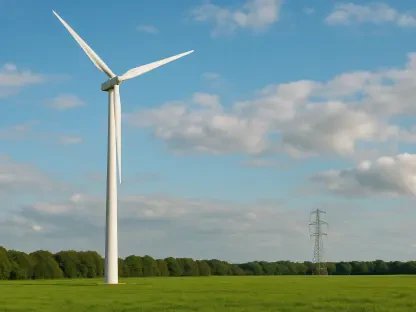
A critical revelation in recent energy market data is the second consecutive monthly decline in coal-fired power generation, which dropped by 5.2% year-on-year. This reduction is particularly striking because it occurred during a period when total electricity demand actually grew by approximately 0.6%. The gap between rising demand and falling fossil fuel usage was bridged by a massive surge in zero-carbon energy sources. Solar power generation saw a remarkable 17.1% increase, while wind energy recovered from previous seasonal lulls with a 6.9% gain. When combined with steady contributions from nuclear and hydropower, the grid demonstrated a newfound capacity to meet all new consumption needs through clean sources alone.
This shift indicates that the national power grid has reached a “decoupling” point where economic activity no longer dictates an automatic rise in emissions. The diversification of the energy mix has allowed for the displacement of thermal power, particularly as hydropower and nuclear generation saw year-on-year gains of 3.1% and 9.4% respectively. While gas-fired power generation did see a slight uptick, its overall contribution to the energy mix remains marginal, ensuring that the net emissions profile continues to trend downward. The ability of the grid to manage this transition while maintaining reliability highlights the successful integration of intermittent renewables and the maturation of energy storage technologies.
Industrial Cooling: The Contraction of the Real Estate Engine
The decline in national emissions is also heavily influenced by a sharp and persistent contraction in traditional heavy industrial sectors. Cement production, which serves as a primary indicator of the health of the real estate and infrastructure markets, plummeted by 11.7% in August 2026, reaching its lowest level in over six years. Similarly, crude steel and pig iron outputs saw significant reductions as the demand for construction materials continued to wane. These industries have long been the most significant contributors to the national carbon footprint, and their current stagnation reflects a broader strategic pivot away from a property-driven economic model.
As the “building” phase of national development slows, the energy intensity of the industrial sector naturally follows suit. The cooling of the property market has created a structural surplus in materials like steel and cement, leading to a retraction in high-emission manufacturing activities. While some sectors like non-ferrous metals have remained resilient, they do not carry the same carbon-heavy burden as the blast furnaces of the steel industry. This transition suggests that the peak in industrial emissions may have already passed, as the economy shifts its focus toward lighter, higher-value manufacturing and service-oriented sectors that require significantly less energy per unit of output.
Market Volatility: Fossil Fuel Retraction and Logistics
External factors and shifting supply chain dynamics have further suppressed the reliance on fossil fuels. Domestic coal output fell by 7.7%, reflecting both a reduction in demand from the power sector and a strategic move to manage domestic reserves. Furthermore, crude oil imports saw a dramatic 23% reduction, a dip that is partly attributed to logistical disruptions in global shipping routes and partly to the rapid electrification of the national fleet. While refinery throughput showed some signs of recovery from previous lows, it remains significantly below historical averages, suggesting that the slowdown in liquid fuel demand is a structural rather than a temporary trend.
The rapid adoption of electric and hybrid vehicles has significantly altered the demand curve for petroleum products. As the transport sector moves away from internal combustion engines, the necessity for massive crude oil imports and high-volume refining has diminished. This reduction in oil demand is a cornerstone of the national strategy to improve energy independence while simultaneously meeting climate targets. Although geopolitical volatility in regions like the Strait of Hormuz has created short-term supply challenges, the underlying trend toward electrification ensures that the national economy is increasingly insulated from global oil market shocks.
Paradoxical Growth: Innovation and Coal Capacity Strategies
As the domestic market looks toward the end of the current decade, the clean-tech sector is emerging as a primary economic driver. Battery production recently surged by 70%, fueled by the burgeoning energy storage market and a robust export strategy that targets global demand for green technology. Furthermore, New Energy Vehicles now account for over 60% of all vehicles manufactured within the country. However, a notable paradox remains: despite falling coal generation, the country is adding new coal capacity at the fastest rate seen in 15 years. This dual-track approach suggests a complex strategy where coal is transitioning from a primary energy source to a strategic insurance policy.
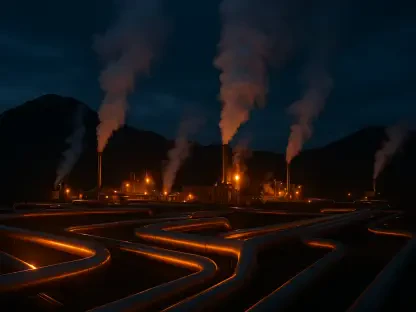
This additional thermal capacity is intended to provide “firming” power, ensuring grid stability as the share of intermittent solar and wind power increases. By maintaining a fleet of modern coal plants that can be ramped up or down, policymakers aim to prevent the kind of power shortages that could disrupt industrial productivity. While the presence of new coal infrastructure may seem contradictory to climate goals, the data shows that these plants are being used less frequently. This suggests a future where the role of coal is relegated to emergency backup and peak-shaving, rather than acting as the backbone of daily electricity generation.
Strategic Implications: Navigating the Export-Led Transition
The current energy data suggests that a successful transition has occurred from being a massive consumer of energy technology to becoming the world’s dominant supplier of green solutions. For international businesses and policymakers, the takeaway is that this transition is increasingly permanent and driven by an export-led growth strategy. Organizations should prepare for a global marketplace characterized by an abundance of high-quality, low-cost green technologies, ranging from advanced battery systems to high-efficiency solar cells. This shift will likely redefine global supply chains and force a revaluation of industrial competitiveness in the renewable energy sector.
Furthermore, the contraction in heavy industry implies a significant shift in global commodity demand. As the demand for iron ore and metallurgical coal in the traditional manufacturing heartland softens, global markets must adjust to a new reality where “green manufacturing” is the primary driver of value. Professionals in the energy and manufacturing sectors must adapt to a landscape where carbon efficiency is a prerequisite for market access. The focus is shifting toward the production of high-value components for the energy transition, ensuring that the industrial sector remains a source of economic strength even as its carbon footprint continues to shrink.
Future Pathways: Lessons From the 2026 Transition
The findings from August 2026 confirmed that the transition toward a cleaner power mix was both measurable and resilient. Although coal capacity additions continued throughout the year, the operational use of thermal power declined as clean energy reached a critical mass. This period established that the expansion of green manufacturing could provide a new foundation for economic growth while simultaneously lowering the national carbon footprint. Stakeholders who anticipated these shifts positioned themselves to benefit from a global market where carbon intensity became a primary metric for industrial competitiveness.
The data also showed that the cooling of the real estate sector provided a necessary breathing room for the energy transition by lowering the overall demand for carbon-heavy materials. While the buildup of backup coal capacity remained a point of strategic debate, the actual generation figures suggested that renewables were more than capable of handling the incremental load of a growing economy. Ultimately, the successful displacement of fossil fuels by green energy sources during a period of structural economic change served as a blueprint for other nations. These developments suggested that the future of global power would be defined by the strategic integration of intermittent resources and a move away from the traditional industrial models of the past.