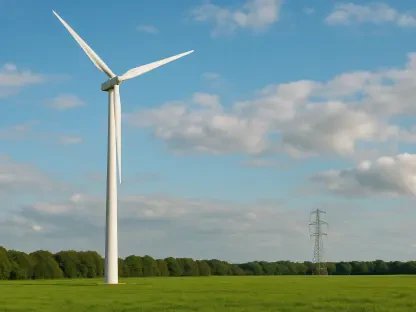

The spectacle of a modern industrial economy fueled almost entirely by the rays of the sun and the movement of the wind is no longer a distant theoretical model for the Australian continent. The National Electricity Market (NEM) is currently undergoing a rapid structural transformation as it pivots away from its centralized, coal-fired heritage. This shift involves moving toward a highly decentralized architecture where power no longer flows in a single direction from a few large plants to many consumers.
Major stakeholders, led by the Australian Energy Market Operator (AEMO), navigate this volatile landscape alongside private utilities that are investing heavily in utility-scale wind and solar assets. The true disruptor remains “behind-the-meter” rooftop solar, which has effectively turned millions of Australian homes into active power stations. This decentralized generation forces a rethink of how the grid operates during periods of high supply and low demand.
Regulatory frameworks are currently struggling to balance system security with aggressive carbon-neutral ambitions. Maintaining grid stability requires a total rethink of operational protocols as the system transitions toward a future where the primary energy sources are variable and weather-dependent. Policymakers are focused on ensuring that the move to clean energy does not compromise the reliability of the nation’s power supply.
Analyzing the 80 Percent Milestone and Market Dynamics
Emerging Trends in Generation and Consumption
Recent data highlights a paradigm shift where record-breaking rooftop solar production often meets more than half of the total native demand. This phenomenon leads to intervals of low operational demand, where the centralized grid barely needs to provide any power to consumers. Such trends are becoming increasingly common during mild spring and autumn days when heating and cooling requirements are minimal.
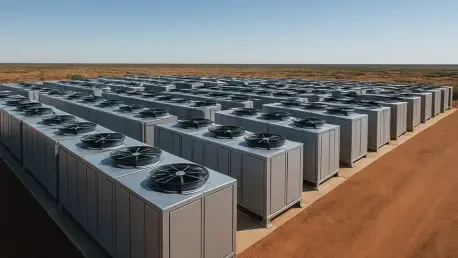
Managing these low-demand intervals requires a new level of operational sophistication to keep the system stable. Flexible loads, such as massive battery fleets and pumped hydro facilities, have become essential for absorbing excess energy during the day to prevent system instability. This shifting paradigm ensures that renewable energy is stored and utilized rather than simply lost.
Market Performance and Growth Projections
The historic peak of 80.5 percent renewable penetration serves as a statistical proof of concept for high-clean-energy operation in a modern economy. This milestone was achieved during a weekend when favorable weather conditions aligned with lower industrial consumption. It demonstrated that the physical infrastructure can indeed support massive influxes of variable renewable energy under the right conditions.
Forecasts suggest that these high-renewable intervals will become the norm during the 2026 to 2028 period as more capacity comes online. Sustained high penetration carries significant economic implications, potentially lowering wholesale prices while simultaneously stressing the financial viability of aging coal plants. The market is now preparing for a future where clean energy dominates the generation mix for most of the year.
Overcoming Structural and Technical Hurdles
Despite the abundance of green energy, a curtailment crisis exists where gigawatts of clean power are throttled because the grid cannot absorb it. This inefficiency occurs when potential generation exceeds the system’s current capacity to transport or store that energy effectively. Addressing this requires significant investment in transmission lines to move power from sunny and windy regions to urban centers.
Aging coal-fired plants present a significant hurdle due to their inherent thermal minimums. These units cannot be dialed down below a certain point without being shut off entirely, a process that takes days to reverse. This creates a rigid floor in the generation mix that often forces renewable energy out to maintain the base load required by the machines.
Beyond physical generation, an engineering gap remains regarding system strength, voltage control, and inertia. Strategic solutions are now focusing on deploying grid-forming inverters and advanced storage systems that can mimic the stabilizing properties of traditional spinning generators. These technologies are vital for maintaining a steady frequency as the grid moves away from heavy rotating machinery.
Navigating the Regulatory and Security Landscape
Compliance and system security mandates currently dictate that a certain baseline of thermal generation remains online at all times. These rules exist to provide a safety net for the grid, but they often conflict with the goal of maximizing renewable energy utilization. Balancing these technical requirements with environmental targets remains one of the most complex tasks for market regulators.
Modernizing grid codes is an urgent priority to accommodate variable renewable energy more fluidly. This includes redesigning market incentives so that battery participation and load shifting become more lucrative for private investors. By rewarding flexibility, the regulator aims to create a more responsive system that can handle the inherent variability of wind and solar.
As the grid becomes more decentralized and reliant on digital communication, cybersecurity has moved to the forefront of national security concerns. Protecting a distributed network of millions of small-scale assets requires a more robust defense strategy than the old centralized model. Ensuring infrastructure resilience against both physical and digital threats is now a primary focus for utility operators.
The Road to 100 Percent: The Future of Australian Energy
Achieving the final stretch of the transition will depend on integrating advanced software for real-time grid management. Digital twins and AI-driven forecasting are becoming necessary tools to predict weather patterns and demand fluctuations with granular accuracy. These technologies allow operators to make split-second decisions to balance the grid as cloud cover or wind speeds change.
Potential disruptors like Virtual Power Plants (VPPs) and electric vehicle integration are set to transform the grid into a giant, bidirectional battery. These technologies allow for a more resilient system where energy stored in cars can support the network during peak evening periods. This evolution turns consumers into active participants in the energy market, further decentralizing the power structure.
The global significance of Australia’s energy transition cannot be overstated, as it serves as a high-stakes proof-of-concept for other nations. Future growth areas like green hydrogen production and large-scale industrial electrification offer a way to soak up the vast surpluses of renewable energy. This transition not only cleans the power grid but also provides a blueprint for decarbonizing heavy industry.
Final Assessment of Australia’s Clean Energy Prospects
The milestone of 80 percent renewable penetration provided invaluable lessons about the capacity of decentralized energy systems to power a major economy. It revealed that while the hardware for a clean future was already largely in place, the integration mechanisms required more development to handle such high volatility. This experience shifted the focus from merely adding more solar panels to improving the intelligence of the network.
Bridging the gap between generation potential and grid integration necessitated a rapid shift toward storage and smart-grid technologies. Recommendations emerged to prioritize the installation of grid-forming assets and to streamline the retirement of inflexible thermal units to make room for cleaner alternatives. These actions helped align the physical reality of the grid with the economic incentives of the energy market.
The final mile of the energy transition proved to be more of an engineering and regulatory challenge than a resource problem. The experience gained during these record-breaking intervals clarified the path toward a 100 percent renewable grid by highlighting exactly where structural weaknesses remained. Australia’s journey demonstrated that a zero-carbon grid was achievable through sustained innovation and strategic infrastructure investment.