
The tectonic plates of European commerce have shifted so significantly that the once-discretionary choice to buy green has now solidified into an inescapable legal mandate for every public entity. This structural transformation within the European Union and Ireland signals the end of an era where sustainability was a peripheral consideration in public tenders. Currently, in 2026, the focus has pivoted toward a highly regulated compliance framework that utilizes the immense purchasing power of the state to drive the objectives of the European Green Deal. The goal of reaching climate neutrality by 2050 is no longer a distant aspiration but the primary driver of every significant contract awarded across the continent.
The Transformation of European Public Purchasing Power
The shift from discretionary green initiatives to mandatory legal obligations marks a decisive moment for European contracting authorities. Under the current regulatory climate, public procurement is the primary strategic lever for achieving the EU goal of climate neutrality. This transition represents a fundamental move away from the traditional model of awarding contracts based solely on the lowest price toward a more sophisticated, value-based system. This modern framework prioritizes long-term environmental outcomes and compliance with strict ecological standards, ensuring that public money supports the broader transition to a low-carbon economy.
Navigating this transition requires a deep understanding of the diverse stakeholders involved, ranging from EU-level policymakers to local contracting authorities and international market participants. Market players must now prove their environmental credentials to even participate in the bidding process. This change is not merely about environmental protection; it is about industrial strategy. By mandating green criteria, the EU is effectively creating a captive market for sustainable innovation, rewarding companies that have invested in decarbonization and circular business models.
Key Drivers and Market Dynamics of the Green Shift
Emerging Trends and Technological Integration in Procurement
The integration of the “Made in Europe” ethos into purchasing decisions has become a cornerstone of industrial resilience in 2026. Public authorities are increasingly favoring supply chains that demonstrate not only environmental sustainability but also economic sovereignty and security of supply. Technologies such as 3D printing and advanced remanufacturing are being standardized through updated Construction Products Regulations. These technological advancements allow for more efficient use of materials and a significant reduction in waste during the construction of permanent public works.
Furthermore, evolving consumer and taxpayer expectations are exerting pressure on public bodies to provide transparent, circular, and eco-friendly supply chains. Citizens now demand to know the carbon footprint of the infrastructure and services funded by their taxes. This social contract has forced a shift toward procurement processes that document every stage of a product’s life. Consequently, transparency is no longer just a legal requirement for fairness; it is a tool for public accountability in the face of the ongoing climate crisis.
Market Projections and the Impact of Life-Cycle Costing
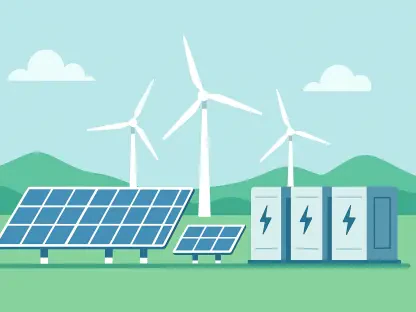
Market projections for green technology sectors show aggressive growth, heavily influenced by the mandates of the Net Zero Industry Act. This legislation ensures that essential technologies like solar panels, wind turbines, and energy storage systems meet minimum sustainability criteria before they can be procured for public projects. The shift in 2026 toward mandatory Life-Cycle Costing (LCC) has replaced the outdated focus on upfront price evaluation. LCC allows authorities to account for the total cost of ownership, including energy consumption, maintenance, and end-of-life disposal or recycling.
The economic impact of the Ecodesign for Sustainable Products Regulation (ESPR) is also reshaping the marketplace by introducing mandatory criteria for the durability and repairability of almost all physical goods. This regulation prevents the procurement of short-lived, disposable products that would otherwise increase long-term costs and waste. By favoring products that are built to last and easy to repair, contracting authorities are driving a market-wide shift toward a circular economy, which is projected to yield significant financial savings over the coming decade.
Obstacles in Moving Toward Mandatory Sustainability
Harmonizing cross-border procurement standards remains a complex challenge, even under a single Public Procurement Act. Differences in national implementation and local market conditions can create friction for companies trying to operate across multiple EU member states. Moreover, the judicial landscape is becoming increasingly demanding, as seen in rulings like the Coolglass case. This precedent requires public bodies to demonstrate real, substantive, and documented engagement with climate goals, meaning that vague promises of sustainability are no longer sufficient to withstand legal scrutiny.
Overcoming administrative burdens is another hurdle, as many contracting authorities still lack access to standardized sustainability data. The process of verifying environmental claims can be resource-intensive, often requiring specialized expertise that may not be available within smaller procurement teams. To address this, there is a growing reliance on automated data platforms and standardized environmental product declarations. These tools are essential for reducing the complexity of the procurement process and ensuring that sustainability evaluations are based on objective, verifiable information rather than subjective assessments.
Navigating the EU and Irish Regulatory Landscape
The consolidation of the 2014 directives into a unified EU Public Procurement Act has streamlined the regulatory landscape, providing a clearer roadmap for compliance. This move toward a single regulation ensures that sustainability and industrial resilience are consistent requirements across all strategic sectors. Specific mandates, such as the Batteries Regulation and the Energy Efficiency Directive, further refine these requirements by setting high-performance benchmarks for specific product categories. Public tenders that exceed certain financial thresholds must now strictly adhere to the “energy efficiency first” principle.
In Ireland, the statutory duty under the Climate Action Act has been reinforced by the mandatory requirements of Circular 17/2025. This circular moved Green Public Procurement from a voluntary strategy to a compulsory action plan, requiring the integration of green criteria into every stage of the tender process. The use of enforceable Key Performance Indicators (KPIs) and rigorous documentary record-keeping is now essential for ensuring legal compliance. Public bodies are legally required to prove how their purchasing decisions align with national climate targets, leaving little room for administrative shortcuts.
The Future Roadmap of European Sustainable Procurement
Looking ahead at the regulatory calendar from 2026 to 2028, the upcoming Industrial Accelerator Act is expected to introduce even stricter low-carbon thresholds for high-impact materials like steel and concrete. These materials are responsible for a significant portion of industrial emissions, and the new rules will force a rapid transition toward greener production methods. Additionally, the anticipated Circular Economy Act will likely set mandatory procurement targets for member states, focusing specifically on the reuse and recycling of components within public infrastructure projects.
Innovation and global economic conditions will continue to shape the next generation of thresholds for low-carbon regulations. As green technologies become more affordable and widely available, the legal “floor” for sustainability will continue to rise. This creates a dynamic regulatory environment where contracting authorities must remain proactive to keep pace with changing standards. The next phase of procurement will likely focus on biodiversity and water stewardship, expanding the definition of sustainability beyond carbon emissions to include a more holistic view of environmental health.
Conclusion: Securing a Resilient and Carbon-Neutral Economy
The transition toward a mandatory legal standard for sustainable procurement represented a fundamental shift in how the European Union utilized its economic resources. Contracting authorities that succeeded during this period were those that moved beyond the “lowest price” mindset and integrated climate impact into every procurement decision. They recognized that legal compliance required rigorous documentation and a proactive stance on environmental risk management. This approach not only satisfied judicial requirements like those established in the Coolglass case but also ensured that public spending actively contributed to the resilience of the European economy.
Authorities that thrived invested heavily in training and data integration to manage the complexities of life-cycle costing and new industrial regulations. They established robust internal frameworks that prioritized long-term value over immediate savings, which ultimately secured more sustainable and durable infrastructure. These organizations turned the challenge of administrative burden into an opportunity for operational excellence, demonstrating that procurement could be a powerful catalyst for market transformation. The integration of these green standards provided a stable foundation for a carbon-neutral future, proving that sustainability was the only viable path for long-term economic stability.