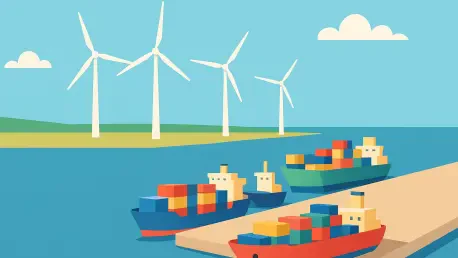
The transition toward localized manufacturing ensures that the economic benefits of renewable energy projects remain within the communities hosting the infrastructure. As the demand for sustainable energy alternatives accelerates globally, the Port of Montrose is emerging as a critical nexus for
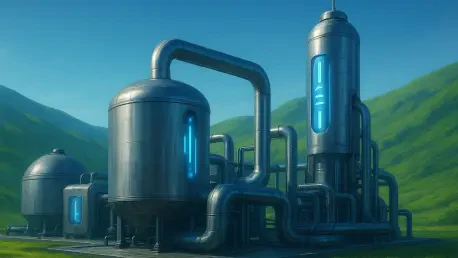
The successful prevention of 173,000 tonnes of CO2 equivalent emissions demonstrates the environmental value of WAGABOX technology despite the financial strain of global scaling. During the first half of 2026, Waga Energy reported a significant surge in operational output, with renewable natural
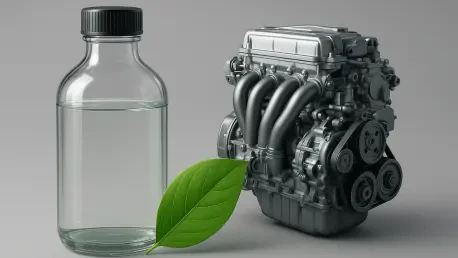
Proponents of renewable ethanol argue that domestic liquid fuels are essential for balancing industrial survival with the urgent requirements of the Green Deal’s climate goals. As the European Union moves through the critical mid-point of this decade, the debate over the future of the automotive
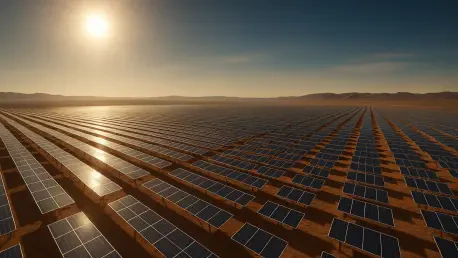
The widening gap between well-funded commercial agribusinesses and small-scale farmers remains a primary hurdle in the equitable distribution of water conservation technologies across rural provinces. This internal friction highlights the complex reality of a nation that sits at a precarious
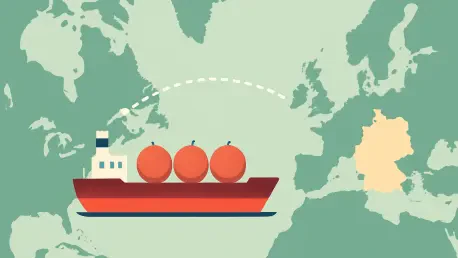
Germany's reliance on the Strait of Hormuz for energy imports has become a critical vulnerability, prompting a strategic pivot toward the Atlantic energy trade with Canada. This shift follows years of escalating volatility in the Middle East and the persistent need to fully decouple from high-risk

Biogas technology offers a critical technical bridge for the 2.4 billion people globally who currently lack access to clean, modern cooking facilities. In the year 2026, the struggle to transition from traditional biomass to sustainable, renewable energy remains a defining challenge for the Global