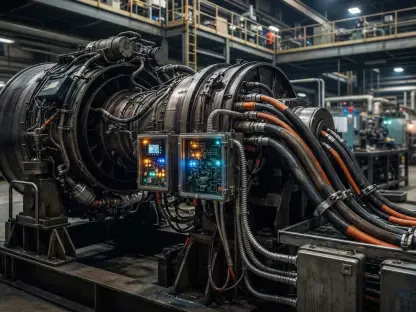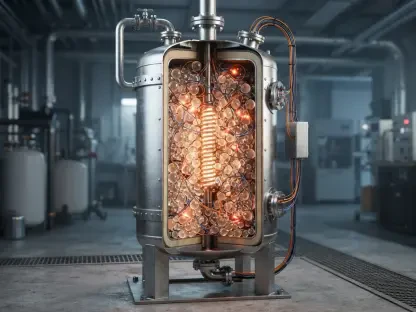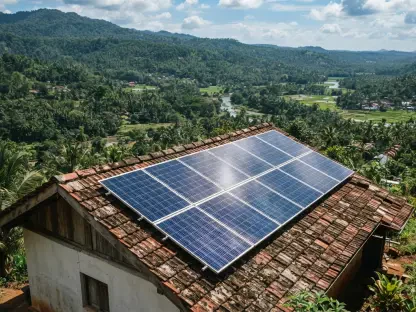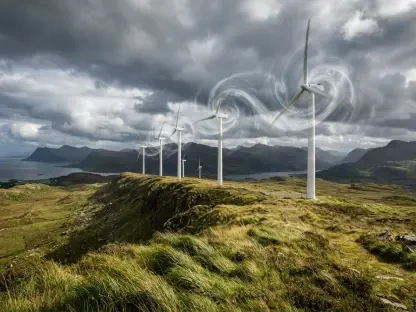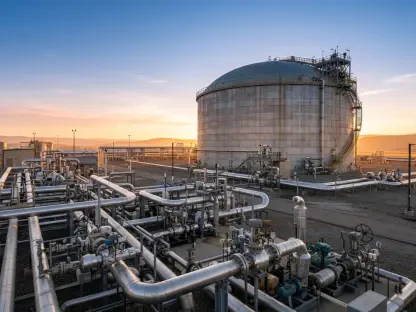

Biomass feedstocks currently dominate the green methanol sector, accounting for over 87% of the market valuation due to the widespread availability of organic residues. This dominance reflects a broader industrial pivot as the global energy landscape undergoes a historic transformation toward sustainable alternatives. In 2025, the market was valued at approximately $2.54 billion, but recent intelligence suggests a massive expansion is underway, with projections pointing toward a valuation exceeding $25 billion by 2033. This growth trajectory is not merely incremental; it signals a fundamental shift in industrial priorities, moving green methanol from a niche experimental fuel to a primary pillar of the circular carbon economy. As production moves from small-scale pilot plants to massive commercial facilities, the industry is increasingly anchored by long-term supply agreements. These contracts provide the revenue visibility necessary for large-scale project financing, demonstrating a market maturity that was absent just a few years ago. By leveraging both bio-methanol and e-methanol pathways, global manufacturers are creating a robust supply chain capable of supporting the rigorous demands of international trade and heavy industry.
The Maritime Catalyst: Navigating Regulatory Pressure
Driving Demand: The Role of Shipping Innovation
The global shipping industry currently stands as the most influential engine for green methanol adoption, driven by an urgent need to abandon traditional heavy fuel oils. Large container lines, ferry operators, and car carrier owners have increasingly committed to dual-fuel vessels to meet ambitious sustainability targets. By late 2026, the maritime landscape includes more than 150 methanol-capable vessels in active operation, with nearly 300 additional ships on order or in various stages of construction. These vessels are engineered with the flexibility to run on either conventional marine fuels or green methanol, allowing shipowners to navigate the current transition period without risking operational downtime. This adaptability is crucial for maintaining global supply chains while gradually phasing out carbon-heavy energy sources. The maritime sector’s embrace of this technology provides a clear signal to fuel producers that a stable and growing market exists for high-volume green methanol production.
Methanol offers a distinct logistical advantage over other alternative fuels because it remains in a liquid state at ambient temperatures. This physical property significantly lowers the barrier to infrastructure adoption compared to cryogenic alternatives such as liquefied natural gas or hydrogen. Existing bunkering equipment and storage tanks can be modified for methanol use with relatively low capital expenditure, making it an attractive option for port authorities and terminal operators. Consequently, major shipping hubs are rapidly retrofitting their facilities to accommodate methanol bunkering, ensuring that vessels can refuel along the world’s most critical trade routes. This practical compatibility with current maritime logistics accelerated the fuel’s adoption, as it avoids the massive engineering hurdles associated with high-pressure or ultra-low-temperature storage. As more shipping giants finalize their fleet renewal programs, the demand for certified green methanol is expected to outpace current supply capacities, creating a lucrative environment for early-movers in the production space.
The Influence: International Policy Frameworks
Stricter environmental mandates are forcing the hand of industrial players across the globe, creating a regulatory environment that favors green fuels. In Europe, the “FuelEU Maritime” initiative and the integration of shipping into the European Union Emissions Trading System have fundamentally changed the economics of maritime fuel. These regulations impose financial penalties on carbon-heavy fuels, making the price of traditional marine gas oil less competitive compared to certified bio-methanol and e-methanol. By creating a financial floor for carbon costs, European policymakers have provided the certainty required for shipping lines to sign decade-long offtake agreements. These policies do not just encourage green fuel use; they make it a financial necessity for any company wishing to maintain access to major European ports. This regional leadership has set a precedent that other jurisdictions are beginning to follow, standardizing the expectations for carbon intensity in global shipping operations.
On a broader scale, the International Maritime Organization continues to work toward a comprehensive net-zero framework that will define the future of global shipping. Although specific timelines for these global mandates are still under negotiation among member states, the industry has already begun proactive adjustments. Many shipping companies are looking beyond mere compliance, aiming to achieve net-zero status ahead of international deadlines to secure a competitive advantage in a carbon-conscious market. This anticipation of future regulations has triggered a wave of investment in green methanol production and vessel technology. As the framework for carbon credits and fuel standards becomes more defined at the international level, the risk associated with these large-scale investments decreases. The alignment between regional policies and global goals ensures that the transition to green methanol is not a temporary trend but a long-term structural change in how the world moves goods across oceans.
Feedstock Trends: Technological Shifts in Production
The Dominance: Biomass and Waste Utilization
Biomass remains the primary feedstock for the green methanol sector, primarily due to the widespread availability of organic residues and the maturity of gasification technology. By utilizing municipal solid waste, agricultural residues, and forestry byproducts, producers can address the dual challenges of waste management and carbon reduction. This waste-to-fuel pathway is particularly effective because it taps into existing waste streams that would otherwise contribute to methane emissions in landfills. The process of converting these organic materials into synthesis gas and subsequently into methanol has been refined to the point of high industrial efficiency. This technical maturity allows bio-methanol facilities to scale up more rapidly than newer electrolytic technologies, providing the volume necessary to satisfy the initial surge in demand from the maritime and chemical sectors.
Beyond standard agricultural waste, the industry has found success in utilizing specialized industrial byproducts such as black liquor from the pulp and paper industry. This integration allows paper mills to diversify their revenue streams while reducing their own environmental impact, creating a symbiotic relationship between traditional manufacturing and the new energy economy. Additionally, the use of sewage sludge and other urban organic waste is becoming more common as cities seek sustainable disposal solutions. These diverse feedstock options ensure that bio-methanol production can be localized near major urban or industrial centers, reducing the transportation costs associated with moving raw materials. As long as organic waste remains a consistent byproduct of human activity and industrial production, biomass-based methanol will likely maintain its significant market share, providing a reliable foundation for the global green fuel supply.
The Rise: E-Methanol and Carbon Capture
While biomass currently leads the market, the e-methanol segment is the fastest-growing technological pathway in the sector. This process involves the synthesis of green hydrogen—produced via electrolysis using renewable electricity—with captured carbon dioxide. The projected compound annual growth rate for carbon capture and storage technologies exceeds 50%, highlighting the massive future shift toward synthetic fuels. As the cost of solar and wind power continues to decline and electrolyzer efficiency improves, e-methanol is becoming an increasingly viable alternative to bio-based fuels. The ability to produce fuel using only water, air, and renewable energy offers a scalable solution that is not limited by the availability of organic waste. This makes e-methanol particularly attractive for regions with high renewable energy potential but limited agricultural or forestry resources.
Innovative “hybrid” production models are also emerging as a way to maximize output and efficiency. By adding green hydrogen to the syngas derived from biomass gasification, producers can significantly increase the volume of methanol produced from the same amount of organic feedstock. This approach leverages existing gasification infrastructure while incorporating the benefits of green hydrogen, effectively bridge-gapping the transition from bio-methanol to pure e-methanol. These hybrid plants are often more economically resilient, as they can adjust their production methods based on the current cost of electricity or the availability of biomass. Furthermore, the development of direct air capture technology promises to provide a nearly limitless supply of CO2 for e-methanol synthesis, potentially decoupling fuel production from industrial emission sources. This technological evolution is critical for achieving the massive scales required to fully replace fossil-based methanol in the global economy.
Industrial Applications: Chemical Derivatives and Fuel
Beyond Fuel: Green Methanol in Chemistry
Green methanol is proving to be far more than just a replacement for marine diesel; it is a vital building block for the global chemical industry. A significant portion of the market is dedicated to the production of formaldehyde, which serves as a critical component in resins, coatings, and insulation materials. As the construction and automotive sectors face increasing pressure to lower their lifecycle carbon footprints, the demand for green chemical precursors has risen sharply. By replacing fossil-derived methanol with its green counterpart, manufacturers can offer low-carbon products to consumers without changing their existing production processes. This “drop-in” capability is essential for industrial decarbonization, as it avoids the need for massive capital investment in new manufacturing equipment. The chemical sector’s shift toward green methanol provides a stable and diversified demand base that complements the more volatile fuel market.
The versatility of green methanol extends to other high-value derivatives such as acetic acid, dimethyl ether, and olefins. These chemicals are fundamental to the production of plastics, solvents, and synthetic fibers that are used in thousands of everyday products. The transition to green methanol in these applications ensures that the carbon used in plastic production is part of a circular cycle rather than being extracted from fossil reserves. Furthermore, the development of methanol-to-olefins technology allows for the production of green ethylene and propylene, which are the primary raw materials for the global plastics industry. This broad utility means that green methanol producers are not solely dependent on the shipping industry for their revenue, providing a level of economic security that attracts long-term investment. As global brands commit to using recycled or bio-based materials in their packaging and products, the role of green methanol as a chemical feedstock will only continue to expand.
The Role: The Dominant Fuel Segment
Despite its significant applications in chemistry, the fuel segment remains the largest revenue generator and the primary driver of market expansion. The maritime industry’s shift toward methanol-powered fleets is expected to push the valuation of the fuel segment to over $17 billion by 2033. This growth is bolstered by the potential for methanol to be used in other transport sectors, including heavy-duty road transport and even as a precursor for sustainable aviation fuel. The energy density and ease of handling make methanol a competitive choice for any heavy-transport application that requires long range and quick refueling times. Unlike battery-electric solutions, which struggle with the weight and charging requirements of long-haul shipping or trucking, methanol provides a liquid energy carrier that fits into existing refueling paradigms.
The expansion of bunkering infrastructure at major global ports like Singapore and Busan is a critical enabler for this segment’s long-term success. When port authorities issue licenses for methanol bunkering and establish safety protocols, it provides the “fuel security” necessary for shipowners to invest billions in new methanol-powered fleets. This infrastructure development serves as a catalyst for the entire supply chain, encouraging producers to build larger plants and prompting engine manufacturers to further refine their technology. The presence of a reliable refueling network at major trade hubs reduces the operational risk for shipping lines, ensuring that their vessels can operate globally without fuel availability concerns. As these bunkering networks expand to cover more secondary ports, green methanol is positioned to become a ubiquitous fuel in the global maritime economy, facilitating a seamless transition away from fossil fuels.
Regional Dynamics: Global Trade and Market Powerhouses
Asia Pacific: The Primary Industrial Powerhouse
Asia Pacific remains the most significant region in the green methanol landscape, currently holding nearly 45% of the total market share. China, in particular, has emerged as a dominant force by leveraging its massive renewable energy resources in its northern and western provinces to power e-methanol production. The Chinese government has identified green liquid fuels as a strategic priority, providing favorable financing and policy support for large-scale pilot projects. This state-led approach has enabled the region to move quickly from theoretical planning to the construction of massive facilities, such as the Liaoyuan E-Methanol Project. These projects are designed to produce hundreds of thousands of tons of green methanol annually, satisfying both domestic demand and positioning China as a major exporter of sustainable fuels. The combination of low-cost renewable energy and a robust manufacturing base gives Asia Pacific a significant competitive advantage in the global market.
The rapid growth in Asia Pacific is also supported by a highly integrated supply chain that includes vessel construction and chemical manufacturing. Many of the world’s leading shipbuilders are located in China, South Korea, and Japan, and they are at the forefront of developing the next generation of methanol-fueled engines. This regional concentration of expertise allows for a more efficient feedback loop between fuel producers, shipbuilders, and end-users. Additionally, the region’s massive chemical industry provides an immediate domestic market for green methanol, ensuring that new production facilities have multiple offtake options. As other countries in the region, such as India and Australia, begin to invest in their own green hydrogen and methanol capabilities, Asia Pacific’s role as the global hub for the methanol economy is likely to strengthen. This regional dominance is a key factor in the global CAGR of nearly 36% for the green methanol market in this part of the world.
Growth: Europe and North America
Europe maintains a strong position in the green methanol market, with its growth largely dictated by a sophisticated and rigorous regulatory environment. Countries like Denmark, Sweden, and Germany are leading the way with projects that integrate offshore wind power with fuel synthesis facilities. These projects are often supported by green financing and long-term agreements with major European corporate entities, such as Maersk and the LEGO Group. These companies are using green methanol to meet their own internal sustainability goals, creating a reliable “pull” for new production capacity that is independent of government subsidies. The European market is characterized by a high degree of transparency and a focus on strictly certified green fuels, ensuring that every ton of methanol produced meets high environmental standards. This focus on quality and certification has made European green methanol a premium product in the global market.
In North America, the market is leveraging its existing, world-class methanol infrastructure to scale up production. The U.S. Gulf Coast, with its dense network of pipelines, storage tanks, and export terminals, is ideally suited for retrofitting facilities to produce low-carbon variants of methanol. American companies are increasingly exploring ways to incorporate carbon capture and storage into existing methanol plants, while also developing new waste-to-fuel projects in Canada. This ability to build on existing industrial assets gives North America a significant edge in speed-to-market, as it avoids many of the permitting and construction hurdles associated with greenfield projects. Furthermore, the increasing availability of low-cost renewable energy in the American Midwest and South provides a strong foundation for e-methanol production. As the U.S. government implements new incentives for domestic green fuel production, North America is expected to see a compound annual growth rate exceeding 33% through 2033.
Emerging Hubs: Exporters in the Middle East and Latin America
Regions with abundant solar and wind resources, particularly in the Middle East and South America, are positioning themselves as the world’s new “green refineries.” Countries like Uruguay, Chile, Oman, and the United Arab Emirates are developing massive green hydrogen and methanol complexes specifically for the international export market. These nations recognize that their high capacity for renewable power generation far exceeds their domestic energy needs, allowing them to transform sunlight and wind into a liquid fuel that can be shipped globally. For instance, Uruguay’s Paysandú project was designed to supply 100,000 tons of e-methanol annually to European markets, capitalizing on the high demand for certified green fuels in that region. This strategy allows these emerging exporters to diversify their economies and become central players in the new global energy system.
The development of these export hubs is a critical component of the global methanol trade, as it ensures a diversified and resilient supply chain. By sourcing green methanol from multiple regions, major consumers in Europe and Asia can reduce their reliance on any single supplier. Furthermore, the competitive nature of these emerging markets is expected to drive down the cost of green methanol over time. Chile and Oman, for example, benefit from some of the lowest renewable energy costs in the world, which translates directly into more affordable fuel for the shipping and chemical industries. As these projects move from the planning stages to full operation, the global flow of green methanol will increasingly resemble the traditional oil and gas markets, but with a significantly lower environmental impact. This globalization of the methanol supply is essential for providing the “fuel security” that large-scale industrial users require before committing to a full transition away from fossil fuels.
Overcoming Hurdles: Economic and Structural Challenges
Addressing the Issues: Price Gap and Supply Limits
Despite the strong growth projections, the green methanol industry faced significant economic hurdles that required strategic intervention. The price disparity between green and conventional, fossil-based methanol remained one of the most persistent challenges for widespread adoption. Producing methanol from renewable energy or biomass was consistently more expensive than extracting it from natural gas, a gap that could only be narrowed through carbon pricing or targeted government subsidies. Without a global carbon tax to internalize the environmental costs of fossil fuels, green methanol often struggled to compete in unregulated markets. To address this, many early-stage projects relied on long-term offtake agreements at premium prices, signed by companies willing to pay more for fuel to meet their own internal sustainability targets.
In addition to price concerns, a notable mismatch between supply and demand characterized the early phases of the market transition. The appetite for green fuels from the maritime and chemical sectors often outpaced the speed at which new production facilities could be commissioned. Long lead times for specialized equipment, such as large-scale electrolyzers for e-methanol production, frequently delayed projects and created bottlenecks in the supply chain. Furthermore, the requirement for final investment decisions on multi-billion-dollar projects meant that many proposed facilities remained in the planning stages for years. Stakeholders realized that overcoming these supply limits required more than just technical innovation; it necessitated a coordinated effort between governments, financial institutions, and industrial users to streamline the project development process and ensure that production capacity grew in lockstep with demand.
Navigating the Future: Regulatory and Competitive Landscapes
The lack of a unified global carbon pricing framework created a level of uncertainty that often complicated long-term investment strategies. While regional regulations in Europe and China provided strong incentives for green methanol adoption, the global maritime industry operated across many jurisdictions with varying environmental standards. This fragmented regulatory landscape made it difficult for shipping lines to plan their fleet renewals with total confidence. Investors were sometimes hesitant to commit billions of dollars to new production plants when the international rules for carbon credits and fuel certifications were still being debated. However, the industry compensated for this by forming strategic partnerships and industry alliances aimed at standardizing fuel quality and sustainability reporting. These efforts helped to build the trust necessary for large-scale capital deployment despite the lack of a single global mandate.
The competitive landscape also saw significant consolidation as traditional chemical giants and renewable energy startups converged to gain scale. Strategic acquisitions, such as the integration of international methanol businesses by industry leaders, allowed established players to rapidly expand their low-carbon portfolios. At the same time, technology licensors played a pivotal role in optimizing production processes, ensuring that new plants were as efficient as possible from their first day of operation. This trend toward vertical integration—where energy firms transitioned from being power producers to fuel manufacturers—allowed companies to capture more value from the renewable energy they generated. This evolving corporate structure was a sign of a maturing industry, where efficiency and scale became the primary determinants of success. These movements collectively stabilized the market and provided a more predictable environment for the next phase of global expansion.
Actionable Steps for the Methanol Economy
The global transition to a green methanol economy was secured through a combination of aggressive maritime adoption and technological maturation across diverse feedstock pathways. To maintain this momentum, industrial stakeholders prioritized the establishment of long-term offtake agreements, which served as the financial backbone for the massive infrastructure projects required. These agreements provided the necessary security for lenders and investors, allowing the industry to scale beyond niche applications into a mainstream energy solution. Governments played their part by implementing regional carbon pricing and supporting the development of critical bunkering infrastructure at major trade hubs. This collaborative approach between public policy and private capital ensured that the necessary refueling networks were in place as the first large-scale fleets of methanol-powered vessels entered service.
Looking forward, the industry focused on improving the efficiency of e-methanol production and expanding the use of hybrid biomass-hydrogen facilities. Developers realized that maximizing the output from every unit of renewable energy or organic waste was essential for bringing green methanol to price parity with fossil fuels. Innovation in carbon capture technology and electrolyzer manufacturing also took center stage, with a focus on reducing capital costs and improving durability. As the infrastructure for green methanol expanded across major global trade routes, it provided a definitive template for the decarbonization of other hard-to-abate sectors. The period between 2026 and 2033 was ultimately defined by this transition from theoretical potential to industrial reality, establishing green methanol as a permanent and vital component of the global net-zero future.