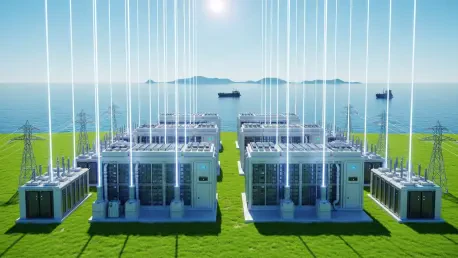
As the global demand for sustainable energy reaches a critical juncture, the four provinces of Atlantic Canada find themselves at a historic crossroads where the fragmentation of local utility networks threatens to derail regional decarbonization targets. Historically, Nova Scotia, New Brunswick,

The global transition toward sustainable energy has reached a critical juncture where the biological potential of microalgae is finally being harnessed as both a high-density fuel and a carbon sequestration tool. This biological powerhouse offers a dual benefit that traditional renewables often
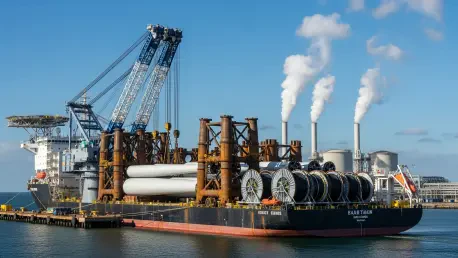
The strategic withdrawal by Invenergy from its offshore wind leases in the New York Bight, valued at seven hundred sixty-five million dollars, signals a cooling period for the maritime renewable market in 2026. This decision highlights the intensifying friction between aggressive policy goals and
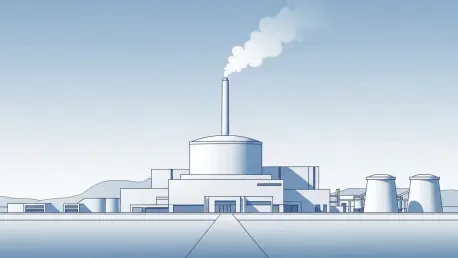
The energy landscape in the United States is currently witnessing a fundamental transformation as the legacy of massive, water-cooled nuclear facilities begins to recede in favor of a new generation of small modular reactors designed for the specific needs of a high-tech, electrified economy. At
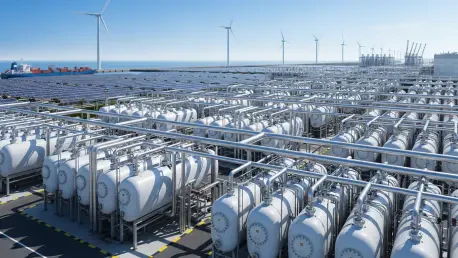
The Catalyst for Subnational Decarbonization in India The rapid decentralization of India's energy architecture has reached a critical tipping point as thirteen provincial governments mobilize to transform the nation into a global hub for green hydrogen production and export. This transition

British Columbia’s ambitious energy goals are currently pushing the limits of the existing provincial grid, necessitating a significant surge in domestic power generation to keep pace with the rapid adoption of electric vehicles and heat pumps. As the province moves away from fossil fuels, the