
The relentless roar of internal combustion engines that once defined the American interstate system has been steadily replaced by a sophisticated hum of high-efficiency electric motors and hydrogen-powered drivetrains. Across the United States, the traditional gas station is becoming a relic of a bygone era as multi-modal energy hubs take center stage to support a diverse fleet of passenger vehicles and heavy-duty freight. This monumental shift has been driven by a combination of rapid technological breakthroughs, aggressive federal incentives, and a fundamental change in consumer behavior that prioritizes sustainability over traditional performance metrics. Since 2026, the adoption of alternative fuels has ceased to be a niche environmental pursuit and has instead become the primary catalyst for economic revitalization in the automotive sector. Manufacturers like Ford and General Motors have pivoted their production lines to accommodate this reality, ensuring the transition is scalable.
Evolution of Infrastructure: Grid Resilience and Charging
The widespread deployment of Level 3 fast-charging networks has effectively eliminated the range anxiety that previously hindered the mass adoption of battery electric vehicles. Companies like Electrify America and ChargePoint have collaborated with utility providers to integrate megawatt-scale charging stations that can replenish a typical sedan battery in under ten minutes. These hubs are no longer just passive consumers of electricity; they utilize bi-directional charging technology to serve as critical nodes for grid stabilization during peak demand periods. This Vehicle-to-Grid (V2G) capability allows parked cars to feed excess energy back into the local power system, effectively creating a massive, decentralized battery backup for American cities. Furthermore, the standardization of the North American Charging System has streamlined the user experience, allowing drivers to access any charger regardless of brand. This interoperability has fostered a competitive market where service quality is the primary differentiator.
Beyond the urban centers, the integration of solid-state battery technology has begun to redefine the capabilities of long-distance travel and off-road utility. These next-generation batteries offer significantly higher energy density and improved thermal stability compared to the lithium-ion predecessors that dominated the early part of the decade. As a result, the latest electric SUVs and light trucks can now achieve ranges exceeding five hundred miles on a single charge, making them viable for rural communities and demanding industrial applications. The development of this technology has been supported by a robust domestic supply chain for critical minerals, reducing reliance on international imports and bolstering national energy security. Research and development efforts from 2026 to 2030 focus on further reducing manufacturing costs and enhancing the recyclability of these units. By establishing a circular economy for battery materials, the industry is ensuring that the environmental benefits are not offset by the impact of resource extraction.
Logistics Transformation: Hydrogen Power and Long-Haul Freight
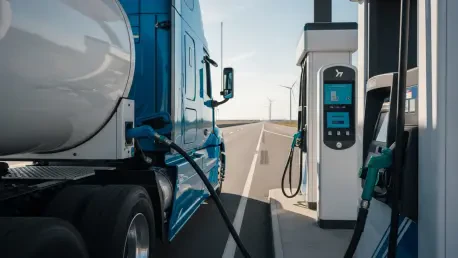
While battery electric vehicles dominate the passenger car market, hydrogen fuel cell technology has emerged as the definitive solution for the heavy-duty logistics and maritime sectors. The sheer weight and recharging time requirements of large-scale batteries often make them impractical for Class 8 long-haul trucks that must traverse thousands of miles with minimal downtime. In response, manufacturers such as PACCAR and Volvo successfully deployed hydrogen-powered semi-trucks that offer payload capacities and refueling speeds comparable to traditional diesel engines. To support this fleet, a network of strategic hydrogen corridors has been established along major freight routes, utilizing green hydrogen produced via renewable-powered electrolysis. These refueling stations are capable of handling high-pressure gaseous hydrogen and cryogenic liquid hydrogen, providing flexibility for different types of heavy machinery. This transition has significantly reduced the carbon footprint of the American supply chain, demonstrating that industrial efficiency and stewardship can coexist.
In the final analysis, the transition to alternative fuels was characterized by a collaborative effort between the private sector and public institutions. The industry recognized that the path to a sustainable future necessitated a complete overhaul of manufacturing processes and energy distribution models. Stakeholders prioritized the development of standardized protocols for data sharing and energy management, which facilitated a smoother transition for consumers and businesses alike. Moving forward, the focus remained on the continuous refinement of energy storage technologies and the expansion of domestic production capabilities for alternative fuels. Policymakers implemented carbon-tracking systems that provided transparency throughout the entire vehicle lifecycle, from raw material sourcing to end-of-life recycling. By maintaining this holistic approach, the transportation sector ensured long-term stability and continued technological leadership. The progress achieved served as a blueprint for other nations, proving that a rapid energy shift was both feasible and advantageous.