
Understanding the Shift from Traditional to Sustainable Power: A New Era
The global race to overhaul the foundation of human civilization has reached a fever pitch as nations scramble to swap finite, carbon-heavy resources for the infinite power of the sun, wind, and water. This fundamental movement marks a departure from a legacy of extraction toward a future of generation, defining a new boundary between unsustainable depletion and regenerative growth. Renewable energy is characterized by natural processes that replenish themselves at a rate equal to or faster than they are consumed, operating on human timescales. In contrast, fossil fuels represent a finite bank of energy created over millions of years, currently being withdrawn at a pace the planet cannot naturally sustain. The primary motivation for this shift is the dual necessity of satisfying a growing global hunger for electricity while aggressively mitigating the catastrophic impacts of the climate crisis through modern legislative mandates.
Specific entities and technologies are at the forefront of this industrial metamorphosis, providing the framework for a low-carbon future. Key regulatory regions such as the European Union (EU) and the California State Government have established rigorous benchmarks that serve as global templates for utility adaptation. The technological portfolio is diverse, encompassing Solar Photovoltaics (PV), Solar Thermal systems, Wind Turbines, and Hydroelectric Power. More specialized applications include Marine Power, such as wave and tidal energy, alongside Geothermal heat and various Biofuels. On the traditional side of the ledger, the world continues to grapple with the legacy of Coal, Petroleum, and Natural Gas, as well as the increasing reliance on unconventional oils like tar sands and heavy oil. Nuclear Power remains a significant part of the conversation, occupying a unique space as a low-carbon but non-renewable alternative.
Comparative Performance and Systematic Impacts: Health and Environment
Atmospheric Integrity and Public Health Outcomes: The Cost of Combustion
Examining the atmospheric impacts reveals a stark contrast between the carbon cycles of these energy types. Fossil fuels function by releasing carbon that was sequestered underground for eons, introducing a massive volume of greenhouse gases into the atmosphere in a very short window of time. Renewable energy, however, operates within the current atmospheric balance, utilizing energy flows that do not add net carbon to the environment. The real-world results of this transition are already visible; for instance, the European Union achieved a notable 23 percent reduction in total carbon emissions by successfully pivoting toward renewable technologies. This reduction represents more than just a climate metric; it reflects a preservation of the basic integrity of the global air supply.
The human health implications of these two energy paths are equally divergent and demand immediate attention. The combustion of coal and petroleum releases a hazardous cocktail of sulfur dioxide, nitrogen oxides, and fine particulate matter. These pollutants are directly linked to chronic respiratory ailments, heart disease, and the formation of acid rain, which ravages forest ecosystems and aquatic life. Conversely, wind and solar generation do not produce these toxic byproducts during operation. By shifting away from coal-fired power, regions can significantly lower the incidence of asthma and other pollution-related illnesses, effectively decoupling economic productivity from public health degradation.
Resource Longevity and Economic Growth Trajectories: Market Realities
Resource scarcity and the declining quality of fossil reserves have created a volatile economic landscape. As conventional oil and gas reserves dwindle, the concept of “peak oil” has forced energy companies to pursue unconventional and expensive sources, such as tar sands and heavy oil. These extraction methods require significant capital and carry high ecological risks, making them less attractive than they were in previous decades. In contrast, the hardware costs for renewable energy have plummeted. The market witnessed a 22-fold increase in global wind capacity between 2001 and 2017, and solar installations saw a massive 50 percent surge in 2016 alone. These metrics indicate that the economic momentum has shifted firmly toward sustainable infrastructure.
A historic milestone was reached last year when renewable energy officially surpassed coal as the primary global source of electricity. This 2025 breakthrough proved that the transition is no longer a theoretical goal but a practical reality of the modern grid. The rapid scaling of wind and solar has been supported by their modular nature, allowing for incremental upgrades and local generation. While fossil fuel prices remain subject to geopolitical instability and the rising costs of deep-crust extraction, renewables benefit from the infinite supply of natural flows. This economic shift provides a more stable foundation for long-term growth, ensuring that energy remains affordable as the world moves away from volatile commodity markets.
Reliability and Classification in the Energy Mix: Defining Sustainability
The reliability of an energy source is often measured by its ability to provide a “baseload” or a constant supply of power. Geothermal energy and nuclear power are frequently highlighted for their consistency, as they do not depend on weather patterns like solar or wind. However, the classification of nuclear power remains a point of technical debate; while it offers a low-carbon generation profile, its reliance on a finite supply of mined uranium distinguishes it from strictly renewable flows. This distinction is critical for long-term planning, as even low-carbon sources like nuclear face eventually limited mineral availability and the persistent challenge of radioactive waste management.
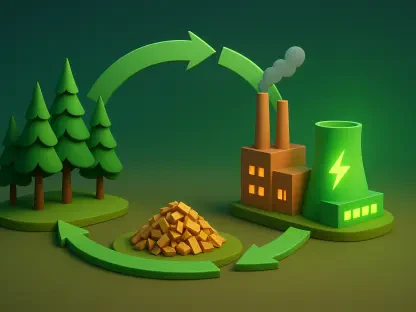
Biofuels offer another unique classification, providing a renewable alternative for liquid fuels that are necessary for heavy transport and aviation. The sustainability of biofuels is rooted in the theoretical offset of carbon emissions; the CO2 released during combustion was originally absorbed from the atmosphere by the plants during photosynthesis. This creates a circular carbon path that contrasts sharply with the one-way release of sequestered carbon from petroleum. When integrated with variable sources like wind and solar, these diverse energy categories create a more resilient energy mix. This diversification allows the global grid to maintain stability while reducing its reliance on the traditional fossil fuel models that dominated the previous century.
Practical Challenges and Transitional Considerations: Implementation Hurdles
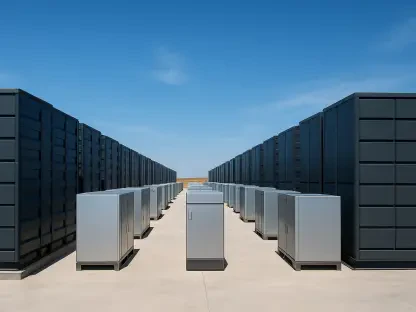
Despite the clear benefits of the transition, several practical challenges complicate the immediate abandonment of fossil fuels. The most prominent obstacle is the intermittent nature of wind and solar energy, which requires advanced storage solutions or a backup from more consistent sources. As utility companies work to integrate these variables, the infrastructure must be modernized to handle decentralized power generation. Furthermore, the economic risks associated with unconventional fossil fuel extraction continue to pose threats as conventional reserves become harder to reach. These ecological and financial risks make the status quo increasingly untenable for both investors and government regulators.
Policy implementation serves as a necessary catalyst for overcoming these technical and economic hurdles. California provides a prime example of how state-level benchmarks can force utility companies to adapt quickly to new realities. By setting a mandate for 50 percent renewable energy by 2030, the state created a clear market signal that accelerated investment in sustainable hardware. However, challenges remain regarding the finite mineral supply needed for high-tech batteries and the long-term storage of nuclear waste. These issues suggest that while the transition is inevitable, it must be managed with a sophisticated understanding of the trade-offs inherent in every low-carbon solution.
Strategic Summary and Regional Recommendations: Future Path
The global transition from an 80 percent fossil fuel-dependent energy system toward a regenerative model was characterized by the leadership of the European Union and California. This shift replaced the destructive carbon cycle of coal and petroleum with the low-carbon efficiency of wind, solar, and marine power. The economic landscape changed as the 2025 milestone saw renewables overtake coal, proving that hardware cost-efficiency and legislative pressure were enough to tip the scales. The comparison showed that while fossil fuels provided the energy for industrial development, the associated health costs and environmental degradation eventually made them obsolete in the face of cleaner alternatives.
Moving forward, regions should tailor their energy strategies to their specific geographical assets. Volcanic regions must prioritize geothermal development to secure a steady baseload, while high-growth technological hubs should aggressively adopt wind and solar clusters. Utility companies are advised to meet legislative targets, such as California’s 2030 mandate, by prioritizing investments in hardware that demonstrates the fastest cost reduction. A diversified “low-carbon” portfolio is recommended, utilizing nuclear power as a temporary transitionary tool while scaling up fully sustainable marine and solar infrastructures. This approach will ensure a resilient energy future that successfully balances global demand with the urgent need for environmental restoration.