
Christopher Hailstone brings decades of specialized knowledge in electricity delivery and renewable energy management to our discussion on the evolving global energy landscape. As a utilities expert who has navigated the shift from centralized power plants to decentralized green grids, he offers a unique perspective on the logistical hurdles of modernizing infrastructure. In this conversation, we delve into the technical and strategic transformations required to ensure solar and wind power are effectively delivered and stored to meet modern demands, moving beyond simple generation to true grid resilience.
How does the strategic expansion of interstate transmission networks and battery storage systems act as the backbone for the next phase of renewable energy growth?
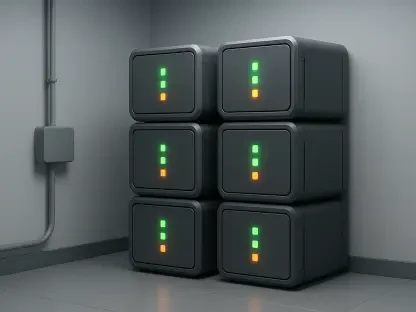
Strengthening the interstate and intrastate transmission lines is no longer a luxury; it is the fundamental requirement for avoiding renewable energy curtailment. By expanding our battery energy storage systems, we create a vital buffer that allows the grid to absorb fluctuating solar inputs that would otherwise go to waste. This shift from mere capacity addition to sophisticated grid integration ensures that every kilowatt generated finds its way to a consumer rather than being lost to inefficiency. It feels like building a massive, high-speed highway system for electrons, where storage acts as the essential reservoirs preventing the system from overflowing during peak production hours.
With the PM Surya Ghar: Muft Bijli Yojana reaching over 50 lakh households, what does this massive scale-up signify for the future of distributed energy?
The growth we are seeing is staggering, moving from just 7.94 lakh installations over the previous decade to a milestone of 50.06 lakh beneficiary households in a remarkably short period. With a massive investment outlay of Rs 75,021 crore, the program is currently enrolling nearly one lakh beneficiary households every six days, which creates an incredible pulse of activity in the residential sector. In July 2026 alone, we saw 5.06 lakh rooftop solar installations, marking a peak that demonstrates how quickly decentralized energy can become a standard for modern living. This pace of adoption transforms individual homes into mini-power plants, fundamentally changing the utility-customer relationship and requiring a much more resilient local distribution network.
In states where land is at a premium for agriculture, how do floating solar and agrivoltaic projects offer a viable path forward without compromising food security?
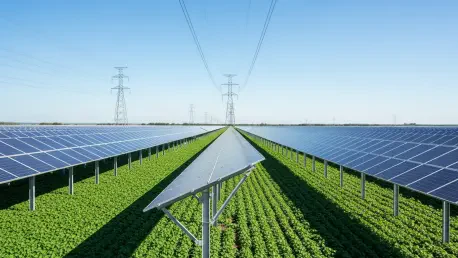
In agriculturally intensive regions like Uttar Pradesh, West Bengal, Odisha, and Chhattisgarh, land is a precious resource that cannot easily be sacrificed for traditional ground-mounted solar arrays. Floating solar projects provide a brilliant workaround by utilizing water surfaces, which helps overcome land constraints while simultaneously reducing water evaporation. Furthermore, the ministry is advancing agrivoltaics through pilot projects with the Indian Council of Agricultural Research to identify exactly which crops thrive beneath solar panels. This dual-use strategy allows farmers to maintain their traditional agricultural production while supplementing their income through clean electricity generation, creating a symbiotic relationship between energy and food.
What is your forecast for the integration of solar energy into the domestic lifestyle over the next few years?
I anticipate a massive acceleration toward the goal of one crore beneficiary households by March 31, 2027, as the logistical machinery for solar deployment becomes more refined. As we identify the specific crops best suited for agrivoltaic systems, we will see a rural revolution where energy production becomes as common as harvesting grain. The visual landscape will change, with shimmering blue panels over reservoirs and solar-shaded fields becoming the new hallmark of a sustainable economy. We are moving toward an era where the grid is no longer a one-way street, but a vibrant, bi-directional network fueled by millions of individual contributions from both rooftops and farmsteads.