
The traditional geopolitical map of energy is being redrawn as nations pivot away from the long-standing dominance of fossil fuels toward a future defined by renewable synergy and technological exchange. As global markets demand cleaner alternatives, the strategic alignment between a European industrial powerhouse and a Caspian energy giant has moved beyond mere diplomatic pleasantries into a robust economic reality. This transition marks a fundamental shift from traditional hydrocarbon exports to a sophisticated partnership centered on wind, solar, and hydrogen infrastructure.
The Evolving Landscape of German-Azerbaijani Energy Diplomacy
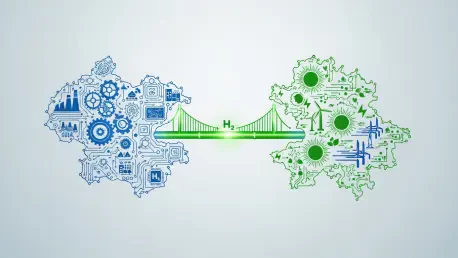
The relationship between Germany and Azerbaijan has matured into a multi-layered cooperation that leverages the specific strengths of each nation. While Germany provides the engineering excellence and the regulatory blueprint from its own energy transition, Azerbaijan offers vast geographic potential and a clear political mandate to diversify its economy. This bilateral synergy is fueled by the German Energy Export Initiative, which aims to export sustainable technology and establish secure supply chains for the European market.
Key players in this space are no longer just national oil companies but a diverse group of engineering firms and global investment entities. Organizations such as Masdar and ACWA Power have joined European technology providers to create a competitive ecosystem for green projects. The Joint Declaration on a Strategic Agenda has formalized these efforts, ensuring that both nations work toward common standards in low-carbon hydrogen production and grid modernization.
Market Dynamics and the Rapid Growth of Clean Power Generation
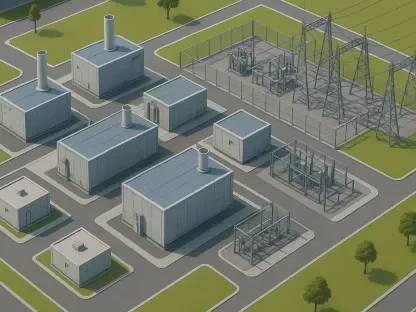
The movement toward decarbonization is reshaping how energy is produced and consumed across both regions. In Germany, the focus has shifted toward refining a decentralized grid that can handle the high variability of renewable inputs while maintaining industrial stability. Azerbaijan, meanwhile, is utilizing its vast open spaces to implement utility-scale projects that can eventually feed into the broader regional electricity corridors.
Emerging Trends in Solar, Wind, and Low-Carbon Hydrogen
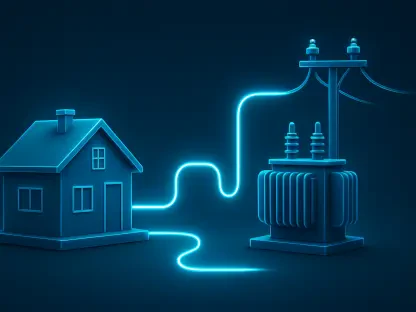
The technological landscape is currently defined by a divergence in scale and application between the two partners. Germany is leading the way in decentralized residential storage and smart grid management, allowing households to become active participants in the energy market. In contrast, Azerbaijan is prioritizing massive solar parks and offshore wind farms, utilizing its unique Caspian winds to drive large-scale generation.
Furthermore, the industrial sector is increasingly looking toward green hydrogen as a primary tool for decarbonization. High-energy industries, particularly steel and chemicals, are driving the demand for low-carbon fuels that can be transported through existing or repurposed pipelines. This shift toward e-mobility and hydrogen-based manufacturing is creating a new value chain that connects Azerbaijani production sites with German industrial consumers.
Analyzing the Numbers: Production Milestones and Capacity Forecasts
Germany has reached a significant milestone where nearly 60 percent of its electricity generation originates from renewable sources. This progress reflects the long-term impact of its renewable energy policies which turned the tide against fossil fuel dependency. The move to shut down nuclear facilities has further accelerated the need for wind and solar expansion, forcing a rapid evolution in how the national grid handles peak loads.
Azerbaijan has mirrored this ambition by dramatically increasing its wind power output, which recently saw a 23-fold rise in capacity within a short period. The current roadmap targets a total renewable capacity of 8 GW by the beginning of the next decade, starting the count from 2026 to 2032. These production metrics suggest that the country is well on its way to exceeding its initial targets for a sustainable energy mix, focusing on regional hubs like the Nakhchivan Autonomous Republic.
Addressing Infrastructure Hurdles and Storage Variability
Expanding generation capacity is only half the battle; managing the inherent variability of wind and solar energy remains a significant technical challenge. As production surges during peak weather conditions, the risk of oversupply can lead to grid instability if not managed through advanced storage solutions. Both nations are investing heavily in modernizing aging infrastructure to accommodate the influx of intermittent power.
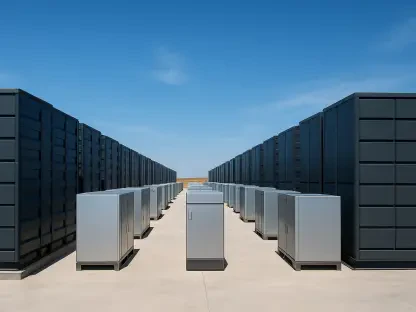
Azerbaijan has addressed this by launching some of the largest battery energy storage systems in the region, such as the facilities at Absheron and Aghdash. These utility-scale batteries provide a necessary buffer, ensuring that excess energy is captured and released when demand peaks or weather conditions fluctuate. Germany, on the other hand, utilizes a massive network of smaller, decentralized battery systems that provide resilience at the consumer level.
Policy Frameworks and the Impact of the Strategic Agenda
Legal and regulatory stability remains the cornerstone of successful long-term investment in the green sector. The German model proved that clear legislative support could attract the private capital necessary for a nationwide transition. This framework serves as a guide for Azerbaijan as it updates its own national legislation to align with international decarbonization goals.
The Joint Declaration on a Strategic Agenda for Bilateral Partnership has established a common language for technical standards and safety protocols. By adopting high-level engineering standards, Azerbaijan ensures that its new infrastructure is compatible with the European grid, facilitating future energy exports. This regulatory alignment also mitigates risks for international investors, creating a more predictable environment for large-scale infrastructure projects.
The Road Toward a Decarbonized Regional Energy Hub
The long-term vision for this partnership involves Azerbaijan evolving into a primary exporter of green energy rather than just a hydrocarbon supplier. By tapping into the potential of the Middle Corridor, the country can transmit clean electricity and hydrogen directly to the European market. Innovation in energy management software and the integration of artificial intelligence into grid operations are expected to be the next major disruptors in this journey.
Future developments will likely focus on long-duration storage technologies and high-efficiency photovoltaic materials that can maximize output even in sub-optimal conditions. As global economic conditions stabilize and international partnerships diversify, the 2032 landscape looks increasingly favorable for a regional hub that bridges East and West. The integration of e-mobility infrastructure further solidifies this transition, creating a holistic energy ecosystem.
Synthesizing the Partnership for a Resilient Energy Future
The collaboration between these two nations successfully demonstrated how technical expertise and geographic potential could merge to create a sustainable energy framework. The strategic alliance moved past traditional dependencies, proving that a low-carbon model was both economically viable and technically feasible. Investments in storage capacity and grid modernization solidified the foundation for a resilient energy grid that prioritized long-term security.
Recommendations for the future emphasized the need for continued technical exchange and the expansion of infrastructure management systems. The framework established a clear path for other nations looking to balance industrial growth with environmental responsibility. Ultimately, the partnership provided a blueprint for a diversified energy future that relied on innovation, shared standards, and a commitment to decarbonization.