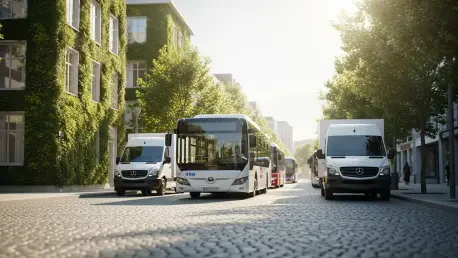

The European roads of 2026 are rapidly transforming into a testing ground for the world’s most advanced sustainable logistics, as quiet, emission-free fleets begin to replace the diesel engines that have dominated for decades. This shift is no longer a distant projection but a lived reality, with new data from the International Council on Clean Transportation revealing that the first quarter of the current year has marked a significant tipping point for the commercial electric vehicle sector. As manufacturers navigate increasingly stringent environmental regulations and a shifting economic landscape, the competitive hierarchy of the automotive industry is being rewritten in real-time. Established European brands are finding themselves in a high-stakes race against international challengers that have mastered battery technology and supply chain efficiency. These developments signify a broader industrial evolution where traditional engineering prowess must now merge with digital and electrochemical innovation to survive a marketplace that no longer rewards carbon-intensive solutions.
Strategic Methodology and Heavy-Duty Trends
Defining Zero-Emission Standards
To navigate the complexities of this transition, the reporting methodology established by the Council focuses exclusively on zero-emission drivetrains, thereby excluding hybrid systems that continue to utilize internal combustion engines as a fallback. This specific focus ensures that the data reflects a pure transition toward decarbonization, rather than a temporary middle ground that maintains a reliance on fossil fuels. By filtering out partial solutions, the reporting standards provide a transparent look at how manufacturers are investing in purely electric or hydrogen fuel-cell architectures. This methodology is critical for policymakers who require precise figures to measure the effectiveness of climate initiatives across the continent. Such a strict classification also helps investors distinguish between companies that are merely updating existing technology and those that are fundamentally redesigning their vehicle platforms for a post-carbon economy. This clarity is essential for understanding the actual pace of technological change.
Heavy-Duty Market Leaders and Sales Growth
In the heavy-duty truck segment, Mercedes-Benz Trucks has emerged as the clear frontrunner, capturing nearly a third of the total market share in the opening months of 2026. This dominance is the result of a concerted effort to scale production of their dedicated electric platforms, which have seen a massive surge in demand as fleet operators seek to modernize their long-haul operations. While the overall volume for electric heavy trucks is still in its formative growth phase compared to traditional models, the rate of acceleration is undeniable. Mercedes-Benz’s ability to secure such a significant portion of the market suggests that their early investments in dedicated electric chassis and proprietary battery management systems are paying dividends. This performance has placed significant pressure on other legacy manufacturers to accelerate their own development cycles to prevent a permanent loss of market share. The competitive environment is now characterized by rapid-fire technical updates and aggressive sales.
Regional Adoption and Transit Evolution
Light Logistics and Distribution Penetration
The light and medium-duty segment, which encompasses vehicles between 3.5 and 12 tonnes, has reached a significantly higher level of maturity than its heavier counterparts. In 2026, electric vehicles in this category have achieved a penetration rate of nearly 20% of all new registrations across Europe, signaling that the last-mile delivery sector is well on its way to full electrification. This market is currently controlled by a powerful trio consisting of Mercedes, Iveco, and Ford, who collectively manage the majority of sales in this weight range. Their success is rooted in the high demand for urban delivery vans and medium-sized distribution trucks that can navigate zero-emission zones in major cities. These vehicles are particularly attractive to global logistics firms that need to maintain access to urban centers while meeting their corporate carbon reduction targets. The standardized nature of urban routes makes this segment an ideal candidate for battery-electric propulsion systems.
International Competition in the Bus Sector
Perhaps the most dramatic shift documented in the recent reporting period is found in the electric bus sector, where international competition has reached a fever pitch. For the first time in European history, the Chinese manufacturer Yutong has claimed the top spot in sales, surpassing long-standing domestic brands that have traditionally dominated the transit landscape. This achievement highlights the formidable expertise that Chinese firms have developed in battery technology and high-volume electric vehicle production over the past few years. Yutong’s ability to offer competitive pricing, coupled with robust range and reliability, has made their products increasingly attractive to municipal transit authorities facing tight budgets. This trend is not isolated to a single country but is a continent-wide phenomenon that reflects the globalized nature of the green energy transition. European manufacturers are now forced to rethink their production strategies to remain competitive in a transit market they once led.
Strategic Resilience in the Commercial Landscape
The market data from the early part of the year established that the transition to electric commercial vehicles moved beyond the pilot phase and into a period of serious industrial scaling. Manufacturers that successfully aligned their production capacities with the growing demand for zero-emission solutions positioned themselves as the leaders of the European landscape. For fleet operators, the most effective next steps involved prioritizing the development of private charging hubs and investing in telematics that optimized energy usage across complex routes. Policymakers utilized these market insights to refine infrastructure grants, ensuring that high-traffic freight corridors received the necessary high-kilowatt charging support to sustain long-haul electric transport. The industry also recognized that cross-border collaboration was essential to harmonize charging standards and maintenance protocols. By focusing on total cost of ownership and operational integration, businesses transformed their logistical challenges into competitive advantages that defined the next era of transport.