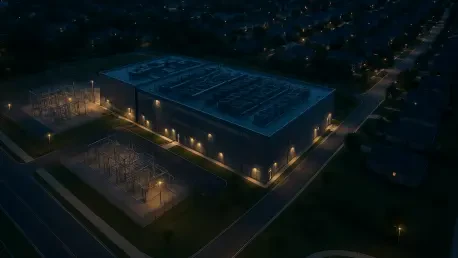
In what some activists describe as a Wild West environment, massive data centers are being proposed near residential areas without adequate notice or environmental safeguards. This situation has placed the city of Austin at a precarious crossroads as it navigates the explosive expansion of

The mismatch between low solar generation and high heating demand during the winter months represents a critical obstacle for buildings attempting to transition away from gas. While suburban homes can often accommodate massive solar arrays and large-scale battery storage to offset seasonal
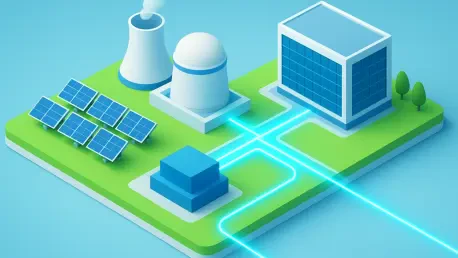
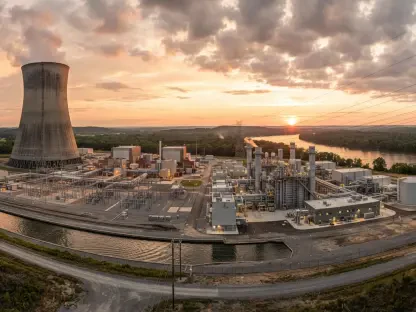
The silent humming of thousands of graphics processing units inside massive industrial warehouses is rapidly replacing the rhythmic cadence of traditional manufacturing as the primary engine of electricity demand in the American Southeast. This transition represents a fundamental shift in the

Private industry partners currently operate 65 hydropower plants at existing federal sites, contributing an additional 2,500 megawatts of clean capacity to the national electric grid. This collaboration underscores the massive scope of the U.S. Army Corps of Engineers (USACE) hydropower program,
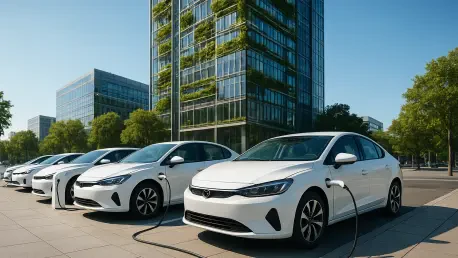
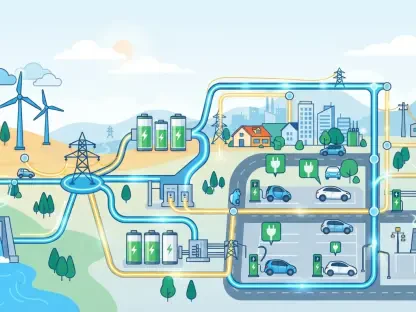
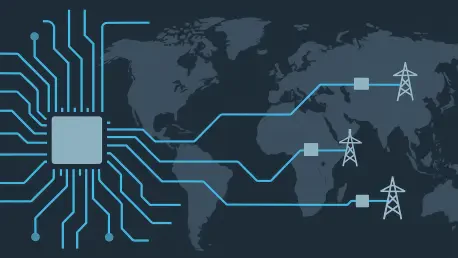
The unprecedented density of modern megacities has transformed the electrical grid from a simple delivery mechanism into a complex, living ecosystem that requires constant, intelligent recalibration to survive. As of 2026, the traditional model of one-way energy flow is being replaced by a
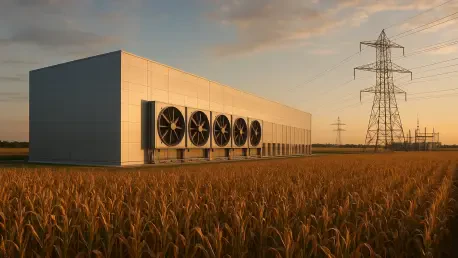
The relentless roar of industrial cooling fans has replaced the quiet rustle of cornfields across the American heartland as a massive digital transformation sweeps the nation. As of 2026, the industry serves as the essential backbone for artificial intelligence, cloud computing, and a global