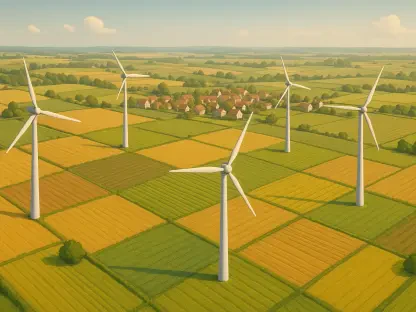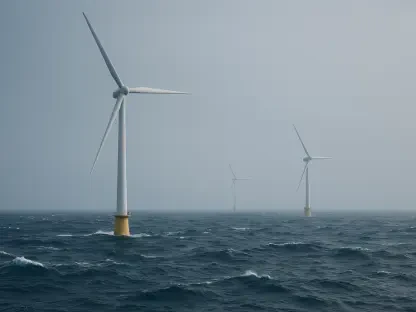

The sheer scale of the State Grid Corporation of China is difficult to grasp until one considers that its infrastructure powers nearly one-fifth of the global population while undergoing the most aggressive energy shift in human history. As the central pillar of the national 15th Five-Year Plan, this utility giant is currently re-engineering its operations to ensure that every additional kilowatt-hour of electricity demand is met by carbon-free sources. This strategic evolution is not merely about environmental stewardship; it is a fundamental reconfiguration of the world’s largest power network to support a high-tech, low-carbon economy. By integrating an unprecedented 200 gigawatts of wind and solar capacity every single year through 2030, the company is attempting a feat of engineering that will serve as a definitive case study for global energy transitions.
The World’s Largest Utility and the Strategic Pivot Toward Decarbonization
The current era of utility management is defined by the shift from coal-heavy baseload power to a more agile, renewable-centric model. State Grid occupies a dominant market position that allows it to dictate technical standards and investment priorities across the majority of the Chinese mainland. Under the 15th Five-Year Plan, which spans from 2026 to 2030, the utility has committed to a roadmap where renewables are no longer supplementary but central to the nation’s energy security.
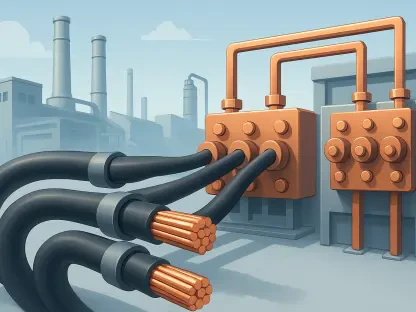
This pivot requires a multi-faceted approach involving the expansion of ultra-high voltage (UHV) transmission, the development of massive pumped-hydro storage, and the integration of distributed energy resources. State-led mandates are driving this transition, pushing the utility to modernize the power system while maintaining the rigid stability required by heavy industrial sectors. Navigating these requirements involves balancing top-down policy directives with the practical realities of a grid that must now accommodate thousands of small-scale green energy producers.
Scaling Green Infrastructure and Projecting Future Capacity
Accelerating Intermittent Energy Integration and Grid Flexibility
Integrating 200 gigawatts of annual renewable growth requires a level of grid agility never before seen in traditional utility management. To manage this influx, the utility is deploying virtual power plants and rural microgrids that act as local balancing mechanisms. These tools allow for energy self-sufficiency at the local level, effectively reducing the strain on long-distance transmission lines. Furthermore, the focus has shifted toward enhancing system flexibility through the retrofitting of existing coal-fired plants for peak-shaving operations.
These retrofits allow fossil fuel generators to lower their minimum output significantly, ensuring that wind and solar power are prioritized when production is at its peak. This change also reflects an evolving role for the consumer, moving from a passive user to an active participant in grid balancing. Through smart metering and demand-response programs, residential and industrial users now help synchronize consumption with the natural cycles of renewable energy production, creating a more responsive and efficient ecosystem.
Data-Driven Forecasts for China’s 2030 Energy Landscape
Recent projections suggest a clear path toward a 30 percent renewable energy share in the total power mix by the end of the decade. Achieving this milestone depends on the successful expansion of cross-provincial transmission capacity, which is expected to reach the 500 gigawatt mark. The physical infrastructure required for such a transition is massive, necessitating the commissioning of numerous new direct-current lines to move power across vast distances.
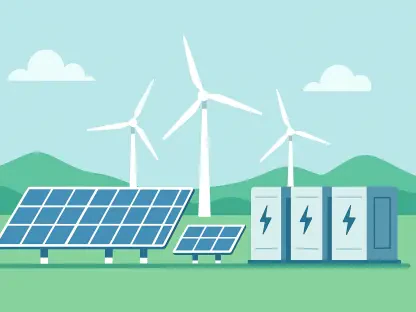
To address the inherent variability of these sources, the growth trajectories for energy storage have been set at ambitious levels. Plans include reaching 120 gigawatts of pumped-hydro capacity and 140 gigawatts of electrochemical battery storage. The investment outlook remains robust, with multi-billion yuan capital expenditures allocated for system modernization. These funds are being utilized to upgrade aging distribution networks and to implement high-speed data analytics for real-time load management.
Bridging the Gap: Overcoming Spatial and Temporal Energy Mismatches
The central challenge in this transition is solving the long-distance problem of moving power from the renewable-rich West to the high-demand cities of the East. Engineering such a massive geographical shift requires UHV technology that can transmit electricity with minimal loss. However, the spatial mismatch is only half the battle; engineers must also contend with the temporal mismatch caused by the intermittent nature of wind and solar power.
Balancing rapid infrastructure deployment with the strict stability requirements of a national grid is a delicate task. Strategies currently focus on synchronizing demand across the transportation and heavy industry sectors to match the availability of green power. For instance, scheduling industrial processes or charging electric vehicle fleets during periods of high solar output helps flatten the demand curve, ensuring that the grid remains stable without relying on carbon-intensive backup power.
The Regulatory Framework and the Evolution of Energy Standards
The 15th Five-Year Plan provides the overarching regulatory framework that guides utility operations and investment priorities. This period is marked by the introduction of new technical standards for UHV transmission and distributed power networks, which are essential for maintaining a high degree of reliability. Compliance is not just about efficiency; it also encompasses security, as the grid must be resilient against both cyber threats and the increasing frequency of extreme weather events.
Market-driven reforms are also playing a critical role in the evolution of energy standards. The government is moving toward a more competitive power pricing model to incentivize clean energy consumption. By allowing prices to fluctuate based on supply and demand, the regulatory system encourages users to shift their consumption to times when renewable energy is most abundant, thereby facilitating a more natural transition away from coal.
The Future Ecosystem: Innovation, Resilience, and Global Leadership
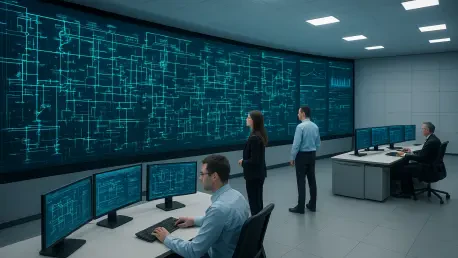
Innovation in long-duration energy storage and next-generation power electronics is set to redefine the future of the power sector. The role of artificial intelligence is becoming increasingly prominent, as it optimizes load forecasting and manages real-time grid adjustments with a level of precision that human operators cannot match. These technologies are turning the grid into a sentient network capable of anticipating shifts in weather and demand.
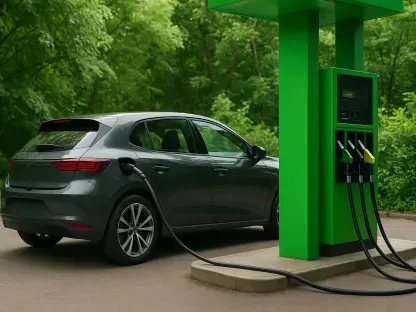
Potential market disruptors, such as the integration of electric vehicle fleets as mobile storage units, are also on the horizon. This vehicle-to-grid technology allows the utility to tap into the combined battery capacity of millions of cars, providing a massive buffer for the grid. As these technologies mature, the nation is solidifying its trajectory as a global blueprint for how a large-scale, state-led renewable energy transition can be executed effectively.
Evaluating the Feasibility of a Zero-Emission Incremental Growth Model
The evaluation of the State Grid roadmap indicated that meeting all new demand with clean power was a technologically attainable goal. Researchers found that the synthesis of infrastructure expansion and smart grid management provided a viable path to eliminate carbon growth within the power sector by 2030. Success depended largely on the continued mobilization of capital and the strict alignment of local policy with national decarbonization targets.
The findings suggested that the transition required a shift from traditional centralized management to a more decentralized and technologically integrated model. Ultimately, the Chinese power sector demonstrated that long-term sustainability was achievable through the strategic deployment of energy storage and advanced transmission technologies. This shift not only secured the national energy supply but also established a new global standard for utility-scale renewable integration.