
Market prices for biomass feedstock often spike as soon as commercial demand is established, catching investors off guard and threatening long-term project bankability. This economic reality has created a cautious atmosphere across the region, where the theoretical abundance of agricultural residues does not always translate into affordable raw materials for modern industrial applications. In Malaysia, the palm oil industry generates nearly 95 million tonnes of biomass annually, yet the transition from research-led pilot projects to a bankable industrial ecosystem remains a significant challenge. For years, the focus remained on proving the technical feasibility of conversion, showing that waste could become biofuels or bioplastics. However, the current landscape in 2026 requires a shift toward solving the underlying structural issues that prevent biological waste from becoming a consistent, high-value commodity that can compete globally without compromising existing milling operations or the profitability of the sector.
Resource Management: The Complexity of Material Availability
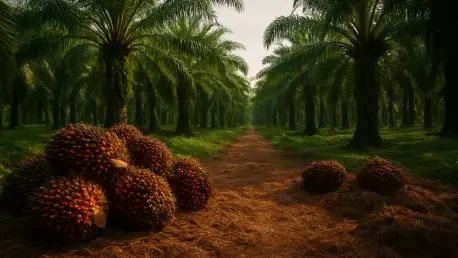
While the 95 million tonne figure is frequently cited in industrial reports, it often overlooks the fact that a vast majority of this material is already essential to the existing plantation and milling operations. Mesocarp fibers and palm kernel shells are not simply waste products; they serve as the primary fuel source for mill boilers, providing the renewable thermal energy needed to process fresh fruit bunches. Furthermore, fronds and empty fruit bunches are traditionally returned to the soil as organic mulch to maintain moisture levels and recycle vital nutrients back into the ecosystem. This existing demand creates an internal competition for resources where any external commercial venture must offer a value proposition that exceeds the inherent nutrient or energy value of the material to the plantation owner. Consequently, the actual volume of biomass available for new third-party manufacturing is considerably lower than the total production figures would suggest at first glance.
Beyond the internal competition for volume, the physical characteristics of oil palm biomass present a formidable logistical hurdle that impacts the bottom line of every commercial project. Empty fruit bunches, for instance, possess a high moisture content that makes them heavy and expensive to transport over long distances while simultaneously accelerating biological degradation. Without immediate processing or pre-treatment at the source, these materials begin to ferment or absorb additional moisture from the humid environment, which significantly lowers their caloric value or suitability for chemical conversion. These physical realities mean that a factory located just fifty kilometers away from a mill might find the cost of collection and transportation prohibitive. To mitigate these risks, industry leaders are increasingly looking toward decentralized pre-processing units that can dry and densify the biomass at the mill site, effectively turning a wet, bulky waste into a stable commodity.
Economic Strategy: Securing Long-Term Commercial Success
A recurring obstacle in the commercialization of these materials is the rapid shift in valuation that occurs the moment a new utility is discovered. For decades, many biomass streams were treated as a disposal headache, often given away or sold for a nominal fee to clear space at the sites. However, as soon as a commercial-scale pellet plant or biofuel refinery is commissioned, the perceived value of that same waste increases, leading to significant price volatility that can cripple a project’s financial model. Investors who entered the market expecting cheap feedstock have frequently found themselves in bidding wars with other emerging sectors, such as the furniture industry or the organic fertilizer market. This lack of price predictability makes it difficult for financial institutions to offer long-term loans, as the raw material costs remain a moving target. Stabilizing this market requires the implementation of transparent pricing indexes and formal multi-year contracts that protect both the miller and the investor.
The successful transformation of Malaysia’s biomass landscape required a shift in perspective where the material was finally recognized as a formal commodity rather than a problematic byproduct. Stakeholders implemented localized processing hubs that reduced the carbon footprint and transportation costs associated with moving raw waste across the country. These hubs allowed for the consolidation of resources from multiple producers, providing the consistent feedstock stream necessary for advanced manufacturing. Regulatory bodies streamlined the approval processes for land use, encouraging the development of integrated biorefineries that maximized value. To maintain this momentum, the industry established a standardized certification system for biomass quality, which allowed for seamless international trade. This move ensured that Malaysian biomass met the rigorous sustainability criteria of global markets, opening up new export avenues for high-value bio-based chemicals and advanced materials.