
The Resurgence of the World’s Oldest Fossil Fuel
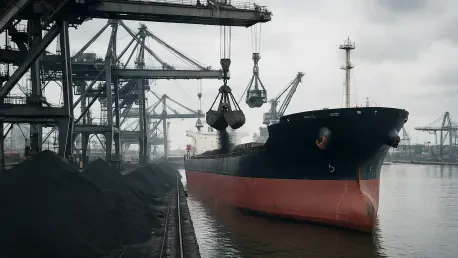
The global energy landscape is currently undergoing a massive transformation as the reliance on solid fossil fuels reaches a historic peak despite decades of efforts to transition toward renewable resources. This year, global coal demand is on track to hit a record 8.94 billion tons, representing a 1.2% increase that underscores the fragile nature of international energy security. This surge is not a regression but a calculated response to a volatile market where reliability often outweighs environmental ideals.
Coal remains a vital component of the global energy mix because it provides a dependable fallback during periods of supply chain instability. While the long-term goal is decarbonization, the immediate reality necessitates a pragmatic approach to power generation. This peak highlights the difficulty of balancing economic growth with the transition to cleaner energy alternatives in a world facing constant geopolitical disruptions.
Historical Context: The Shift in Energy Reliability
Historically, coal has served as the “bridge” fuel during high oil prices or supply uncertainty due to its abundance and ease of transport. For years, the narrative suggested that natural gas and renewables would make coal obsolete, but energy history shows that shifts are rarely linear. Previous cycles of energy insecurity have often forced nations to return to solid fuels to protect their economies from the inherent volatility of global markets.
Stability is now being prioritized over “Just-in-Time” energy strategies that rely on overseas gas supplies. Recent industry shifts indicate a move toward building substantial coal stockpiles as a hedge against logistics failures. Understanding these past cycles is essential to grasping why the world is leaning back into traditional resources to maintain economic continuity during a period of intense global instability.
Geopolitical and Climatic Drivers of the Coal Surge
Logistical Disruptions: The Gas-to-Coal Pivot
Reduced flows of liquefied natural gas through the Strait of Hormuz have sent global gas prices skyrocketing. While coal does not pass through this corridor, the resulting gas scarcity has forced power systems in Japan and South Korea to switch back to coal. This pivot demonstrates that when energy prices become unsustainable, national security and cost-efficiency quickly take precedence over environmental commitments.
The Asian Powerhouse: China and India Lead the Way
Asia is the primary driver of consumption, with China expected to reach 5 billion tons of demand this year. This growth is fueled by electricity needs and a strategic shift in the chemical industry toward coal-based production to bypass high oil costs. India follows with a 4.2% increase in consumption, as coal provides the necessary infrastructure for rapid industrial expansion and middle-class development.
Climatic Volatility: The Hydropower Gap
The El Niño weather pattern has triggered record heat across Southeast Asia, spiking air conditioning usage while simultaneously causing droughts that diminish hydropower output. In nations like Vietnam and India, coal has been the only resource capable of filling the gap left by falling water levels in reservoirs. This energy-climate feedback loop forces a continued reliance on fossil fuels to mitigate the impacts of extreme weather.
Future Trends: The Evolution of Global Energy Markets
From 2026 to 2028, the global landscape will likely see a widening divergence between Western and Eastern energy policies. While Asian demand surges, the United States anticipates a 7% drop in coal use due to a surplus of domestic gas and expanded solar capacity. Technological innovations in carbon capture could potentially allow coal to remain in the energy mix even as regulations tighten in the coming years.
Navigating a High-Coal Environment: Key Takeaways
Businesses must remain flexible by diversifying their energy portfolios to guard against commodity price spikes. While coal offers immediate reliability, the expansion of modular renewable infrastructure remains the most effective long-term strategy for hedging against carbon taxes. Organizations should leverage the current stability of coal while aggressively integrating cleaner solutions to ensure resilience in a shifting regulatory environment.
The Enduring Complexity of the Coal Narrative
The transition did not follow a linear path, as geopolitical tensions and climatic events forced a return to traditional energy sources to maintain stability. Decision-makers recognized that a successful shift required a far more reliable foundation than what was available during a period of unprecedented volatility. This era proved that solid fuels remained an indispensable safety net for the world’s most rapidly expanding industrial economies.