
Global computing landscapes have undergone a seismic transformation as artificial intelligence data centers transitioned from experimental pilot phases into massive, industrial-scale deployments that dictate the rhythm of modern power grids. As cloud service providers allocate historic capital toward high-performance GPU clusters, the infrastructure supporting these digital behemoths has shifted toward specialized energy storage systems capable of handling extreme power densities. These artificial intelligence data centers, often referred to as AIDCs, represent a departure from traditional facilities due to their tendency to generate sudden, massive spikes in electrical demand. These “pulse-like” transients pose a significant risk to local utility networks, which were never designed to accommodate such rapid and unpredictable fluctuations in load. Consequently, energy storage has moved from its former role as a simple backup solution to becoming a mission-critical component of the global tech stack. The emergence of these sophisticated systems ensures that the digital economy remains stable even as the raw computational requirements for training large language models continue to escalate across every major continent.
Regional Strategies: Addressing Global Grid Scarcity
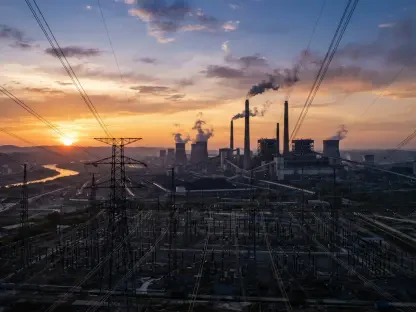
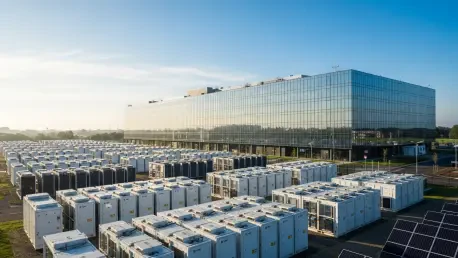
The North American energy landscape has encountered a significant bottleneck because the supply of traditional power-generation hardware, specifically large-scale gas turbines, has failed to keep pace with the rapid construction of new data facilities. Developers tasked with deploying high-intensity computing clusters have found themselves in a difficult position where the aging electrical grid cannot provide the necessary reliability or capacity. To bridge this gap, the industry has turned aggressively toward massive renewable energy installations paired with robust battery storage solutions. This combination has emerged as the only viable method for ensuring constant uptime while maintaining the flexibility to absorb sudden surges in power consumption. By utilizing these storage systems as a primary interface between the data center and the utility provider, operators have managed to bypass many of the delays associated with expanding conventional thermal power plants in an increasingly constrained market environment.
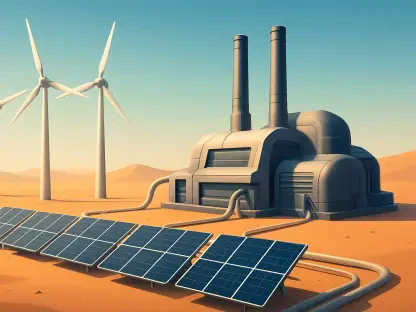
In China, the strategic focus has shifted toward a policy-driven model that redistributes heavy computational workloads from economically dense eastern provinces to resource-rich western regions. This initiative, commonly known as the “East Data West Computing” project, requires the transport of immense amounts of data over long distances, which in turn creates unique pressures on the regional power grids. To mitigate the high-load shocks associated with these massive data transfers, Chinese authorities have mandated the implementation of grid-forming energy storage and long-duration battery systems. These technologies function as a vital buffer, protecting the fragile electrical infrastructure of the western provinces from the intense and variable demands of modern AI processing. This systematic integration of storage ensures that the national digital strategy remains resilient, allowing for the efficient utilization of renewable energy generated in the desert regions while maintaining the stability of the entire interconnected network.
Technical Architecture: The Rise of Layered Energy Storage
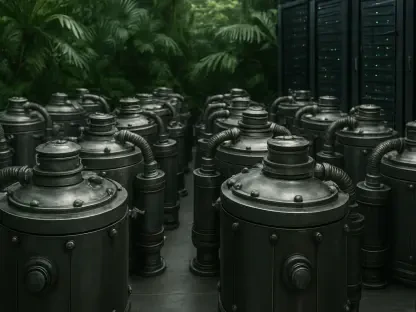
To manage the immense stress that AI-driven computing places on local utilities, the industry has widely adopted a two-tiered technical architecture that begins at the facility level. Large-scale battery energy storage systems, often called BESS, serve as the primary defense against grid load volatility by smoothing out the consumption pulses generated during intensive training runs. These massive battery installations do more than just provide backup; they allow data centers to function as active participants in the power market through activities like peak shaving and frequency regulation. By discharging stored energy during periods of high demand and recharging when the grid is less stressed, these facilities have transformed from passive energy consumers into valuable assets for utility operators. This symbiotic relationship helps to stabilize the overall electrical ecosystem, ensuring that the rapid expansion of high-density computing does not lead to localized blackouts or degradation of power quality for other nearby users.
Innovation has also penetrated the internal layout of the data center, where energy storage is now being integrated directly into the server racks through specialized battery backup units and supercapacitors. These components are designed to handle millisecond-level power anomalies that could potentially damage sensitive hardware or cause catastrophic data loss during critical operations. By placing the energy storage as close as possible to the compute load, operators can ensure an instantaneous discharge during transients without the energy losses typically associated with centralized uninterruptible power supplies. This localized approach allows for much higher power densities within individual racks, which is a fundamental requirement for the liquid-cooled GPU clusters that dominate the current hardware market. This granular level of power management ensures that even the most demanding computational tasks can proceed without interruption, protecting multi-million-dollar hardware investments from the nuances of fluctuating electrical currents.
Economic Transitions: Driving Intelligent Energy Management
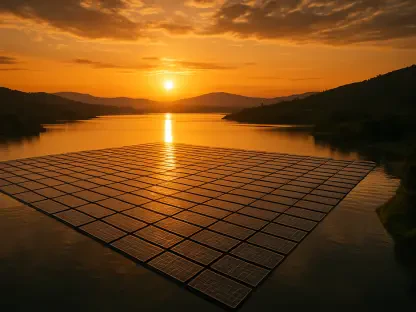
The economic landscape surrounding the energy transition has reached a tipping point as the manufacturing costs for solar modules and lithium-ion batteries have continued to decline. In many competitive global markets, the “solar-plus-storage” model has officially surpassed traditional natural gas and nuclear power generation in terms of cost-effectiveness and speed of deployment. This financial shift has accelerated the adoption of green energy solutions among data center operators who are seeking the most affordable ways to power their massive, high-load operations. Because the operational expenses of AI facilities are heavily dictated by energy costs, the move toward integrated renewable storage has become a logical choice for maintaining a competitive edge. This trend has created a virtuous cycle where the increased demand for storage systems drives further innovation and scale in manufacturing, leading to even lower prices and broader accessibility for players across the technology sector who are looking to modernize their existing infrastructure.
The relationship between artificial intelligence and power management evolved into a closed-loop system where machine learning algorithms were deployed to optimize the very energy networks that sustained them. Advanced energy management systems utilized predictive analytics to anticipate load spikes and distribute power across the grid in real-time, which significantly reduced waste and improved overall efficiency. Forward-thinking organizations recognized that energy storage was no longer a standalone hardware requirement but rather an intelligent, integrated layer of the broader technical ecosystem. These entities prioritized the implementation of modular storage designs and invested in cross-platform software that allowed for seamless communication between the data center and the utility provider. By adopting these strategies, operators successfully mitigated the risks of grid instability and prepared their facilities for the next generation of high-density computing. This holistic approach proved that the future of technology was as much about power resilience as it was about raw processing speed.