
The modern American energy landscape is currently undergoing its most profound structural transformation in nearly a century, transitioning from a predictable fossil fuel-based system into an incredibly complex web of renewables, integrated grids, and digital infrastructure. This shift is not merely a technical evolution but a fundamental rewrite of the national security playbook, where economic stability is increasingly tied to the reliability of high-tech power systems.
Navigating the High-Stakes Transformation of the U.S. Energy Landscape
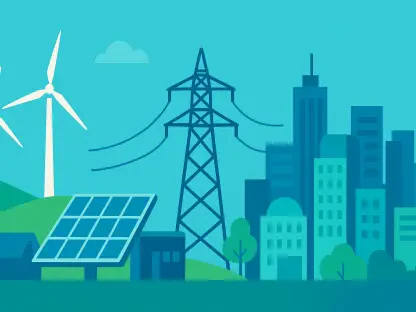
The domestic energy market has moved rapidly away from the traditional dominance of fossil fuels toward a more integrated and diversified model. This new system incorporates a delicate balance of legacy petroleum and natural gas assets alongside a rapidly expanding portfolio of solar, wind, and storage technologies. As these sectors converge, the complexity of managing the centralized power grid has increased exponentially, requiring sophisticated coordination between various energy providers and federal regulators.
Energy remains the primary pillar of both national security and economic growth, serving as the literal fuel for industrial output and consumer confidence. The regulatory framework governing this sector must now account for both domestic production needs and the growing importance of international exports, particularly as American energy products become vital to global allies. Key players in the industry are forced to navigate these changing rules while maintaining the physical security of vast infrastructure networks.
Identifying the Catalysts of Domestic Demand and Market Volatility
Surging Power Requirements and the Electrification of Industry
One of the most significant pressures on the modern grid is the massive electricity appetite of artificial intelligence and the data centers that support it. These high-tech facilities require constant, high-volume power that challenges traditional generation capacities. Furthermore, the rapid electrification of the automotive sector and residential heating systems has added layers of demand that the existing infrastructure was never designed to handle, leading to potential bottlenecks during peak usage times.
Technological shifts have also altered the generation mix, as coal-heavy plants are retired in favor of natural gas and renewable sources. This transition is largely driven by changing consumer behaviors and a rising expectation for carbon-neutral energy options. However, the speed of this shift sometimes outpaces the construction of necessary transmission lines, creating a mismatch between where power is generated and where it is most needed.
Quantitative Outlook: Growth Projections and Price Indicators
Forecasting consumption patterns through 2030 suggests a steady increase in demand that could outstrip current supply projections if storage inventory levels remain stagnant. Performance indicators, such as fuel production volumes and battery capacity, are now watched with the same intensity as stock market indices. Monitoring these trends requires a comprehensive data approach that tracks everything from pipeline flow to residential smart meter data.
The concept of an energy dashboard has become vital for economic forecasting, allowing analysts to see the real-time impact of supply-demand imbalances. These fluctuations have a direct effect on national inflation rates and the overall growth of the gross domestic product. If the gap between demand and production continues to widen, the resulting price volatility could act as a significant drag on the broader economy.
Strategic Obstacles: Geopolitical Tensions and Infrastructure Constraints
Global instability, particularly in the Middle East, continues to create ripple effects that hit American consumers at the pump and in their utility bills. While the United States has achieved a high degree of energy independence, the global nature of supply chains means that domestic fuel prices remain sensitive to international conflicts. This sensitivity highlights the ongoing vulnerability of the American economy to events occurring thousands of miles away.
Domestically, the aging power grid represents a significant physical risk, as infrastructure built decades ago struggles to cope with modern demand spikes and extreme weather events. The diesel dilemma further complicates this picture, as disruptions in industrial fuel supplies impact the logistics and construction sectors. Enhancing the physical and cyber security of these utility networks has become a top priority for both private companies and government agencies.
The Evolving Regulatory Environment and National Security Mandates
Federal and state policies regarding liquefied natural gas export permits and domestic drilling rights are currently in a state of flux, impacting long-term investment strategies. Environmental standards are also shaping the speed of the transition from traditional fuels to renewables, often creating tension between economic goals and sustainability mandates. Compliance with these evolving rules requires constant adaptation from energy producers.
Addressing the risks of foreign interference in energy supply chains has become a critical component of national security. Government subsidies and tax incentives are being utilized to encourage the development of domestic supply chains for critical minerals and renewable technologies. These financial tools are designed to reduce reliance on external actors and ensure that the future energy mix is both secure and affordable.
The Future of American Energy: Disruption, Innovation, and Global Leadership
Emerging technologies like small modular reactors and advanced battery storage systems offer a potential solution to the reliability issues of renewable power. These innovations could provide a steady baseline of carbon-free energy that complements the intermittent nature of wind and solar. Additionally, natural gas continues to serve as a vital bridge fuel, balancing the needs of the domestic power grid with the global demand for American energy exports.
Global economic shifts and new trade alliances are redefining what it means for the United States to be energy independent. Future market disruptors, such as decentralized microgrids and green hydrogen production, are expected to further decentralize the energy landscape. These advancements will likely empower local communities and businesses to manage their own energy needs while contributing to a more resilient national system.
Synthesizing the Risks: A Unified Approach to Energy Security
The analysis of the American energy sector demonstrated that isolated data points no longer sufficed to explain economic health. Stakeholders realized that the convergence of domestic demand spikes and international volatility created a unique risk profile that required a multifaceted response. The reliance on crude oil prices as the primary indicator of economic vitality faded as the importance of grid stability and diesel availability took center stage.
Policymakers and investors adopted new strategies that prioritized the diversification of energy sources and the modernization of aging infrastructure. The report found that proactive investments in storage technology and cyber defense successfully mitigated many of the inflationary pressures seen in previous cycles. This comprehensive approach ensured that the energy economy remained a source of strength and prosperity for the nation.