


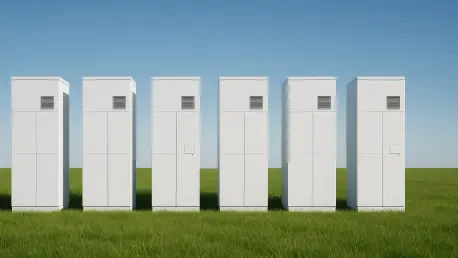

The decommissioning of a nuclear power plant often leaves a town grappling with a profound economic vacuum and a massive, silent infrastructure that serves as a reminder of a bygone industrial era. In Vernon, Vermont, the site formerly known as Vermont Yankee is currently at the center of a transformative proposal that could redefine the region’s energy landscape by hosting a massive battery storage system. PowerTransitions, a Texas-based energy development firm, has pivoted its strategy to align with local preferences after a previously suggested data center project failed to gain traction among residents. This new direction seeks to utilize the existing high-voltage transmission lines that once funneled nuclear power into the regional grid, repurposing them for modern energy management. By focusing on a Battery Energy Storage System, the company hopes to bridge the gap between historical industrial utility and the urgent requirements of a carbon-neutral electrical grid.
Strategic Realignment: The Shift to Storage
The shift from a data center concept to a battery storage facility represents a calculated effort to respect the specific developmental anxieties of the Vernon community while maximizing the utility of the 140-acre property. During a recent public forum where over one hundred residents voiced their opinions, representatives from PowerTransitions emphasized that no formal state filings for siting approval would proceed without a demonstrable consensus of local support. This approach marks a significant departure from typical industrial development cycles, prioritizing community sentiment as a prerequisite for technical advancement. The proposed facility would occupy roughly fifteen acres of land currently managed by NorthStar Services, the entity responsible for the ongoing decommissioning of the nuclear reactor. By integrating the project into the existing footprint, the developers aim to minimize additional environmental disruption while capitalizing on the massive electrical capacity built into the site.
When examining the technical specifications of the proposed installation, the sheer scale of the project distinguishes it from any existing energy infrastructure in the state of Vermont. While current battery systems throughout the region typically operate within a range of five to twenty megawatts, PowerTransitions is targeting a capacity between 110 and 440 megawatts. This massive increase in storage capability would provide the regional grid with a crucial buffer, allowing for the capture and redistribution of renewable energy during peak demand periods. The facility would act as a giant reservoir, smoothing out the intermittency of solar and wind power which are becoming increasingly prevalent in the Northeast. Although the physical footprint is relatively small compared to the total acreage available, the concentration of energy density would place Vernon at the forefront of the state’s transition toward a modernized electrical architecture, effectively turning a retired asset into a pivotal node.
Safety Protocols: Managing Risk and Waste
Public discourse surrounding the project is heavily influenced by the presence of fifty-eight canisters of high-level nuclear waste that are slated to remain on the property for the indefinite future. Residents have expressed valid concerns regarding the proximity of large-scale lithium-ion battery arrays to these spent fuel containers, citing historical incidents of thermal runaway and fires in California and Arizona. The primary fear is that a fire at the battery facility could present a unique challenge to the emergency response teams tasked with managing a site that still contains radioactive material. To address these anxieties, PowerTransitions has engaged fire protection experts to detail the rigorous safety protocols and physical barriers that would separate the storage units from the dry cask storage area. The dialogue has remained focused on ensuring that the evolution of the site does not compromise the long-term safety of the community or the integrity of the waste containment systems.
In response to the safety concerns raised by the public, fire protection engineer Rocky Edwards provided a detailed analysis of how modern Battery Energy Storage Systems have evolved to prevent the failures seen in earlier iterations. He argued that current technologies and the stringent requirements of the Vermont State Fire Code provide a robust framework for hazard mitigation that was largely absent during the initial wave of battery deployments. Modern systems utilize advanced thermal management, localized suppression kits, and sophisticated monitoring software designed to isolate and extinguish potential issues before they escalate into larger fires. Furthermore, the siting of the facility would be subject to rigorous state oversight, ensuring that every component meets the highest safety standards before a single battery is installed. This emphasis on updated engineering standards aims to provide the community with the assurance that technological advancements have significantly lowered the risks associated.
Economic Outlook: Balancing Revenue and Growth
From an economic perspective, the project offers a complex trade-off between immediate employment and long-term fiscal contributions to the municipal budget of Vernon. While the construction phase would generate temporary labor opportunities, the permanent operational staff is expected to consist of fewer than a dozen full-time positions due to the highly automated nature of battery management systems. However, the developer has proposed a financial package that includes negotiated annual payments to the town in addition to standard property taxes, providing a predictable revenue stream for local infrastructure and services. This financial model is designed to compensate for the loss of tax revenue following the closure of the nuclear plant without requiring the same level of municipal services that a large-scale industrial employer or data center might demand. The promise of fiscal stability serves as a significant incentive for a town looking to rebuild its economic base while maintaining its quiet, rural character.
Ultimately, the transformation of the former Vermont Yankee site into a major storage hub represented a logical evolution of existing utility infrastructure into the modern era. PowerTransitions concluded that the project would only move forward if the community felt empowered by the development rather than threatened by its scale or proximity to radioactive materials. If the necessary local backing is secured, construction is projected to commence between 2029 and 2031, providing the region with a critical tool for managing the complexities of a greener electrical grid. Stakeholders recognized that the transition required a delicate balance between leveraging industrial history and ensuring the absolute safety of future generations. By prioritizing transparency and engineering rigor, the developers sought to prove that retired nuclear facilities can serve as the foundation for a sustainable energy future. The process highlighted the importance of collaborative planning, ensuring the legacy of the site became one of innovation.







