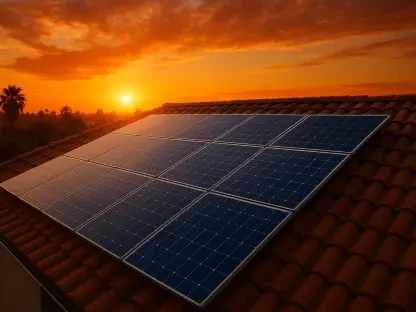

Global sales for solar and wind equipment are projected to be 60% higher by 2050 compared to 2026 due to the rising demand for replacement parts. This projection highlights a pivotal transformation in the renewable energy sector, moving away from a decade of pure growth toward a period defined by technical renewal and asset maturity. As the industry manages an existing base of 3.5 terawatts of operational capacity, the focus has expanded to include the systematic upgrading of aging infrastructure. This new phase is not simply about maintenance; it is a multi-billion-dollar economic evolution that challenges existing manufacturing pipelines and grid management strategies. In 2026, the transition is already visible as early-stage solar farms and wind projects reach the end of their design lives. Managing this 2.5-terawatt wave of aging hardware requires a coordinated global approach to ensure that the progress made during the initial transition is not lost to mechanical degradation.
Navigating the Life Cycle of Aging Green Infrastructure
Strategic Choice: Retire, Extend, or Repower
Asset owners currently managing mature installations face a critical choice between decommissioning, life extension, or repowering their facilities. Decommissioning involves the complete removal of assets, which often results in a net loss of clean energy capacity and high site restoration costs. Alternatively, life extension through software optimization and minor component replacement can keep a plant operational for several more years, though it often leads to higher per-megawatt maintenance expenses. Repowering has emerged as the most attractive option, allowing developers to replace outdated hardware with modern, high-efficiency equipment while retaining their valuable grid connections and land permits. This strategy effectively bypasses the lengthy administrative delays and grid interconnection queues that currently hinder new project development. By refreshing these established sites, the industry can maintain its generation footprint while significantly increasing the total energy output of the existing global fleet.
Technological Gains: Improving Site Efficiency
The current push for renewal is largely driven by staggering advancements in hardware efficiency that have occurred over the last twenty years. Since the mid-2000s, solar module efficiency has increased dramatically, and by 2026, the introduction of next-generation cell architectures has pushed performance even further. These technological leaps mean that modern equipment can produce the same amount of electricity as older models while occupying up to 30% less space. This density improvement allows asset owners to “upsize” the capacity of their existing sites without needing additional land, reducing the overall environmental footprint of the project. Furthermore, new turbine designs and bifacial solar panels capture more energy per unit of material, enhancing the lifecycle sustainability of the entire sector. By prioritizing these upgrades, the industry is not just replacing worn-out parts but is fundamentally enhancing the productive capacity of the grid, ensuring that every acre of dedicated land is utilized to its maximum potential.
Economic Shifts and Policy Requirements in a Replacement Market
Financial Outlook: Manufacturing and Pricing Impacts
The emergence of a robust replacement market provides a significant long-term opportunity for equipment manufacturers who can pivot their production lines to meet renewal demand. While the growth of new greenfield projects remains essential, the consistent need to refresh 2.5 terawatts of capacity creates a stable revenue floor that was previously absent in the volatile renewable energy market. However, this shift also brings complex pricing dynamics to the wholesale electricity market. In mature regions, the high efficiency of repowered assets can lead to downward pressure on power prices, potentially disrupting traditional revenue models for merchant power producers. This environment requires asset managers to adopt more sophisticated financial forecasting and to integrate energy storage solutions to remain competitive. As electricity becomes cheaper due to these efficiency gains, the economic challenge shifts from the cost of generation to the management of price volatility and the assurance of long-term profitability in a high-supply landscape.
Policy Alignment: Addressing the Replacement Gap
Stakeholders successfully bridged the replacement gap by integrating decommissioning realities into national climate targets and legislative frameworks. Policymakers moved beyond gross capacity goals and began tracking net additions, which ensured that the retirement of old assets did not undermine decarbonization progress. They implemented streamlined permitting for repowering projects, recognizing that maintaining existing sites was faster and more cost-effective than starting anew. Manufacturers invested heavily in circular supply chains, allowing for the recovery of critical minerals from retired modules and turbines, which stabilized material costs and improved industry resilience. Financial institutions also developed new lending models tailored to the unique risks of asset renewal, providing the capital necessary for large-scale upgrades. By 2026, the industry had established a clear roadmap for lifecycle management, proving that the era of energy renewal was not a hurdle but a catalyst for a more efficient and durable global energy system.