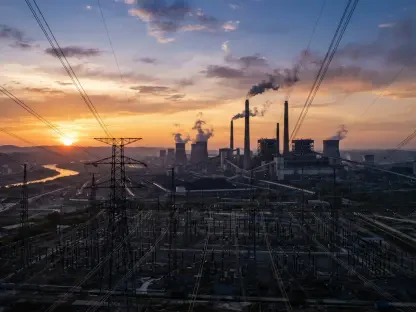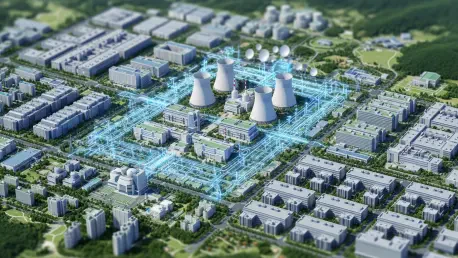

The massive industrial engines that drive South Korea’s global standing are currently reaching a critical threshold where the hunger for reliable electricity far outstrips the traditional limits of national power grids. For several years, the national strategy leaned heavily toward a rapid expansion of renewable energy sources, yet the practical realities of maintaining a dominant position in the global technology race have necessitated a profound shift in thinking. Policymakers are now moving away from the ideological debates of the past, choosing instead a pragmatic path that positions nuclear energy as a vital partner to wind and solar power. This transition is not merely a change in utility management but a calculated move to ensure that the nation’s technological infrastructure remains robust in the face of escalating global competition. By integrating carbon-neutral nuclear power back into the core of the energy mix, the state aims to provide the stable foundation required to support the next generation of digital and industrial evolution.
Powering the Industrial Pillars: Semiconductors and Artificial Intelligence
The sheer scale of electricity demand in South Korea is projected to grow at an unprecedented rate, primarily driven by three industrial pillars: advanced semiconductor fabrication, massive hyper-scale data centers, and the development of physical Artificial Intelligence infrastructure. These sectors function as the high-performance engines of the modern economy, yet they are notoriously energy-intensive, requiring a constant and unwavering stream of power to operate at peak efficiency. Unlike traditional manufacturing, where minor interruptions might be managed, a high-tech semiconductor plant or a global data hub can suffer billions of dollars in losses from even a momentary dip in voltage or a brief blackout. Consequently, the stability of the national grid has become a matter of national security and economic survival. To mitigate these risks, the government is prioritizing energy solutions that can guarantee a steady supply, recognizing that the future of the nation’s tech sector depends entirely on power reliability.
While the commitment to an aggressive rollout of solar and wind energy remains a central component of the national strategy, there is an increasing recognition that intermittent sources cannot carry the industrial load alone. This realization has sparked a transition toward what experts call a New Energy Realism, where economic survival takes precedence over ideological energy dogma. The inherent variability of weather-dependent power creates a significant reliability gap that could jeopardize the long-term viability of the country’s high-tech megaprojects. This reality has forced a strategic repositioning of nuclear power as the essential baseload source, providing the consistent, carbon-neutral foundation that renewable sources currently lack. By utilizing nuclear reactors to maintain a continuous energy floor, the state ensures its semiconductor lines and AI training clusters never experience downtime, allowing for the pursuit of decarbonization without sacrificing industrial strength.
Strategic Implementation: The Basic Plan and Infrastructure Integration
The strategic blueprint for this energy transition is codified in the 12th Basic Plan for Electricity Supply and Demand, a comprehensive roadmap spanning from 2026 to 2040. This policy framework is being actively revised to account for the massive surge in electricity requirements triggered by the global explosion of generative AI. To ensure speed, officials prioritize legislative streamlining to compress the construction timelines of reactors, specifically focusing on key regional sites like the Hanbit plant in Yeonggwang and existing facilities in Ulsan. By embedding nuclear expansion directly into this long-term national planning, the government fosters a predictable energy environment that encourages capital investments from technology giants. The objective is to align aggressive environmental targets with the immediate, high-volume needs of the industrial sector, ensuring that energy scarcity does not become a bottleneck for the nation’s continued economic growth.
The successful integration of nuclear power into the broader grid required a delicate balance between public safety concerns and urgent industrial demands. Policymakers acted to modernize regulatory frameworks, which simplified the approval process for new reactor designs while maintaining rigorous safety oversight. It was determined that the most effective path forward involved the synchronization of power grid expansions with the construction of new data centers to minimize transmission losses. Stakeholders emphasized the importance of investing in small modular reactor technology to provide localized power for industrial complexes, thereby reducing the burden on the national transmission system. Moving forward, the focus shifted toward establishing a permanent waste management solution to ensure the long-term sustainability of the nuclear program. By prioritizing these structural improvements, the nation secured the necessary energy foundation to lead the fourth industrial revolution.