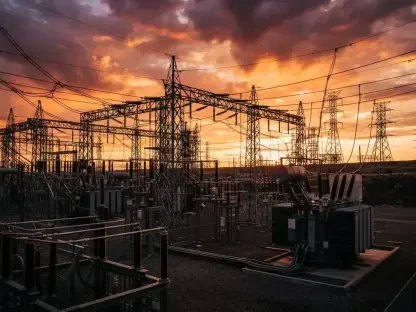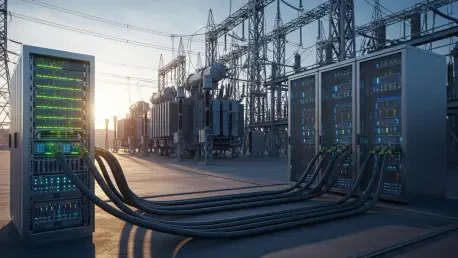

The rapid proliferation of generative artificial intelligence has fundamentally altered the global industrial landscape, moving the primary constraint from semiconductor availability to electrical capacity. While the early years of the current decade were defined by a desperate scramble for high-end graphics processing units, the current environment is increasingly characterized by a fierce competition for access to the electrical grid. Hyperscalers are discovering that while they can order hardware in bulk, the physical infrastructure required to power tens of thousands of interlinked chips remains stubbornly tethered to aging utility systems and slow-moving regulatory approvals. This shift represents a significant pivot in the technological arms race, where the ability to secure steady, high-voltage power feeds is now just as critical as having the best algorithms or the largest datasets. Consequently, the conversation among industry leaders has moved from architectural efficiency to the fundamental physics of power distribution, highlighting a precarious reliance on a grid that was never designed for such concentrated loads.
The Rising Strain: Assessing Power Consumption Trends
Data Centers and the Utility Capacity Crunch
The sheer volume of electricity required to sustain a modern cluster of specialized AI processors has forced utility providers to rethink their long-term growth projections across major metropolitan areas. For instance, in Northern Virginia and parts of the Silicon Forest, the sheer density of rack-mounted hardware has pushed existing substations to their thermal limits, leading to multi-year delays for new facility connections. These delays are not merely bureaucratic but reflect the physical reality of upgrading high-voltage transmission lines that must cross multiple jurisdictions and withstand extreme weather events. As large-scale language models continue to grow in complexity, the wattage required per individual rack has skyrocketed from ten kilowatts to nearly one hundred kilowatts in some leading-edge installations. This drastic increase places an unprecedented burden on the transformers and switchgear that manage the flow of electricity, necessitating an overhaul of how data centers are integrated into regional energy markets to prevent localized brownouts during periods of peak demand.
Regional Competition: Industrial vs. Technological Power Use
This escalating demand for electricity has created a tense environment where technological expansion often clashes with the power needs of local communities and traditional manufacturing sectors. In regions where the grid is already stretched thin, the arrival of a massive new server farm can lead to increased utility rates for residential consumers or a refusal to grant power permits for new housing developments. This dynamic has sparked a wave of regulatory scrutiny as lawmakers attempt to balance the economic benefits of hosting high-tech companies with the basic infrastructure rights of their constituents. Furthermore, the push for electrification in other sectors, such as the automotive industry and heavy manufacturing, means that AI is competing for the same limited pool of renewable energy credits and carbon-free generation capacity. To mitigate this friction, some developers are looking toward less congested regions, yet even these areas often lack the robust fiber-optic connectivity and skilled labor force required to support advanced computing operations, leaving the industry in a difficult position where energy availability dictates geography.
Strategic Solutions: Navigating the Energy Gap
On-Site Generation: The Rise of Nuclear and Renewable Microgrids
To bypass the limitations of the public grid, major technology firms are increasingly investing in private energy infrastructure, often centered around small modular reactors and massive solar-storage complexes. By co-locating data centers with dedicated energy sources, such as the recent efforts to restart decommissioned nuclear units at Three Mile Island, companies are attempting to decouple their growth from the vagaries of local utility planning. These microgrids provide a reliable and carbon-neutral baseline of power that can run continuously, which is essential for the training of foundational models that require months of uninterrupted uptime. Additionally, the integration of advanced battery storage systems allows these facilities to buffer their consumption, drawing from the grid when demand is low and operating independently during peak hours. This move toward energy self-sufficiency represents a significant evolution in the business model of cloud providers, effectively turning software companies into utility operators who must manage complex portfolios of energy assets alongside their server fleets to ensure long-term operational stability.
Optimized Architectures: Reducing the Energy Cost of Intelligence
Moving forward, the focus shifted toward architectural optimizations that prioritized performance per watt rather than raw computational power at any cost. Engineers and developers began implementing more efficient quantization techniques and sparse model architectures that significantly reduced the number of active parameters required during the inference stage of model deployment. This approach allowed for a meaningful reduction in the thermal footprint of global computing clusters, providing a necessary reprieve for the overextended cooling systems in major facilities. Organizations also prioritized the deployment of liquid cooling technologies and more sophisticated heat recovery systems that repurposed waste energy for industrial or residential heating. By adopting these hardware-software co-design strategies, the industry established a clearer path toward sustainable scaling that respected the physical constraints of the planet. These steps ensured that the trajectory of artificial intelligence remained viable, encouraging a shift toward decentralized computing and edge-based processing that distributed the electrical load more evenly across the global infrastructure landscape.