
The Pacific Northwest faces a transformative shift in its energy landscape as regional demand is projected to surge by 50% from 2026 to 2032. This rapid escalation, fueled by the expansion of high-density data centers and the widespread electrification of the transportation and building sectors, requires a robust and immediate response. The Northwest Power and Conservation Council (NWPCC) has recently drafted the Ninth Power Plan to serve as a roadmap for this evolution.
By prioritizing the integration of 11 GW of new generation and 5.2 GW of energy storage, the council aims to fortify the grid across Oregon, Washington, Idaho, and Montana. This analysis explores how the region intends to balance aggressive growth with the transition toward a cleaner, more resilient power system. The plan serves as a critical blueprint for utility providers and policymakers who must manage this unprecedented increase in load while meeting strict environmental mandates.
Historical Context: The Catalyst for Unprecedented Load Growth
For the better part of a century, the Pacific Northwest enjoyed a competitive advantage rooted in its expansive hydroelectric infrastructure, which provided reliable and low-cost electricity. Traditional planning cycles were typically characterized by slow, predictable growth, allowing utilities to make incremental adjustments to their generation portfolios. However, the current landscape has deviated from this historical norm due to the massive influx of technology firms and the transition toward carbon-neutral economies.
These factors have compressed what was once decades of growth into a mere six-year window, necessitating a radical shift in regional resource adequacy management. The energy-intensive nature of artificial intelligence and cloud computing has created a baseline load that the existing grid was not originally designed to support. Consequently, the transition from 2026 onward represents not just an expansion, but a complete reimagining of the regional energy architecture.
The Energy Portfolio: Strategic Resource Allocation
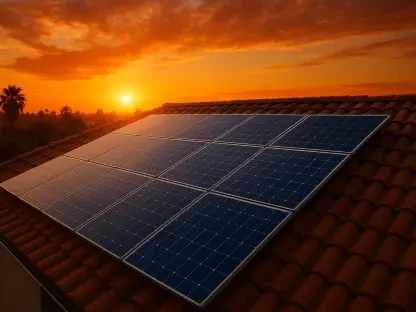
To address the looming shortfall, the Ninth Power Plan proposes a diversified portfolio that prioritizes carbon-free resources without sacrificing grid stability. The council calls for the addition of 9 GW of renewable energy, primarily wind and solar, to serve as the backbone of the region’s new generation. This allocation reflects the region’s commitment to low-emission energy while acknowledging the logistical complexities of such a rapid rollout.
Balancing Renewables: The Need for Firm Generating Capacity
Wind and solar are expected to provide the bulk of this new capacity, but their intermittent nature presents a significant challenge for grid operators who must ensure constant reliability. To mitigate the risk of outages during periods of low renewable output or extreme weather, the plan incorporates 2.1 GW of natural gas as “firm” capacity. This strategic inclusion ensures that the region has dispatchable power available whenever the weather does not cooperate, maintaining a necessary safety net.
The Critical Role: Energy Storage and Grid Flexibility
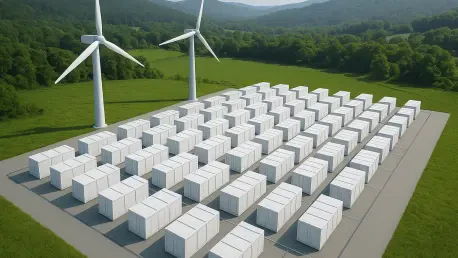
Innovation in energy storage is perhaps the most distinctive feature of the new regional strategy, with a target of 5.2 GW of storage capacity by 2032. This storage infrastructure functions as a buffer, capturing surplus energy during peak production hours and redistributing it when the sun sets or the wind dies down. This push toward battery technology and other storage mediums reflects a maturing market and a commitment to reducing the carbon footprint of peak-load management.
Geographical Shifts: Navigating Regional Regulatory Disparities
The implementation of the plan is not a uniform process across the four-state region due to varying state-level environmental regulations. Oregon and Washington have enacted strict laws that effectively prohibit the construction of new natural gas facilities, which creates a logistical puzzle for regional planners. As a result, the modeling suggests that new gas-fired generation will likely be concentrated in Idaho and Montana, necessitating a high degree of inter-state cooperation.
Future Innovations: Trends in Energy Management
Looking forward, several innovations are expected to redefine how the Northwest consumes power. The NWPCC is increasingly focusing on demand-side management, particularly regarding the high-density load of data centers. Future trends suggest a move toward stricter energy-efficiency standards for tech hubs and the integration of demand-response programs, where large consumers reduce their intake during peak periods in exchange for financial incentives.
Additionally, as the Western Transmission Expansion Coalition pushes for better connectivity across state lines, the region may see the emergence of a more unified Western energy market. This shift would allow for the efficient transfer of power across vast distances, reducing the likelihood of localized shortages. These technological and regulatory advancements are essential for transforming the grid into a more responsive and integrated network.
Actionable Strategies: Building a Resilient Power Grid
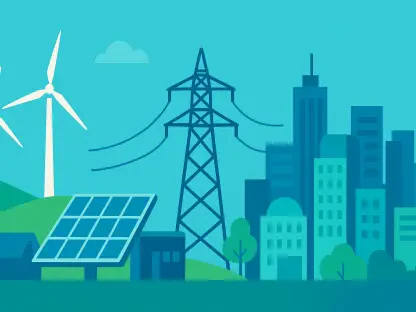
For utility providers and industrial consumers, the current trajectory requires a proactive approach to infrastructure investment. Accelerating the expansion of transmission lines is the most urgent priority, as without this “highway” system, the proposed 9 GW of new renewables cannot reach the markets that need them most. Stakeholders must prioritize these upgrades to unlock the full potential of carbon-free generation.
Businesses should also consider investing in onsite backup generation or microgrid technologies to protect themselves from potential volatility. Policymakers, meanwhile, must work to harmonize siting processes to ensure that project development can keep pace with the projected 50% growth in load. Effective coordination between the public and private sectors remains the only viable path to maintaining regional energy sovereignty.
Securing the Future: A Paradigm Shift in Regional Power
The draft Ninth Power Plan offered a clear-eyed assessment of the challenges facing the Pacific Northwest as it moved toward a more electrified future. By setting a target of 11 GW of new generation, the council established a necessary benchmark for maintaining the region’s economic competitiveness and safety. The plan successfully balanced the immediate need for firm capacity with long-term environmental objectives, highlighting the indispensable role of energy storage.
Stakeholders recognized that the transition required not only physical resources but also a significant degree of political and regulatory coordination. Ensuring a reliable power supply became a fundamental requirement for the continued economic prosperity of the four-state region. Ultimately, the framework served as a vital tool for ensuring that the Northwest remained a leader in sustainable and resilient energy production while meeting its growing technological demands.