Tongwei Solar is leveraging lithography printing and advanced cleaning techniques to reach a cell efficiency milestone of 27.50% by early 2028. This ambitious objective represents a broader pivot within the Chinese renewable energy sector, moving away from simple scale toward highly specialized
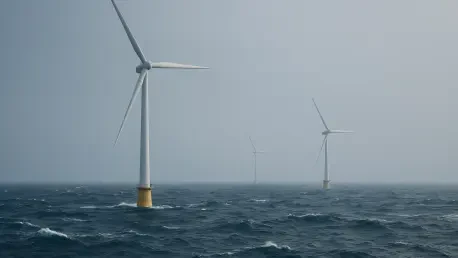
The global transition toward sustainable energy has reached a pivotal juncture where the limitations of traditional fixed-bottom offshore wind turbines are becoming increasingly apparent due to shallow-water constraints. While early developments primarily focused on the southwestern coastlines,

The use of organic waste residue as a fuel source offers a circular economy approach to reducing the environmental impact of the traditional automotive industry. This perspective has gained traction as manufacturers seek diverse methods to achieve carbon neutrality without abandoning the internal

The modernization project focuses on replacing the aging electrical protection and distribution frameworks that have supported the plant for more than four decades. This initiative, centered at the Sima hydropower plant in Eidfjord, represents a pivotal moment in Norway’s broader strategy to

Introduction: The Stakes of Offshore Energy Towering hundreds of feet above the relentless, freezing swells of the North Sea, massive offshore wind turbines stand as monuments to modern engineering that require constant, specialized human intervention to remain functional. The Westermost Rough wind

To remain competitive in the digital age, BMW partnered with the tech firm Momenta to co-develop the sophisticated driver assistance systems found in the Neue Klasse lineup. This partnership marks a pivotal transition for the automaker, as it integrates high-level autonomous driving capabilities