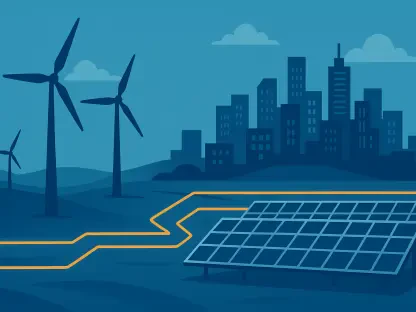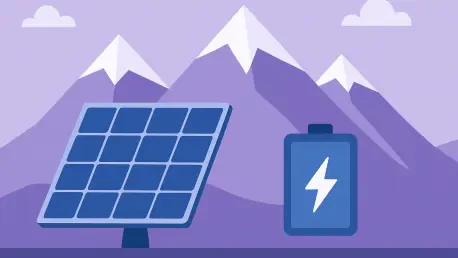

Engineering a solar plant in the rugged terrain near Kaza required specialized technology to handle the intermittency of renewable energy in a sensitive ecological zone. Located at Rongtong in the high-altitude Spiti Valley, this 2-megawatt facility represents a pivotal shift toward sustainable energy independence for the region. Chief Minister Sukhvinder Singh Sukhu officially inaugurated the state’s first solar project integrated with a Battery Energy Storage System, which cost approximately ₹4.42 crore to develop. Designed to generate 3.6 million units of green electricity annually, the plant harnesses the intense solar radiation typical of the Himalayan plateau. This initiative addresses the long-standing power deficits in isolated communities by moving away from carbon-intensive fossil fuels. The project serves as a cornerstone for local energy autonomy, ensuring that the geographic isolation of the district does not impede its transition to modern, reliable infrastructure.
Advanced Storage and Technical Engineering
The integration of a 1-megawatt-hour Battery Energy Storage System (BESS) distinguishes this facility from standard solar installations that often struggle with variable weather conditions. In the Spiti Valley, where environmental factors change rapidly, the battery system acts as a buffer that captures surplus energy during peak solar hours and releases it during the night or overcast days. This capability is essential for stabilizing the local microgrid, preventing the frequency fluctuations that can damage electronics or disrupt essential services. By pairing generation with storage, the project mitigates the inherent intermittency of renewable sources, providing a consistent 24-hour supply of electricity without the need for diesel backup. This shift lowers operational costs associated with transporting fuel to remote areas while reducing the local carbon footprint. The BESS technology represents a critical advancement in making decentralized energy systems viable for high-altitude zones.
Beyond storage capabilities, the project showcases the durability of modern solar technology in sub-zero temperatures. Engineers utilized specialized mounting structures and photovoltaic modules designed to withstand heavy snowfall and high-velocity winds characteristic of the 12,000-foot elevation. The synthesis of solar and battery technology demonstrates a growing consensus among energy experts that traditional grid expansion is often less effective than localized green microgrids. These decentralized systems offer greater resilience against natural disasters, such as landslides or avalanches, which frequently sever ties to the main national grid. The Rongtong facility serves as a testing ground for how energy management software can optimize the lifecycle of batteries in extreme climates. These localized green energy solutions provide a more resilient and environmentally conscious alternative to traditional infrastructure, supporting the state’s mandate to maximize regional resources.
Grid Modernization and Future Scalability
Parallel to the solar initiative, the state has committed to a comprehensive upgrade of the regional distribution network through the construction of two new 66/22 kV substations at Sumdo and Kaza. These substations, representing a significant investment of ₹47.95 crore, are designed to handle the increased load and complex flow of energy from multiple renewable sources. Strengthening this infrastructure is vital for the region’s development, as it allows for the integration of both the new solar capacity and existing hydroelectric power without overloading legacy systems. This modernized grid serves as the backbone for future economic expansion in the valley, supporting everything from healthcare facilities to the growing eco-tourism sector. By investing in high-voltage substations, the government is ensuring that the power generated locally can be efficiently distributed to the furthest reaches of the district, eliminating the connectivity issues that have plagued the area.
The completion of the Rongtong project established a new standard for high-altitude renewable energy deployment across the Himalayas. Moving forward, the focus shifted toward scaling this modular approach to other districts where geographical barriers remained hurdles to electrification. Policymakers recognized that the success of this pilot facility provided the data necessary to attract further investment into localized storage solutions. Instead of viewing these remote areas as energy-poor, the government treated them as laboratories for decentralization, proving that green microgrids could outperform centralized infrastructure in reliability. Future considerations involved the integration of electric vehicle charging and the electrification of heating systems to replace traditional fuels. These next steps ensured that the transition to clean energy was not just a technical update but a comprehensive strategy for sustainable development that prioritized local capacity building and long-term ecological preservation.