
Introduction: The Stakes of Offshore Energy
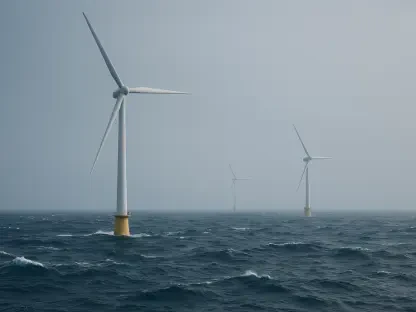
Towering hundreds of feet above the relentless, freezing swells of the North Sea, massive offshore wind turbines stand as monuments to modern engineering that require constant, specialized human intervention to remain functional. The Westermost Rough wind farm, located off the coast of East Yorkshire, represents a critical hub in this energy landscape, utilizing 35 sophisticated turbines to generate power for hundreds of thousands of homes. While the infrastructure is designed to harness the natural power of the wind, its ongoing operation depends on the physical courage and technical expertise of specialized maintenance crews.
This article examines the intricate processes and logistical challenges involved in keeping these maritime giants operational in a harsh environment. The scope of the discussion includes the specialized transportation methods used to reach the sites, the digital systems that predict mechanical failures, and the physical toll taken on the workers who perform these tasks. Readers will gain insight into how the renewable energy sector balances the need for high-output power with the uncompromising safety standards required for offshore labor.
Key Questions: Understanding the Technical Logistics
How Do Technicians Safely Access Massive Turbines in Open Water?
The journey to the heart of the North Sea begins at the Grimsby docks, where technicians board high-tech crew transfer vessels designed to navigate volatile maritime conditions. These boats, including specialized models like the Windcat, act as rugged transport systems that must handle unpredictable waves and freezing temperatures. While calm days are highly valued by the crew, the reality of the North Sea often involves challenging swells that require a high degree of seafaring skill to manage safely.
Accessing a turbine is a precision maneuver that relies on the vessel engines pushing the bow firmly toward the structure access ladder. This specialized docking technique creates enough friction to hold the boat steady against the tower, allowing technicians to step across the gap between the moving deck and the stationary ladder. Throughout this process, workers utilize fall-arrest systems and strict clipping protocols, as the margin for error in heavy seas is effectively zero, and operations are immediately halted if conditions exceed safety limits.
What Role Does Digital Telemetry Play in Daily Maintenance?
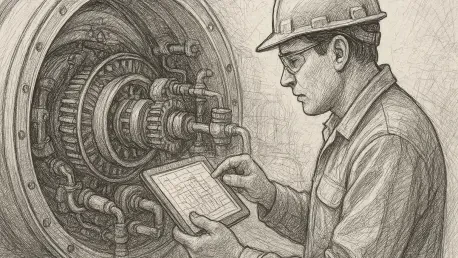
Maintaining an offshore wind farm is an information-heavy endeavor that begins with sophisticated digital diagnostics performed long before a ship leaves the dock. Modern turbines are equipped with thousands of sensors that stream real-time data back to shore-based control centers, monitoring everything from wind speed to the internal pressure of hydraulic systems. This telemetry allows technicians to act as troubleshooters, identifying specific fault codes and preparing for repairs with a high degree of accuracy.
This data-driven strategy is essential for managing the complex logistics of spare parts and component replacement. Because a technician cannot easily return to shore for a forgotten tool, the ability to predict exactly what is needed—whether it is a single specialized sensor or a large mechanical component—is a critical efficiency. This predictive maintenance is particularly vital during the summer months, as teams work to complete all necessary servicing before the onset of winter storms makes the towers inaccessible for long periods.
What Physical Demands Are Placed on Turbine Technicians?
The physical reality of working on a 6MW Siemens turbine involves a grueling climb that tests the limits of human endurance. While many modern towers are equipped with internal service lifts, these mechanical systems are not always operational, forcing technicians to ascend nearly 300 feet of vertical ladder manually. This climb is described by veterans as a punishing experience that causes the lungs to burn as workers move through the thick, industrial air inside the steel structure toward the nacelle at the summit.
Once at the top, the environment remains high-pressure and isolated, requiring technicians to perform delicate engineering tasks in a confined housing. Tools and heavy equipment are often hoisted to the nacelle using external cranes, necessitating perfect coordination and communication between the tower and the support vessel below. Despite the constant economic drive to minimize turbine downtime, the industry maintains a culture where the job takes as long as necessary to ensure every safety protocol is followed to the letter.
How Is the Industry Adapting to Economic and Technical Shifts?
The offshore wind sector currently operates at a crossroads of technological innovation and economic pressure. While sites like Westermost Rough successfully utilize locally manufactured components from regions like Hull, broader economic trends have led to the discontinuation of certain large-scale projects, such as Hornsea 4, due to rising material costs. These shifts highlight the ongoing debate regarding the financial feasibility of green energy targets and the impact of infrastructure costs on national energy prices.
Technological progress continues to offer potential solutions to these economic hurdles through automation and advanced delivery systems. Recent trials involving large cargo drones suggest a future where tool kits and smaller replacement parts are flown directly to the top of the turbines, bypassing the need for some crane operations. This shift aims to reduce the physical strain on workers and decrease the time turbines remain idle, potentially lowering the overall cost of maintenance as the industry moves through its current development cycle from 2026 to 2030.
Summary: Distilling the Core Insights of Offshore Work
The maintenance of offshore wind energy infrastructure is a multidimensional challenge that requires a unique combination of maritime expertise and digital literacy. Technicians navigate the volatile waters of the North Sea to reach massive 6MW turbines, where they perform both heavy physical labor and intricate technical repairs. This process is supported by a robust network of telemetry that allows for predictive maintenance, ensuring that the fleet remains functional even during the most difficult seasons.
Regional hubs like Grimsby and Hull continue to benefit from the economic activity generated by these wind farms, providing specialized career paths for local workers. While automation and drone technology offer new ways to streamline operations, the human element remains the most critical factor in the energy transition. The reliability of the power grid depends on the continued dedication of maintenance teams who operate far from the view of the public they serve.
Conclusion: Future Perspectives on Renewable Infrastructure
The technicians who managed the offshore sites through 2026 provided a vital link between sustainable energy goals and the daily reality of the power grid. They faced the dual challenges of a physically demanding maritime environment and a rapidly evolving digital landscape, proving that human skill remained essential to green infrastructure. The industry successfully integrated advanced telemetry and local manufacturing to stabilize energy outputs, even as economic pressures forced a reevaluation of certain future developments.
Observing these operations suggested that the long-term success of renewable energy would rely on a balance of technological innovation and the preservation of rigorous safety standards. As the sector moved toward more automated solutions, the insights gained from these early maintenance cycles helped refine the logistics of deep-water energy production. This era of industrial effort underscored the importance of the hidden labor that sustained the nation’s progress toward a more resilient and sustainable power network.