
The silent hum of a modern electrical grid often masks the volatile financial undercurrents required to sustain a state’s environmental ambitions. Massachusetts has long positioned itself as a national leader in the fight against climate change, setting aggressive, legally mandated targets to reach net-zero emissions by 2050. However, a growing controversy surrounding the nondisclosure of state-funded energy reports suggests a widening gap between public ambition and economic reality. As the Commonwealth moves to electrify everything from home heating to transportation, the physical infrastructure required to support this shift is under immense pressure. This analysis explores recent investigative findings regarding withheld studies that detail the staggering multi-billion-dollar price tag of grid modernization. By examining the tension between administrative secrecy and the public’s right to know, the goal is to uncover the true scale of the challenges facing the Bay State’s energy future.
Historical Context: The Road to Net-Zero
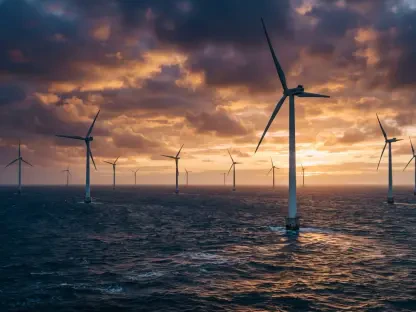
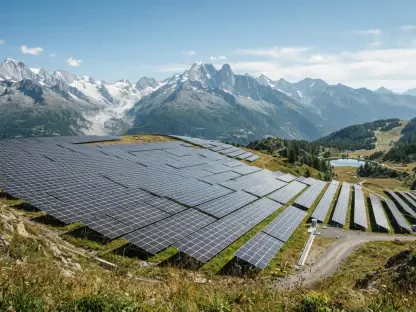
The transition to a green grid in Massachusetts did not happen overnight; it is the result of decades of legislative action, including the landmark Global Warming Solutions Act of 2008 and subsequent updates that codified the 2050 net-zero requirement. These policies were built on the premise that shifting away from fossil fuels is both an environmental necessity and an eventual economic boon. Historically, the state has relied on a mix of natural gas, nuclear, and imported hydroelectric power, but the current mandate requires a massive pivot toward intermittent renewables like offshore wind and solar. This shift necessitates a fundamental redesign of how power is distributed across the region.
Understanding this background is vital because it highlights that the current grid was never designed for the two-way flow of energy or the massive spike in demand that total electrification entails. For years, the distribution network functioned as a one-way street, delivering electricity from large power plants to homes. The rise of distributed energy resources, such as rooftop solar and residential battery storage, creates a complex landscape where the grid must manage varying loads and inputs simultaneously. This structural evolution is happening at a time when much of the existing equipment is nearing the end of its operational lifespan, creating a perfect storm of technical and financial requirements.
The High Price of Infrastructure and Information
The $46 Billion Warning: An Investment Gap
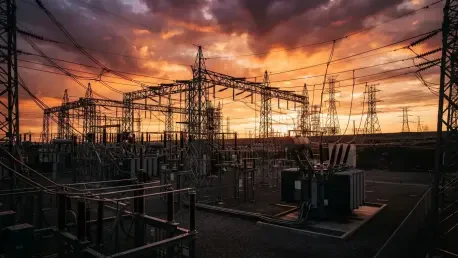
A central pillar of the current debate is a 2023 report by the Electric Power Research Institute (EPRI), commissioned by the Massachusetts Clean Energy Center (MassCEC) for nearly $380,000. This study, which the state did not proactively release, outlines a sobering financial reality: Massachusetts may need between $27 billion and $46 billion in capital investments by 2050 just to keep the electrical grid functional. These funds are required for essential upgrades—substations, transformers, and circuits—that serve as the backbone of the energy system. Furthermore, the report identifies a significant investment gap, noting that utilities are currently underspending by approximately $800 million per year.
The presence of such a massive gap suggests that the current pace of modernization is insufficient to meet the looming surge in demand, creating a reliability crisis that remains largely absent from official public discourse. While state officials often emphasize the environmental benefits of the transition, the raw data suggests a fiscal burden that has yet to be fully integrated into the public’s understanding of the green economy. Without a clear plan to close this $800 million annual deficit, the infrastructure may fail to support the very renewable energy projects the state is subsidizing. This financial discrepancy represents a major hurdle for market stability and long-term planning for energy-intensive industries.
A Pattern of Shelved Studies: Delayed Timelines
The EPRI report is not an isolated case of administrative opacity. Several other taxpayer-funded studies, totaling over $1.2 million in research costs, have been delayed or kept under review for extended periods. For instance, a study by the NMR Group intended to analyze the upfront costs of electrifying existing buildings saw its release date pushed from 2026 to 2028 without a clear justification. This shift in the timeline prevents stakeholders from assessing the immediate economic impact on the real estate sector, which is already grappling with high interest rates and construction costs.
Similarly, a $650,000 economic analysis by AECOM, designed to help officials navigate the financial hurdles of the net-zero transition, remains shielded from public view nearly two years after its inception. This pattern of slow-walking data suggests a strategic reluctance to engage with the public on the specific, high-dollar costs associated with climate mandates, particularly when those costs might fall on ratepayers. For businesses trying to forecast energy expenditures, this lack of transparency creates an environment of uncertainty that can stifle investment in the Commonwealth’s clean energy sector.
Technical Risks: The Peak Demand Challenge
Beyond the financial figures, the withheld data points to significant technical vulnerabilities in the state’s distribution system. As Massachusetts residents trade gas furnaces for electric heat pumps and internal combustion engines for electric vehicles, peak demand on the grid is projected to more than double. The EPRI study warns that without massive intervention, roughly 75% of the state’s distribution feeders—the lines that deliver power to neighborhoods—could face overloading. This is not merely a theoretical concern; overloading leads to equipment failure and widespread outages that could paralyze regional commerce.
By withholding these technical warnings, the state may be preventing a necessary conversation about grid reliability, leaving businesses and residents unprepared for the physical realities of a rapidly electrifying economy. The distribution system serves as the last mile of energy delivery, and its failure would render even the most successful offshore wind farm ineffective. There is a growing concern among energy analysts that the focus on generation has come at the expense of distribution, leading to a “bottleneck” effect where clean energy exists but cannot reach the end user during times of high demand.
Emerging Trends: The Future of Energy Policy
Looking ahead from 2026 to 2030, the tension between climate goals and affordability is likely to intensify, shaping the next decade of Massachusetts energy policy. One emerging trend is the shift toward top-down policy-making, where administrative offices digest complex data and present curated versions to the electorate to avoid political blowback from rate shock. However, technological innovations in grid management and long-duration storage may eventually offer ways to mitigate some costs. Advanced software that uses artificial intelligence to predict demand spikes and balance loads in real time is becoming a standard for utilities seeking to maximize existing infrastructure.
The regulatory landscape will likely see a push for more aggressive transparency laws as consumer advocates and business groups demand a clear roadmap for the energy transition. The evolution of the grid will likely move toward more localized microgrids and sophisticated demand-response systems, which can decouple certain sectors from the main distribution network during peak hours. While these innovations offer a path forward, their success depends on an honest assessment of the current system’s limitations. If the state continues to prioritize narrative over data, the transition may encounter avoidable obstacles that delay progress toward environmental targets.
Navigating the Path: A Transparent Transition
The findings from these suppressed reports offer several key takeaways for stakeholders across the energy spectrum. For policymakers, the primary lesson is that avoiding difficult conversations about costs does not make the expenses disappear; it only makes the eventual transition more chaotic. Effective leadership requires a proactive approach where the financial implications of net-zero goals are presented clearly, allowing for a democratic debate on how to fund these essential upgrades. This includes exploring public-private partnerships and federal funding opportunities to alleviate the burden on local ratepayers.
For businesses and consumers, the recommendation is to prepare for significant volatility in energy costs and to advocate for full transparency in utility rate cases. Actionable strategies include investing in localized energy efficiency and demanding that state agencies release all publicly funded research in a timely manner. To maintain public trust, the Commonwealth must transition from a reactive posture to a proactive one, where the true costs of a green grid are shared openly. Only through such honesty can the state build a coalition of support capable of sustaining the long-term investment required for a clean, reliable, and equitable energy future.
Conclusion: Balancing Ambition with Accountability
The investigation into the withheld energy reports of Massachusetts revealed a significant disconnect between environmental ambition and fiscal transparency. The research into grid modernization highlighted a massive financial hurdle, with required investments reaching as high as $46 billion. It was clear that withholding critical data offered only temporary political cover while increasing the risk of long-term system failure. The analysis showed that the state’s transition toward a green grid was technically feasible but required an unprecedented level of infrastructure spending that had been largely minimized in public discussions.
Moving forward, the focus must shift toward creating a resilient regulatory framework that mandates the immediate disclosure of all publicly funded energy studies. To ensure stability, the state should establish an independent oversight board to audit utility investment gaps and provide the public with biannual reports on grid health. Businesses and residents would benefit from incentive programs that prioritize “behind-the-meter” storage solutions, which could reduce the strain on the distribution feeders identified in the EPRI study. Ultimately, the path to a sustainable future was found to be dependent on an honest accounting of costs, ensuring that the transition remained both technically sound and economically viable for every citizen.