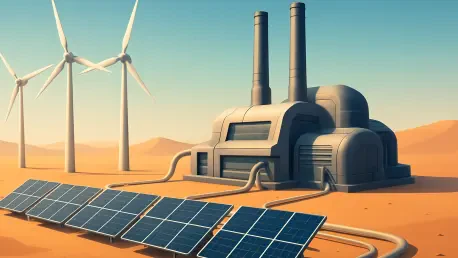

The inclusion of wind power into the regional Green Grid serves as a functional necessity to bridge the energy generation gap that occurs when solar production ceases at night. While the Australian outback is renowned for its relentless sun, the heavy industrial demands of iron ore extraction operate on a continuous cycle that does not pause when the horizon fades. To maintain a decarbonized energy flow, the integration of wind kinetic energy provides a critical balance, ensuring that the heavy machinery and processing plants remain powered without reverting to traditional fossil fuel reserves. This shift represents a broader movement within Western Australia to transform the Pilbara region into a global leader in sustainable mining. The current strategy moves beyond simple environmental compliance, viewing renewable infrastructure as a cornerstone of operational resilience and cost stability. By leveraging the thermal differences between the land and the ocean, these installations capture consistent air currents that peak during the evening hours, precisely when solar output drops to zero.
Engineering Scale and Technological Adaptation
The sheer physical scale of the Nullagine Wind Turbine Project is a testament to the extreme engineering required for modern industrial decarbonization. Each of the seventeen turbines stands at a height comparable to the Eiffel Tower, reaching nearly two hundred eighty meters into the sky to access the more powerful and laminar winds found at higher altitudes. The blades themselves represent a marvel of materials science, extending eighty-nine meters in length—roughly twice the wingspan of a standard commercial aircraft. These massive structures are specifically engineered to withstand the unique climatic challenges of the Pilbara, including intense heat and occasional cyclonic events that would compromise standard off-the-shelf equipment. By utilizing taller towers and larger swept areas, the system maximizes the capacity factor of each unit, allowing for a more efficient harvest of energy even during periods when surface-level wind speeds are relatively low. This specialized design ensures that the energy yield is optimized for the specific geographic footprint of the mining tenements.
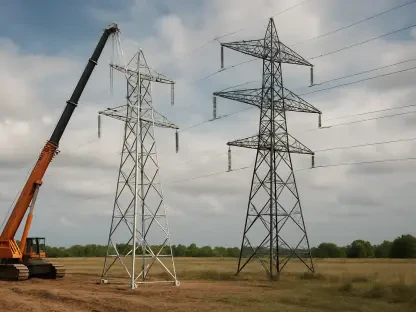
Achieving a stable green grid involves more than just installing turbines; it requires a sophisticated synchronization between wind, solar, and battery energy storage systems to create a unified power architecture. This multifaceted approach addresses the inherent variability of renewable sources, using the wind component as a primary nighttime baseload substitute. The integration of high-capacity lithium-ion batteries acts as a buffer, smoothing out momentary fluctuations in turbine output and providing instantaneous frequency response to maintain grid stability. This technological synergy allows the mine to operate autonomously from the broader public utility grid if necessary, providing a level of energy security that was previously only possible through large-scale diesel or gas-fired generation. As the mining sector continues to electrify its heavy haulage fleets and processing facilities, this robust energy mix becomes the vital infrastructure that prevents operational bottlenecks. The current expansion phase demonstrates that the transition to carbon-neutral mining is no longer a theoretical pursuit but a proven operational reality driven by advanced engineering.
Logistical Challenges and Infrastructure Requirements
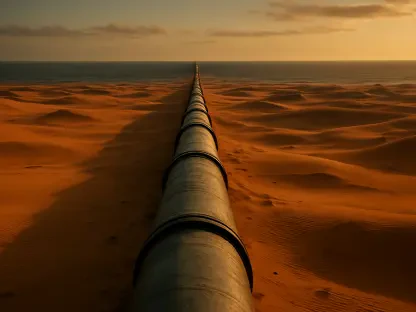
The deployment of such massive infrastructure in remote locations necessitates one of the most complex logistical operations in the history of Western Australian industry. Transporting fifty-one individual turbine blades, each nearly ninety meters long, over a distance of three hundred kilometers from Port Hedland to the Nullagine site required meticulous planning and specialized heavy-lift equipment. The sheer length of these components created significant obstacles, requiring road modifications and precise coordination with local authorities to navigate the winding terrain and narrow transport corridors of the outback. This massive oversized transport operation highlights that the transition to renewable energy involves significant physical and logistical hurdles before a single kilowatt of power is ever generated. Engineering teams had to design custom transport rigs capable of articulating around tight corners while maintaining the structural integrity of the composite blades. These logistical feats demonstrate that the expansion of the green grid is as much a triumph of supply chain management and transport engineering as it is a success of electrical design and environmental science.
With an initial generation capacity of one hundred thirty-three megawatts, the project currently produces enough electricity to power the equivalent of one hundred twenty thousand homes, yet its primary focus remains the industrial load of the iron ore sector. The strategic roadmap for the Pilbara Green Grid involves scaling wind capacity to nine hundred megawatts by 2030, a goal that necessitates a continuous cycle of construction and commissioning over the next few years. This scaling process is vital because the total electrification of mining—ranging from electric excavators to hydrogen-fueled smelting processes—will require a massive increase in total energy throughput. By establishing a successful blueprint at Nullagine, the industry has proven that large-scale wind assets can be reliably integrated into the harshest environments on the planet. The environmental adaptation of these systems ensures that the equipment can handle the fine iron ore dust and high ambient temperatures characteristic of the region. This durability is essential for long-term project viability, ensuring that the capital investment yields dividends in the form of low-cost, reliable, and emission-free energy for decades.
Strategic Pathways for Sustainable Industrial Energy
The successful implementation of the wind project established a clear precedent for how heavy industry navigated the complex transition toward a carbon-neutral footprint. Stakeholders recognized that the move away from fossil fuels required a departure from traditional energy procurement strategies, favoring instead the ownership of integrated renewable assets. This transition proved that the reliability of a green grid was fundamentally tied to the diversity of its energy inputs, where wind power complemented solar cycles to provide a near-continuous supply. Moving forward, the industry prioritized the development of regional microgrids that could share excess capacity, thereby increasing the overall resilience of the Pilbara’s industrial ecosystem. Decision-makers also identified the critical need for localizing the maintenance and repair of specialized turbine components to minimize downtime caused by global supply chain disruptions. By investing in regional technical training programs, the mining sector ensured that the workforce possessed the skills necessary to manage complex electrical systems, marking a significant shift in the operational paradigm of iron ore extraction.
The evolution of the green grid demonstrated that the primary barriers to decarbonization were solved through a combination of extreme-scale engineering and precise logistical execution. Industrial leaders discovered that the integration of wind power served as a catalyst for broader technological adoption, such as the deployment of hydrogen electrolysis plants powered by surplus nighttime energy. This synergy allowed for the creation of new value chains, transforming the mining region from a simple commodity exporter into a hub for sustainable industrial innovation. To replicate this success, other high-energy sectors analyzed the data from the Nullagine project to optimize their own renewable portfolios, focusing on site-specific environmental modeling and early-stage infrastructure investment. The project ultimately showed that the transition to sustainable energy was not merely a replacement of fuel sources but a fundamental redesign of industrial operations. By embracing these massive wind assets, the sector successfully de-risked its energy future and established a repeatable model for large-scale decarbonization that other global mining jurisdictions began to adopt.