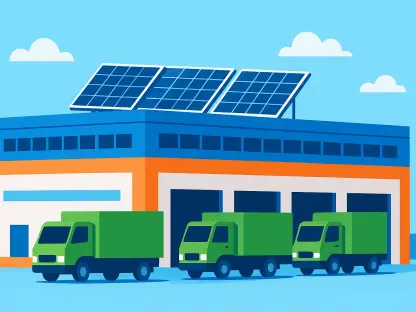
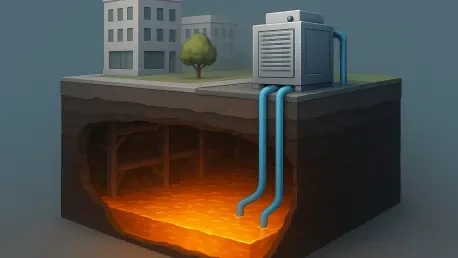
The transition from extracting carbon-heavy materials to harvesting geothermal warmth represents a significant environmental shift for communities built upon the foundations of the Industrial Revolution. In the current landscape of 2026, this transformation is visible across the northern reaches of
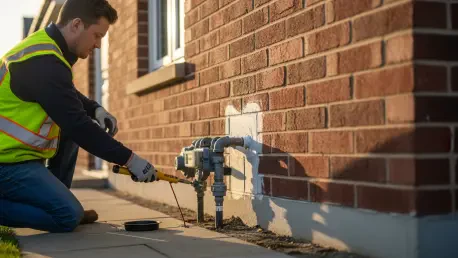
Transforming a suburban residence into a fossil-fuel-free sanctuary requires more than just swapping out a few appliances; it necessitates a comprehensive structural and logistical overhaul of the entire energy profile of the property. While the motivation often stems from a desire to reduce carbon

The mismatch between low solar generation and high heating demand during the winter months represents a critical obstacle for buildings attempting to transition away from gas. While suburban homes can often accommodate massive solar arrays and large-scale battery storage to offset seasonal

While millions of users interact with digital interfaces daily, the actual environmental footprint of these operations is anchored in a massive physical infrastructure of copper, silicon, and billions of gallons of cooling water. As of 2026, the industrial scale of artificial intelligence has moved
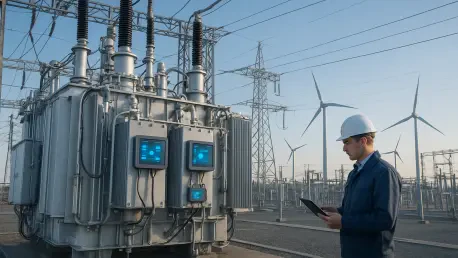
The global transition toward a decentralized and renewable-heavy energy model is forcing national grids to evolve beyond the traditional limits of silicon-based architecture into the sensitive world of quantum mechanics. As of 2026, the integration of quantum systems into the electrical grid has

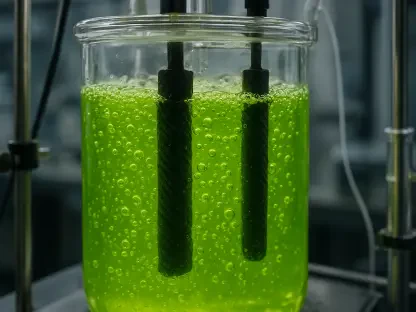
The integration of high-salt environments into the final stage of algal cultivation has demonstrated a 77 percent increase in the lipids required for sustainable biofuel production. This breakthrough, emerging from the dedicated research of a student named Rory Hu, challenges long-standing