
Tesla’s 2016 acquisition of SolarCity introduced a disruptive force that forced traditional roofing manufacturers to modernize their stagnant product lines and embrace renewable energy integration. The vision of an integrated glass tile roof seemed like a pipe dream for many skeptical contractors when it was first unveiled. However, over the past decade, this ambitious venture fundamentally altered the market landscape by proving that a roof could be more than just a passive shield against the elements. While the specialized tiles eventually disappeared from the primary product lineup due to the complexities of high-volume manufacturing and installation logistics, the ripple effects remain visible across the residential construction sector. This wasn’t merely a product launch; it was a conceptual shift that forced every major player to reconsider their long-term strategy in a world increasingly focused on sustainability. By bridging the gap between high technology and traditional craftsmanship, the project successfully transitioned the industry into a new era of functional design and energy independence.
The Shift: Elevating Roofing to a Luxury Technology
Historically, homeowners viewed a new roof as a financial burden, often delaying the project until a significant failure occurred. This mindset kept the industry locked in a cycle of low-margin competition where contractors fought over the lowest price point to secure basic shingle installations. When the integrated solar vision entered the fray, it introduced a premium alternative that appealed to a different demographic. By branding the roof as a sophisticated technological asset, the market moved toward a luxury model where aesthetic value and energy performance justified a higher price tag. This shift allowed savvy contractors to pivot their business models, targeting high-net-worth individuals who were willing to invest in the latest home automation and green energy solutions. The narrative changed from emergency repairs to high-end home improvement, effectively raising the ceiling for what a residential roofing company could achieve in terms of revenue and brand prestige.
The transition to a tech-focused sales approach also required a fundamental change in how roofing professionals communicated with their clients. Instead of discussing shingle warranties and leak prevention, sales teams began talking about kilovolt-hours and smart home integration. This evolution empowered the trade to compete with other high-end home renovations, such as luxury kitchens or professional landscaping. By positioning the roof as a power plant that doubled as a structural necessity, the industry successfully decoupled itself from the commodity market. Homeowners began to see their roofing projects as an extension of their lifestyle choices, much like their choice of vehicle or home electronics. This new perception of value has persisted even as specific product lines evolved, ensuring that premium roofing remains a viable and profitable sector for contractors who can provide sophisticated, integrated solutions that go far beyond the standard expectations of the previous generation.
Catalyzing Competition: Sparking Innovation Among Industry Giants
The entry of a high-tech outsider into the roofing space served as a massive wake-up call for legacy manufacturers who had dominated the market for over a century. Companies that had focused primarily on asphalt shingles for generations suddenly found themselves in a race to prove their own innovative capabilities. This pressure accelerated research and development cycles across the board, as established brands sought to defend their market share against the perceived threat of total disruption. As a result, the industry witnessed a surge in new product releases that combined traditional roofing expertise with modern photovoltaic technology. These legacy players held a distinct advantage in their deep understanding of weatherproofing and long-term material durability, which allowed them to iterate on the initial solar concept more effectively. By watching the struggles of a tech-first company, traditional manufacturers were able to identify the critical pain points in installation and address them in their own designs.
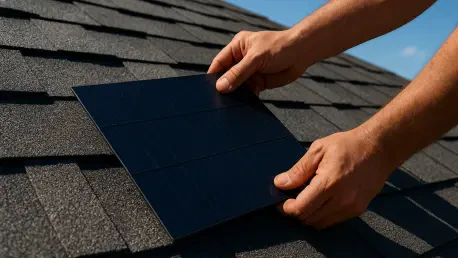
Innovation eventually led to the development of integrated solar shingles that were specifically designed to be “nail-gunnable,” fitting seamlessly into the existing workflows of roofing crews. Unlike the complex and time-consuming installation requirements of glass tiles, these newer products allowed standard roofing contractors to offer solar solutions without undergoing months of specialized training. This practical evolution was a direct response to the market demand created by the initial buzz surrounding high-tech roofs. By refining the concept into a more installer-friendly format, the industry giants successfully bridged the gap between futuristic vision and operational reality. This competitive environment ensured that even after the initial disruptive force moved on to other priorities, the momentum toward solar integration remained strong. Today, the availability of diverse, reliable, and easy-to-install solar roofing products is a testament to the “space race” that began when the status quo was first challenged by the promise of energy-producing tiles.
Aesthetic Integration: Solving the Engineering and Design Problem
For a long time, the primary barrier to residential solar adoption was the perceived ugliness of traditional bolt-on panels. Many homeowners, particularly those in historic or high-end neighborhoods, were hesitant to install bulky racks and shiny blue cells that clashed with the architectural integrity of their homes. The introduction of glass-tile engineering addressed this aesthetic hurdle head-on by creating a uniform, edge-to-edge appearance that looked like high-end slate or terracotta. By hiding the wiring and mounting hardware beneath the tiles, the design achieved a level of visual cohesion that was previously impossible. This innovation proved that solar power did not have to be an eyesore; it could actually enhance the curb appeal of a property. The success of this design philosophy forced the rest of the industry to prioritize aesthetics in their own solar offerings. Building-integrated photovoltaics (BIPV) became the new gold standard, shifting the focus from raw energy output to a balance of performance and beauty.
Solving the design problem also opened up new conversations at the kitchen table for the average homeowner who may have been on the fence about green energy. When solar became a design choice rather than just a utility upgrade, it tapped into the emotional side of homeownership. People take pride in the appearance of their homes, and being able to generate clean energy without sacrificing style was a compelling value proposition. This shift in design priority also influenced the engineering side of the business, leading to advancements in thin-film technology and tempered glass durability. Manufacturers began to explore different textures and colors to match various architectural styles, ensuring that solar roofing could be adapted to a wide range of regional aesthetics. This legacy of beautiful engineering continues to drive the market today, as homeowners now expect their energy solutions to be as visually appealing as they are functional. The industry has moved past the era of clunky add-ons, embracing a future where every roof has the potential to be a masterpiece.
Trade Synergy: Aligning Specialized Roles for Efficiency
A significant obstacle in the early days of solar roofing was the deep-seated rift between traditional roofing contractors and solar installers. These two trades often operated in isolation, leading to frequent disputes over roof leaks, damaged shingles, and voided warranties. Solar companies would often drill holes into a brand-new roof to mount racks, while roofers would refuse to touch any part of the house that had electrical equipment attached to it. The integrated model changed this dynamic by necessitating a unified approach to installation. Because the roof and the power system were one and the same, the project required a high degree of coordination between roofing crews and electricians. This forced alignment led to the creation of a more streamlined business model where roofing companies began to bring electrical expertise in-house or form tight-knit partnerships with specialized firms. By taking responsibility for both the structural and the electrical components, contractors were able to offer a more reliable and cohesive service.
This newly found synergy not only reduced installation friction but also allowed roofing contractors to capture a larger share of the project revenue. Previously, a significant portion of a homeowner’s budget for energy upgrades would go to third-party solar installers, leaving the roofer with only the basic labor of shingle replacement. By embracing the integrated model, roofing companies transformed themselves into comprehensive energy solution providers. This shift enabled them to oversee the entire project lifecycle, from initial energy audits to final electrical inspections, ensuring a higher level of quality control and customer satisfaction. The collaboration between these once-disparate trades has set a new standard for the industry, emphasizing the importance of cross-functional expertise in modern construction. Even as some specific product lines shifted, the organizational structures and partnerships built during this era remain in place, providing a solid foundation for the future of residential infrastructure that integrates power, protection, and smart home technology.
Future Outlook: Redefining the Value of a Modern Roof
Beyond the physical components of the roof, the most lasting impact has been the fundamental recalibration of the financial conversation surrounding home improvement. Homeowners now increasingly view their roof not as a sunk cost but as a long-term investment that can offer a tangible return. The concept of a roof that pays for itself over time through energy savings has become a mainstream idea, influencing consumer behavior even when they opt for more traditional materials. This increased awareness of return on investment has made it easier for contractors to sell high-performance materials, such as metal roofing or advanced heat-reflective coatings, which offer better longevity and efficiency. The focus has shifted from the initial installation price to the total cost of ownership over twenty or thirty years. This maturity in the market reflects a broader understanding of home energy dynamics, where the roof plays a central role in thermal regulation and power generation, paving the way for more sustainable building practices.
Looking ahead, the industry must continue to focus on the integration of battery storage and smart grid connectivity to fully realize the potential of these energy-producing structures. Homeowners are no longer satisfied with just generating power; they want the ability to manage and store it efficiently to ensure resilience during grid outages. Contractors should consider expanding their service offerings to include maintenance for these complex systems, ensuring that the long-term energy goals of the client are met. The legacy of the solar roof experiment proved that while a single product might face hurdles, the direction of the industry is clear: the roof of the future is an active participant in the home’s ecosystem. Stakeholders who prioritize training their workforce in these emerging technologies will be best positioned to lead the market. As the industry moves forward, the focus will likely remain on developing even more durable and cost-effective materials that can withstand extreme weather while providing the clean energy.