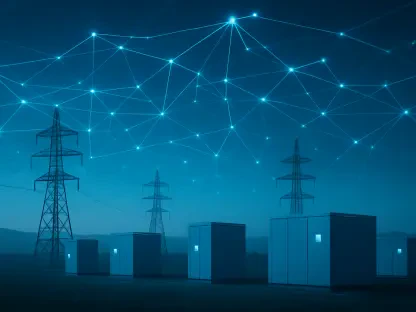
The global transition toward a decentralized and renewable-heavy energy model is forcing national grids to evolve beyond the traditional limits of silicon-based architecture into the sensitive world of quantum mechanics. As of 2026, the integration of quantum systems into the electrical grid has

Pennsylvania is currently transforming into a primary battleground where the massive energy demands of artificial intelligence and cloud computing collide directly with the necessity for a stable and affordable electrical grid. Governor Josh Shapiro recently issued an executive order that

Private industry partners currently operate 65 hydropower plants at existing federal sites, contributing an additional 2,500 megawatts of clean capacity to the national electric grid. This collaboration underscores the massive scope of the U.S. Army Corps of Engineers (USACE) hydropower program,

By upgrading to a 16-watt LED standard, the university is achieving a 65% decrease in electricity use per fixture compared to the 46-watt draw of traditional fluorescent systems. This massive transition at Southern Illinois University Carbondale represents a pivotal moment in the institution’s
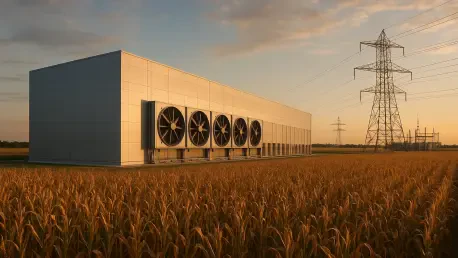
The relentless roar of industrial cooling fans has replaced the quiet rustle of cornfields across the American heartland as a massive digital transformation sweeps the nation. As of 2026, the industry serves as the essential backbone for artificial intelligence, cloud computing, and a global

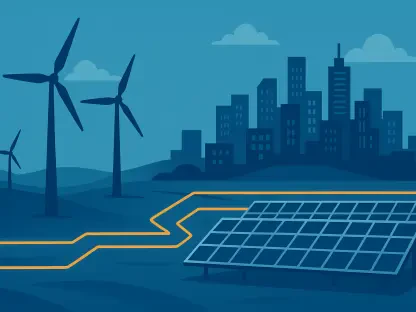
The massive expansion of renewable energy capacity requires more than just larger turbines; it demands a fundamental redesign of how power is captured and stored within the grid's existing architecture. This shift is characterized by the move toward integrated 1.2GW-capable platforms that bridge