
The global transition to sustainable power has reached a critical tipping point where the ability to store electricity is becoming just as valuable as the capacity to generate it. India’s green economy is currently undergoing a structural metamorphosis, moving from a narrow focus on individual mobility toward a comprehensive architecture for renewable energy. This evolution reflects a realization that the success of zero-emission transportation depends entirely on the stability of the grid and the availability of massive lithium-ion reserves.
As the energy landscape shifts, the lines between automotive manufacturing and power distribution are becoming increasingly blurred. Vertical integration is no longer a luxury for major players but a fundamental requirement for maintaining industrial relevance in an era of supply chain volatility. By developing internal battery production capabilities, the industry is moving closer to a closed-loop system where energy is both captured and utilized within a singular domestic ecosystem.
The Transformation of India’s E-Mobility and Energy Storage Landscape
The expansion of the Tamil Nadu Gigafactory represents a pivotal moment for domestic production, as it seeks to drastically reduce the nation’s reliance on international supply chains for critical battery components. By centralizing the manufacturing of cells, the local industry can better insulate itself from geopolitical shocks that often disrupt the procurement of raw minerals and finished battery modules. This hub is not just a factory but a foundation for a broader renewable energy strategy that encompasses everything from scooters to national power banks.
Governmental support through production-linked incentive schemes has provided the necessary catalyst for this industrial leap. These regulatory measures reward companies that prioritize indigenous technology and local value addition, fostering an environment where home-grown innovation can compete with global conglomerates. The shift from importing technology to creating proprietary energy solutions is fundamental to establishing India as a leader in the global green economy.
The Strategic Pivot Toward a Digital-First Energy Ecosystem
A shift in corporate communication often mirrors a fundamental change in business philosophy and fiscal maturity. Moving away from the physical spectacle of on-ground launch events, the current preference for digital-first rollouts signals a transition toward corporate maturity and engineering transparency. This approach allows the focus to remain on technical milestones and capital efficiency, prioritizing the hard data of manufacturing yields over the theatrical nature of traditional marketing.
This evolution is designed to meet the sophisticated demands of both institutional investors and corporate partners who require detailed performance metrics. By streamlining communication, the firm is demonstrating a commitment to fiscal discipline that is necessary for the next phase of industrial expansion. The move toward digital updates also reflects a broader trend where software and data management become just as important as the physical hardware of the batteries themselves.
Emerging Technologies and the Rise of Utility-Scale Storage
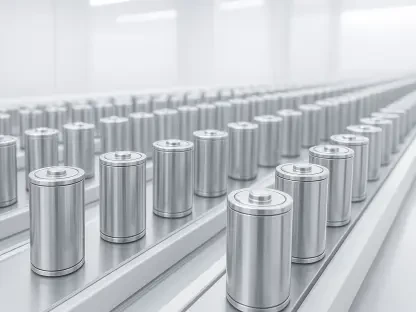
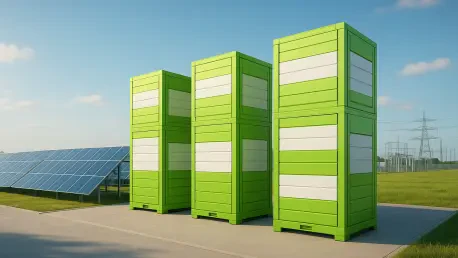
The introduction of the Mahashakti platform marks a significant entry into the world of utility-scale storage, targeting the complex needs of the national power grid. This Battery Energy Storage System utilizes 4680 cell technology to provide high energy density while maintaining a cost-efficient profile for large-scale applications. By focusing on Lithium Iron Phosphate chemistry, the platform optimizes for safety and longevity, which are the primary requirements for stationary storage units designed to last for decades.
Proprietary cell innovation is the engine driving this move into the infrastructure segment of the market. In-house development of the Shakti and Mahashakti platforms allows for a level of customization that off-the-shelf components simply cannot offer. As renewable energy integration accelerates, the demand for such industrial-grade storage solutions is expected to grow, providing a critical buffer for the inherent variability of solar and wind power generation.
Market Trajectory and Performance Indicators
Registration data indicates a robust market presence, with the company achieving a 97% quarter-on-quarter growth rate in its core mobility division. This rapid expansion provides the necessary financial foundation to support the high capital expenditure required for energy storage projects. The dominance in the electric two-wheeler market serves as a proof of concept for the underlying battery technology, building consumer trust that can be leveraged when entering the utility sector.
The partnership with Axis Energy serves as a strategic roadmap, outlining a potential deployment of 20 GWh of storage by 2032. This long-term agreement highlights the massive revenue potential inherent in the energy storage forecast as the nation shifts toward a cleaner power mix. Initial annual deployments starting at 5 GWh indicate that the transition from a mobility-focused firm to an energy titan is already well underway in terms of contractual planning.
Navigating the Complexities of Industrial Scaling
Scaling the production of proprietary battery cells involves overcoming significant engineering hurdles and manufacturing risks. Maintaining high yield and consistency in a high-volume environment is a challenge that has historically slowed down even the most advanced global manufacturers. The ability to stabilize these processes at the Tamil Nadu facility will be the determining factor in whether the company can meet the aggressive delivery schedules required for grid-scale storage.
Contractual uncertainties also remain a factor, as the transition from non-binding agreements to firm commercial orders requires a demonstrated track record of reliability. Securing the necessary raw materials to insulate operations from mineral price spikes is another critical hurdle. Building a resilient supply chain involves not just local assembly but strategic sourcing of lithium and other rare earths to ensure that the production lines remain operational regardless of global market fluctuations.
The Regulatory Framework and Compliance Standards
Standardizing battery technology is essential for ensuring safety and interoperability within the national grid. Navigating the maze of global and domestic standards for high-capacity cells requires a dedicated focus on compliance and rigorous testing protocols. As the industry moves toward more advanced chemistries, the regulatory framework must evolve to keep pace with innovations in thermal management and energy density.
The influence of governmental incentives continues to shape the competitive landscape by favoring vertically integrated manufacturers. Production-linked incentives are specifically designed to encourage the type of high-tech manufacturing that is now being pioneered in the southern industrial corridors. Compliance in infrastructure projects involves meeting stringent grid-connection codes, which demand a level of sophistication far beyond what is required for retail consumer electronics.
The Future of Ola Energy: Beyond the Electric Scooter
The transition to a platform-centric business model suggests that selling energy management systems could eventually eclipse the revenue generated by vehicle sales. This broader addressable market includes everything from commercial energy backup to residential storage and national grid stabilization. By positioning the battery as a universal energy module, the firm is no longer limited to the automotive sector but becomes a primary player in the entire power value chain.
Technological disruptors such as solid-state batteries and advanced AI-driven grid management possess the potential to further reshape the industry. Incorporating artificial intelligence into energy storage allows for predictive maintenance and real-time balancing of supply and demand, maximizing the efficiency of every kilowatt-hour stored. The feasibility of exporting these indigenous energy solutions to emerging international markets represents the next logical phase for a company with global ambitions.
Final Assessment: Defining the Next Chapter of Integrated Energy
The transformation from a dedicated vehicle manufacturer to a central figure in energy infrastructure was documented through several key strategic shifts. The analysis showed that the move into the utility storage market effectively de-risked the corporate structure by diversifying revenue away from the volatile consumer retail market. This pivot demonstrated how vertical integration and proprietary cell technology could be successfully synthesized into a scalable industrial platform.
Stakeholders observed that the successful commercialization of the Mahashakti system provided a blueprint for future energy independence. The transition moved the conversation beyond the limitations of mobility and toward the total electrification of the economy. By focusing on the high-margin sector of grid stability, the firm established itself as a foundational element of the nation’s power architecture. This final chapter proved that the integration of manufacturing and energy management was the most viable path toward a sustainable and profitable green future.