
A heavy-duty truck pulling a forty-ton trailer through the European countryside used to be synonymous with the roar of a diesel engine, but that sound is rapidly being replaced by the hum of high-efficiency electric motors. Mercedes-Benz Trucks is currently transforming its own production logistics into a living laboratory, deploying a fleet of eighty battery-electric vehicles to prove that the heavy-duty sector can operate successfully without fossil fuels. This initiative covers everything from short-range shuttle runs to high-intensity long-haul routes, providing a massive dataset that confirms the feasibility of large-scale electrification in the transport industry. By internalizing this transition, the manufacturer has managed to electrify nearly a third of all routes leading to its Wörth am Rhein assembly plant as of early 2026. This shift represents a practical implementation of sustainable technology rather than a mere theoretical exercise, demonstrating how modern industrial networks can adapt to new energy paradigms while maintaining high standards of efficiency and operational readiness for the entire market.
Validating Performance Through Real-World Logistics Data
The data gathered from over six million kilometers of operational use revealed that electric trucks were not just comparable to diesel models but often superior in specific efficiency metrics. Engineers observed that these heavy-duty units operated on an energy equivalent of roughly ten to twelve liters of diesel per one hundred kilometers, representing a massive leap in thermal and kinetic efficiency. This performance was achieved across a variety of weather conditions and load weights, proving that battery technology had reached a level of maturity capable of handling the rigors of daily commercial use. Furthermore, the massive reduction in carbon emissions per vehicle provided a clear environmental justification for the transition, as each electric unit removed a significant portion of the traditional fleet’s greenhouse gas footprint. The reliability of the battery systems during these tests established a new baseline for what fleet operators could expect from modern electric propulsion, effectively silencing many of the long-standing doubts regarding the longevity of such high-capacity power systems.
One of the most surprising findings from the extended testing period involved how electric trucks interacted with challenging topography and heavy cargo loads. In mountainous regions where traditional diesel trucks often struggled with brake wear and fuel consumption during steep descents, the electric fleet utilized advanced energy recuperation systems to recharge their batteries. On alpine passes and hilly routes, these forty-two-ton vehicles recovered a substantial amount of energy that would otherwise have been wasted as heat, allowing them to complete difficult hauls with significantly lower total energy consumption than predicted. This capability transformed the perspective of logistics managers who previously viewed terrain as a major obstacle to electrification, instead highlighting it as an opportunity for energy harvesting. The seamless integration of these recuperation systems into the driving experience allowed operators to maintain high average speeds while simultaneously extending the range of the vehicle. This operational success paved the way for broader adoption in regions once considered unsuitable for early electric technology.
Strategic Integration: Charging Infrastructure and Operations
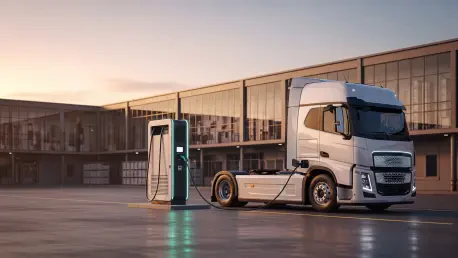
Success in the electric transition depended heavily on the implementation of a diversified charging strategy that catered to the specific needs of different logistics models. For high-frequency shuttle routes that moved parts between supplier warehouses and assembly lines, the use of “opportunity charging” during loading and unloading cycles proved to be an effective method for maintaining continuous uptime. By installing high-capacity chargers at docking bays, companies were able to eliminate the need for dedicated downtime, allowing electric units to replace their diesel predecessors on a one-to-one basis without disrupting production schedules. This approach addressed the range anxiety often cited by skeptics and demonstrated that carefully planned infrastructure could support nearly twenty-four-hour operations. The evolution of this depot-based charging model served as the first of three critical pillars, alongside semi-public and fully public charging hubs, that together formed a comprehensive ecosystem capable of supporting the entire heavy-duty transportation sector across the continent.
Moving beyond localized shuttle runs, the deployment of electric trucks on long-distance routes spanning six hundred kilometers daily showcased the growing viability of the public charging network. These extended hauls required a sophisticated blend of private depot charging and the strategic use of high-power public stations located along major transit corridors. The ability of these trucks to navigate hundreds of kilometers with consistent performance confirmed that the infrastructure was finally catching up to the capabilities of the hardware. This shift was also driven by a powerful economic incentive, as fleet operators utilized significant savings from waived road tolls and lower energy costs to offset the higher upfront capital investment of electric vehicles. For many logistics firms, the reduction in monthly operating expenses became a primary motivator, turning a sustainability initiative into a robust business strategy. The successful management of these longer routes provided the blueprint for a future where high-capacity charging stations would become as ubiquitous and reliable as the diesel pumps they were designed to replace.
Shaping the Future: Sustainable Freight Logistics
To ensure that electrification could reach every corner of the logistics industry, manufacturers began introducing specialized vehicle variants tailored to niche market requirements. The development of the Lowliner configuration was a critical step, as it allowed for high-volume cargo transport that remained compatible with standard trailer dimensions while maximizing the available space for battery storage. These engineering advancements meant that companies specializing in automotive parts, consumer goods, and other high-volume freight could transition to electric power without sacrificing payload capacity or operational flexibility. The expansion of the product lineup ensured that fleet managers had access to the right tools for diverse applications, from urban distribution to heavy industrial hauling. This versatility, combined with the ongoing refinement of battery chemistry and energy management software, signaled that the era of the one-size-fits-all diesel truck was ending. As more specialized electric units entered the market, the competitive landscape of the trucking industry shifted toward those who could effectively integrate these high-tech assets into their existing workflows.
The transition to battery-electric heavy-duty transport concluded its early pilot phases by establishing a clear path forward for the global logistics community. It became evident that the success of this shift relied not just on the vehicles themselves, but on a holistic approach that combined infrastructure development, economic incentives, and advanced energy management. Stakeholders recognized that the next logical steps involved the standardization of high-power charging protocols and the expansion of the electrical grid to support increased demand at industrial hubs. Forward-thinking companies prioritized the training of their workforce and the redesign of their logistics networks to fully capitalize on the unique advantages of electric propulsion, such as lower maintenance requirements and superior energy efficiency. The industry moved toward a model where data-driven route planning and strategic partnerships with energy providers were essential for maintaining a competitive edge. This collective effort transformed the logistical landscape, ensuring that the heavy-duty sector was prepared to meet the challenges of a low-carbon world while simultaneously improving the bottom line for transport operators.